Loading...
Dual Diagnosis Treatment in Alabama
46 facilities offering dual diagnosis treatment in Alabama
Integrated care that treats addiction and co-occurring mental health conditions together.
Dual Diagnosis Treatment Centers in Alabama
Showing 46 of 46

Bradford at Madison
Madison, AL
AlcoholCo-Occurring Disorders

A Reprieve for Women
Tuscaloosa, AL
Alcohol
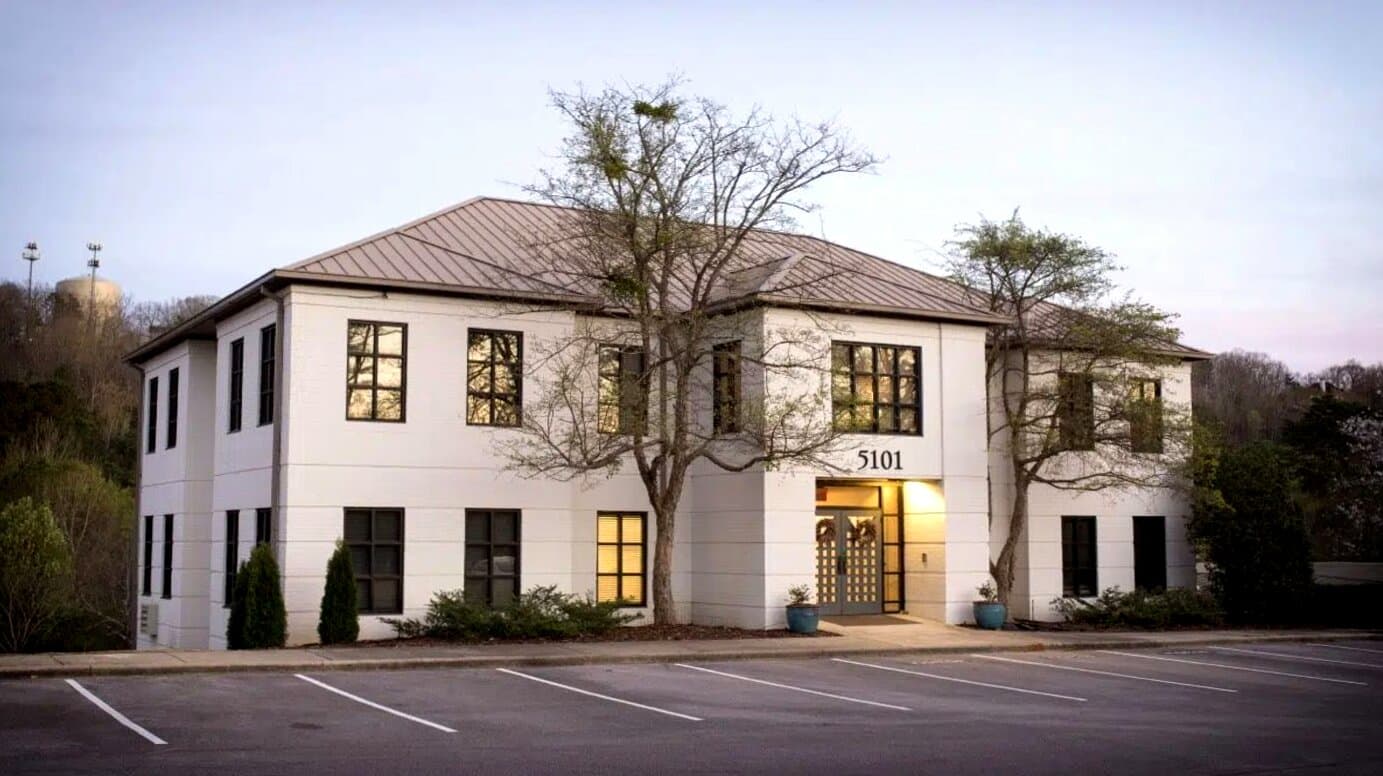
Alsana Birmingham PHP/IOP
Birmingham, AL
Co-Occurring DisordersEating Disorders

Ananta Emotional Rehab
del Lagar, AL
BurnoutChronic Pain Management
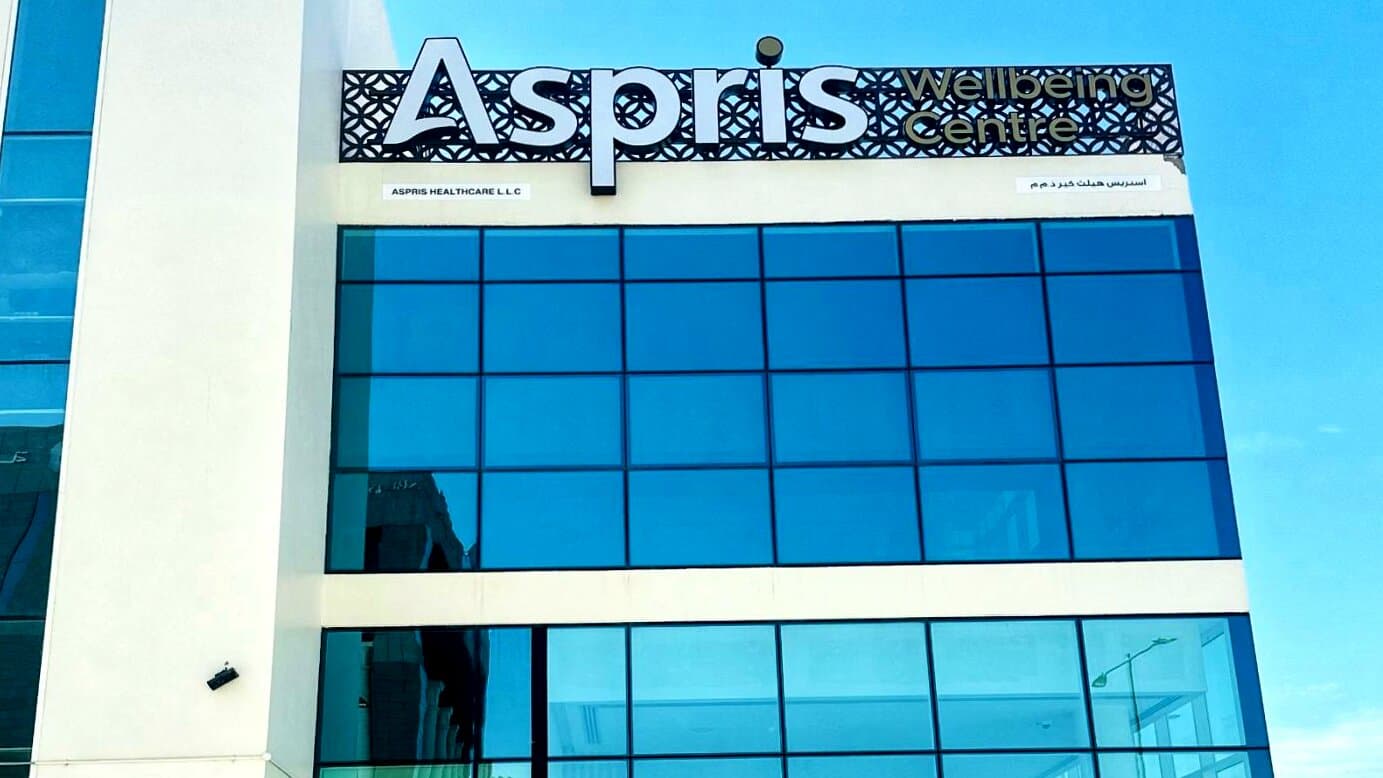
Aspris Abu Dhabi
Al Bateen, AL
AnxietyDepression
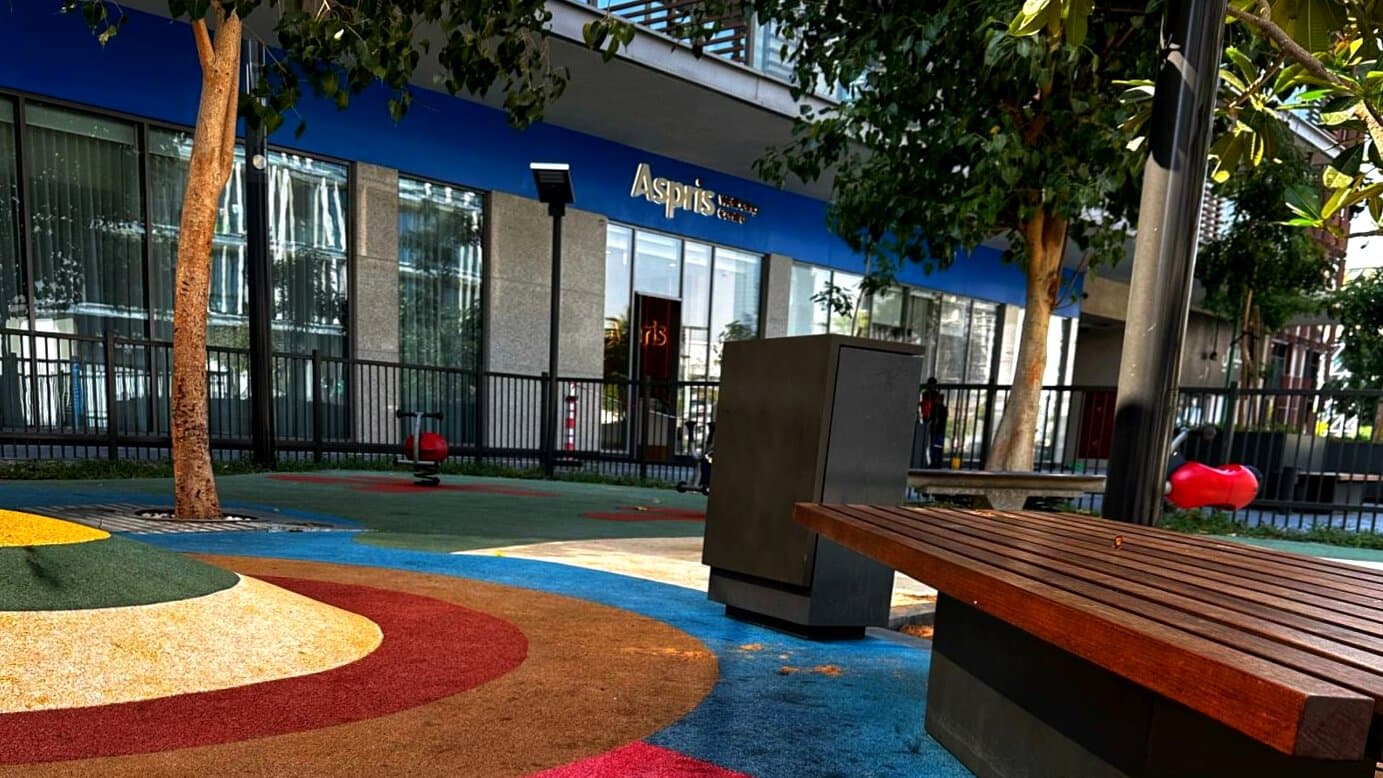
Aspris Dubai City Walk
Dubai Healthcare City, AL
AnxietyDepression
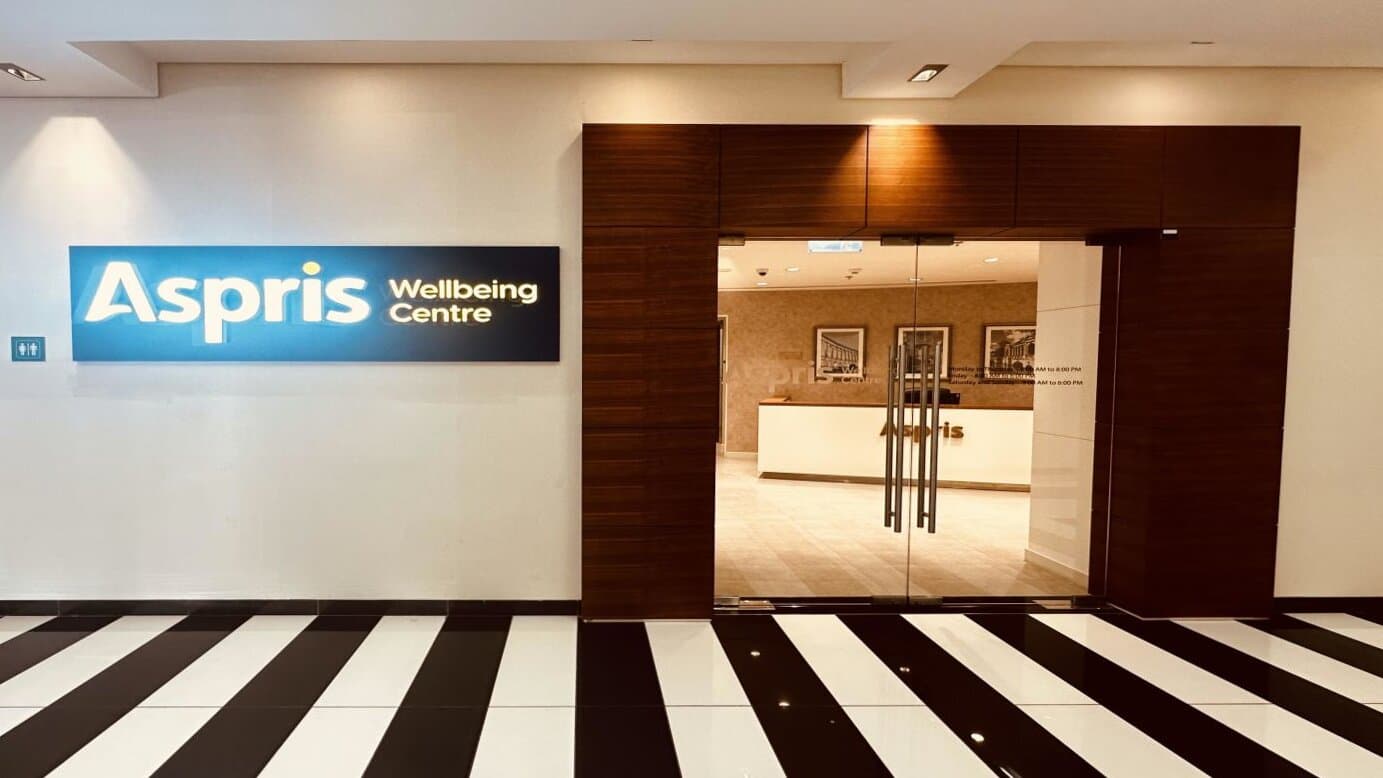
Aspris Dubai Healthcare City (DHCC)
Ground Floor, AL
AnxietyDepression
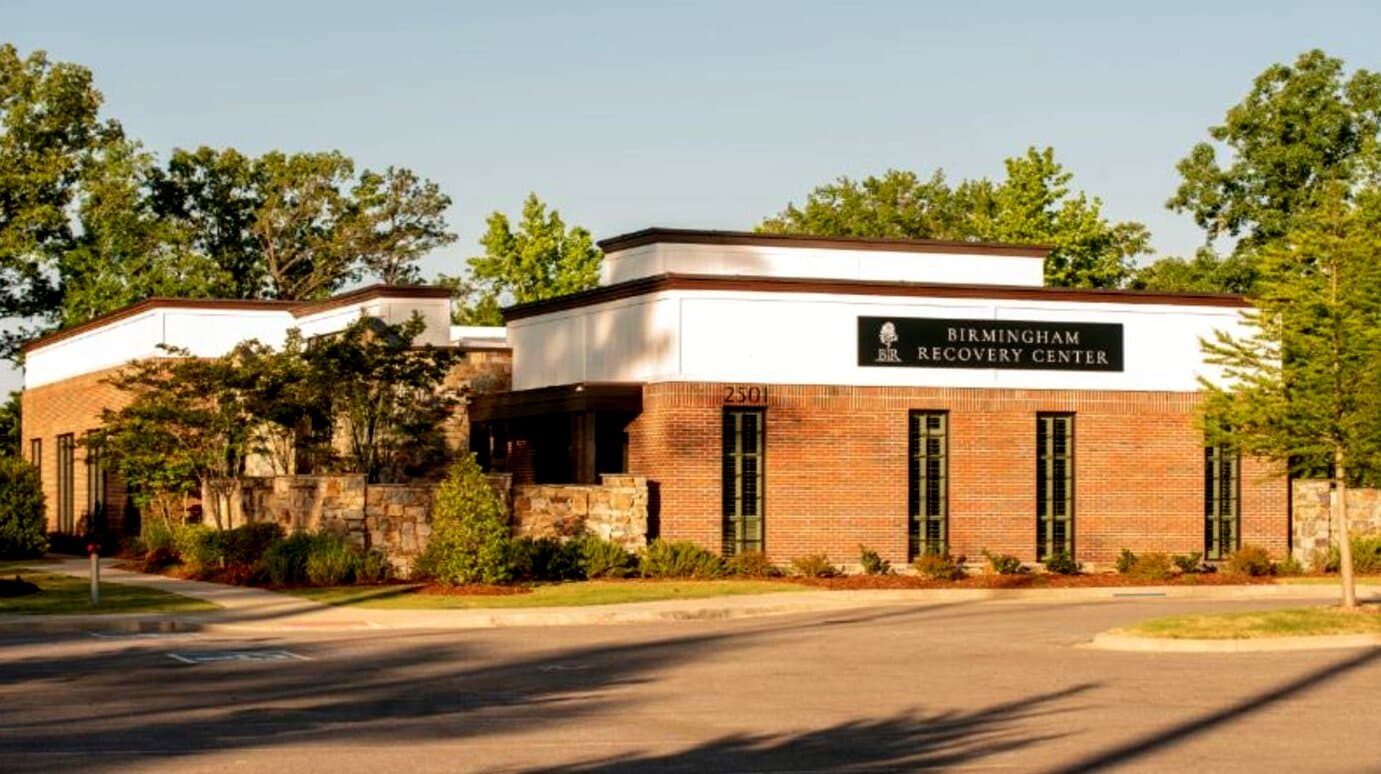
Birmingham Recovery Center
Birmingham, AL
AlcoholBenzodiazepines
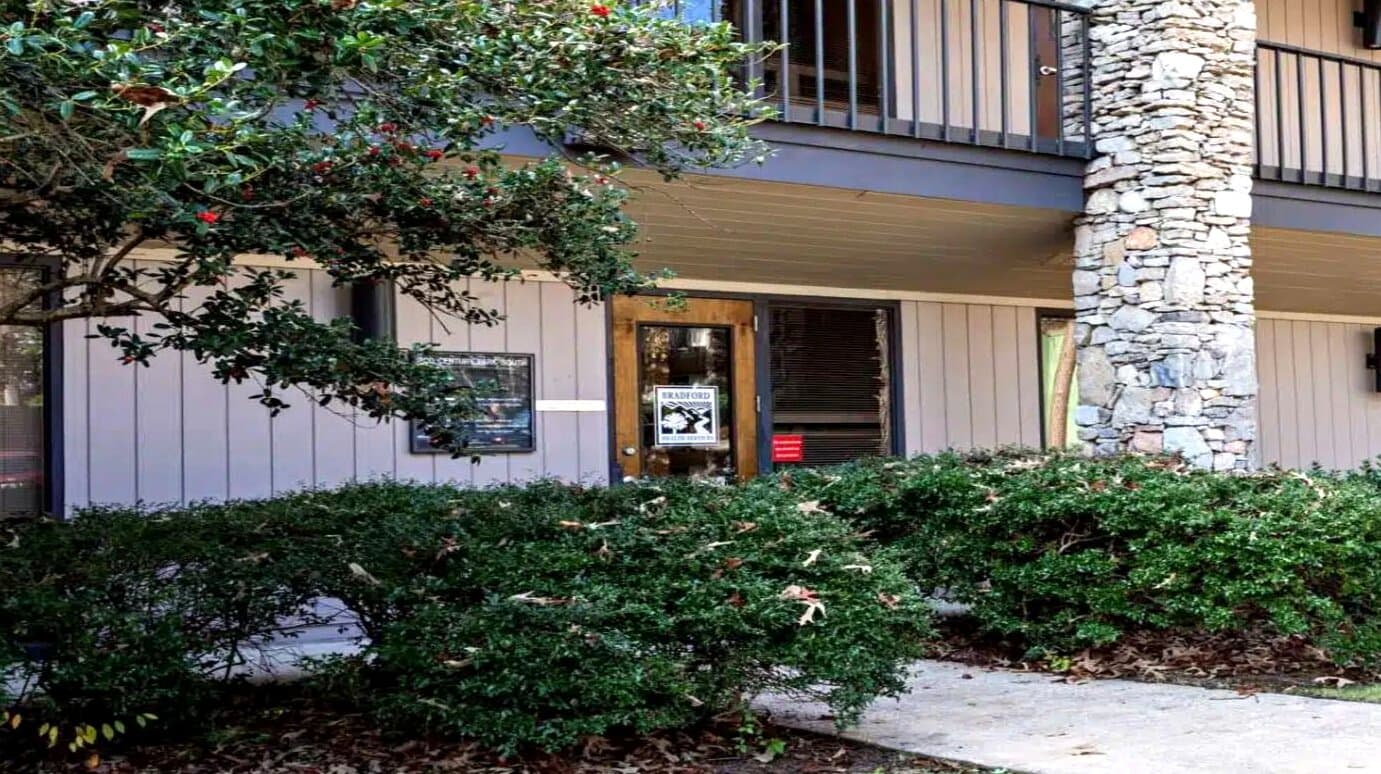
Bradford Health Birmingham Outpatient
Birmingham, AL
AlcoholCo-Occurring Disorders
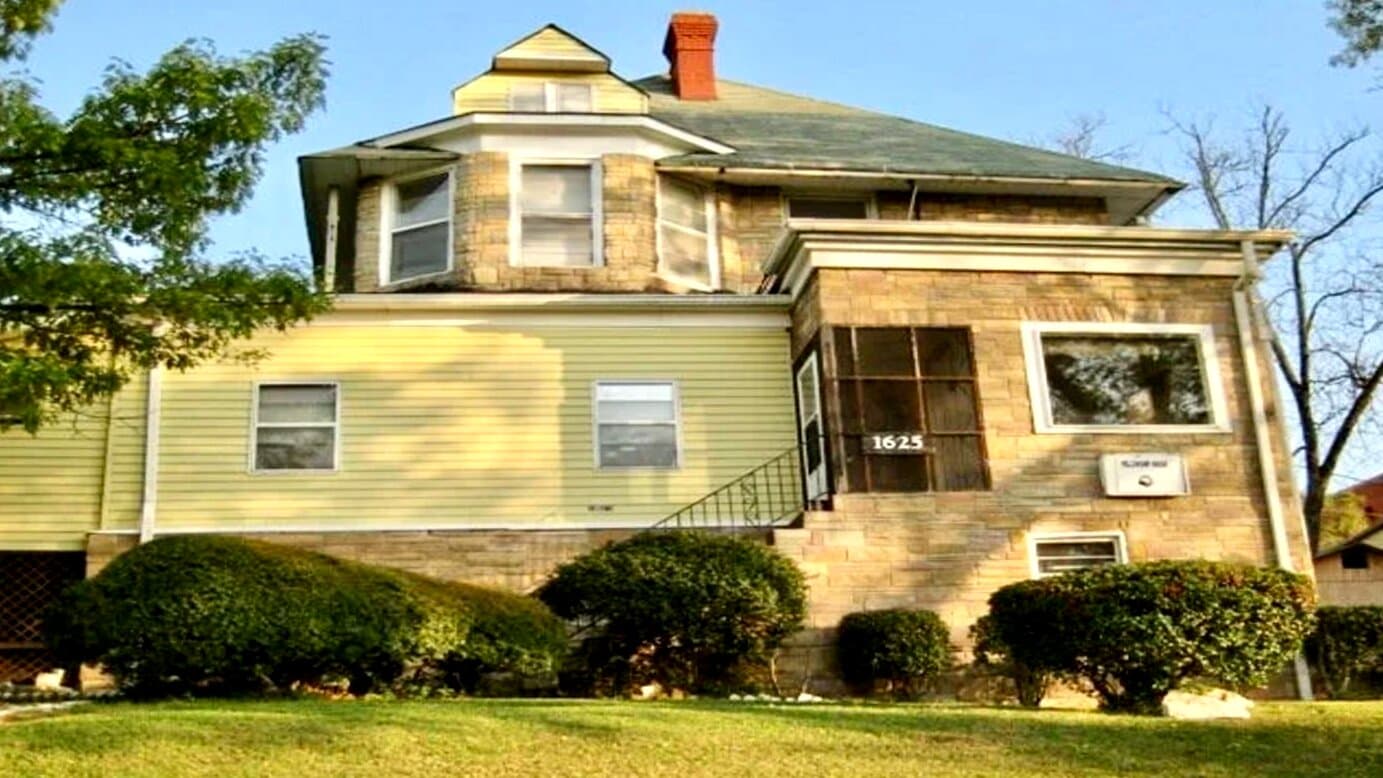
Fellowship House
Birmingham, AL
Clients With HIV or AIDSCo-Occurring Disorders
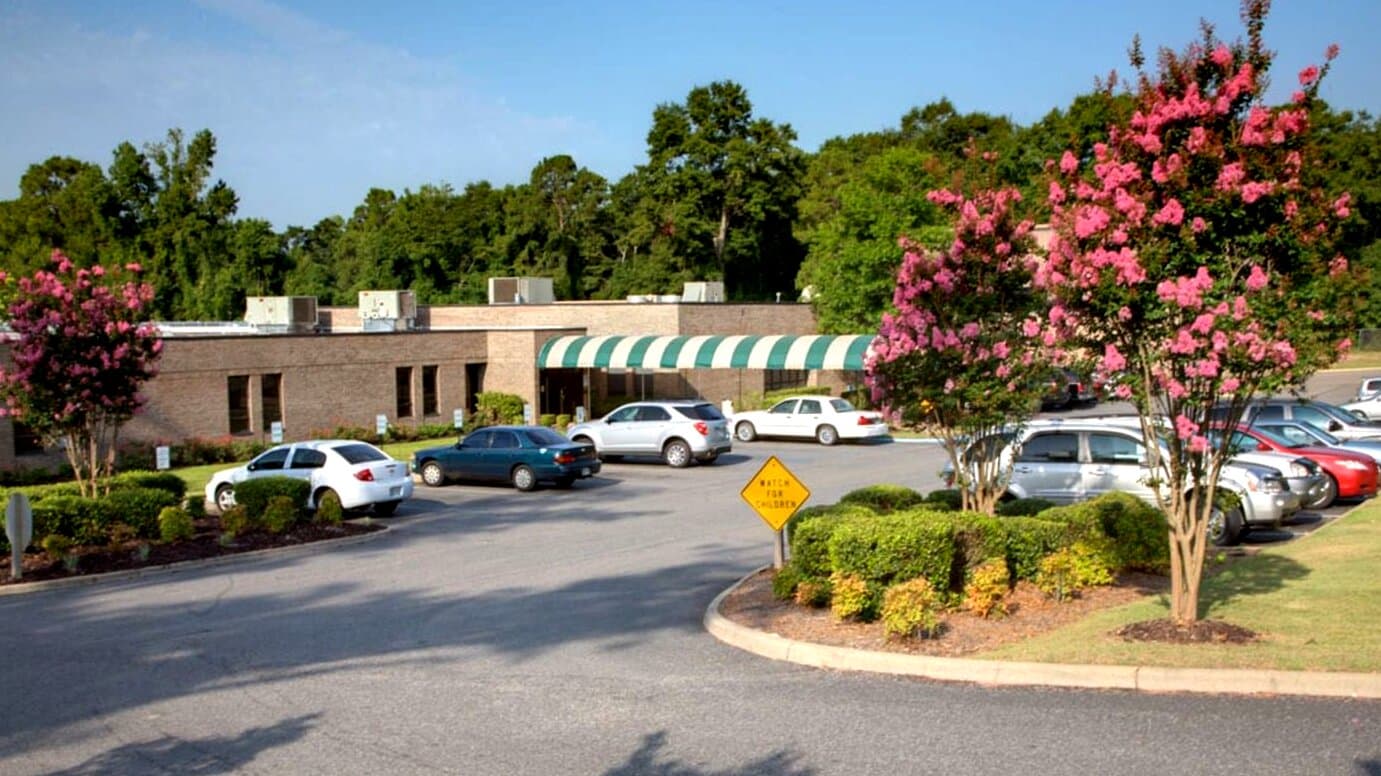
Laurel Oaks Behavioral Health Center
Dothan, AL
AdolescentsDepression

TRC Riyadh
Riyadh, AL
AnxietyDepression
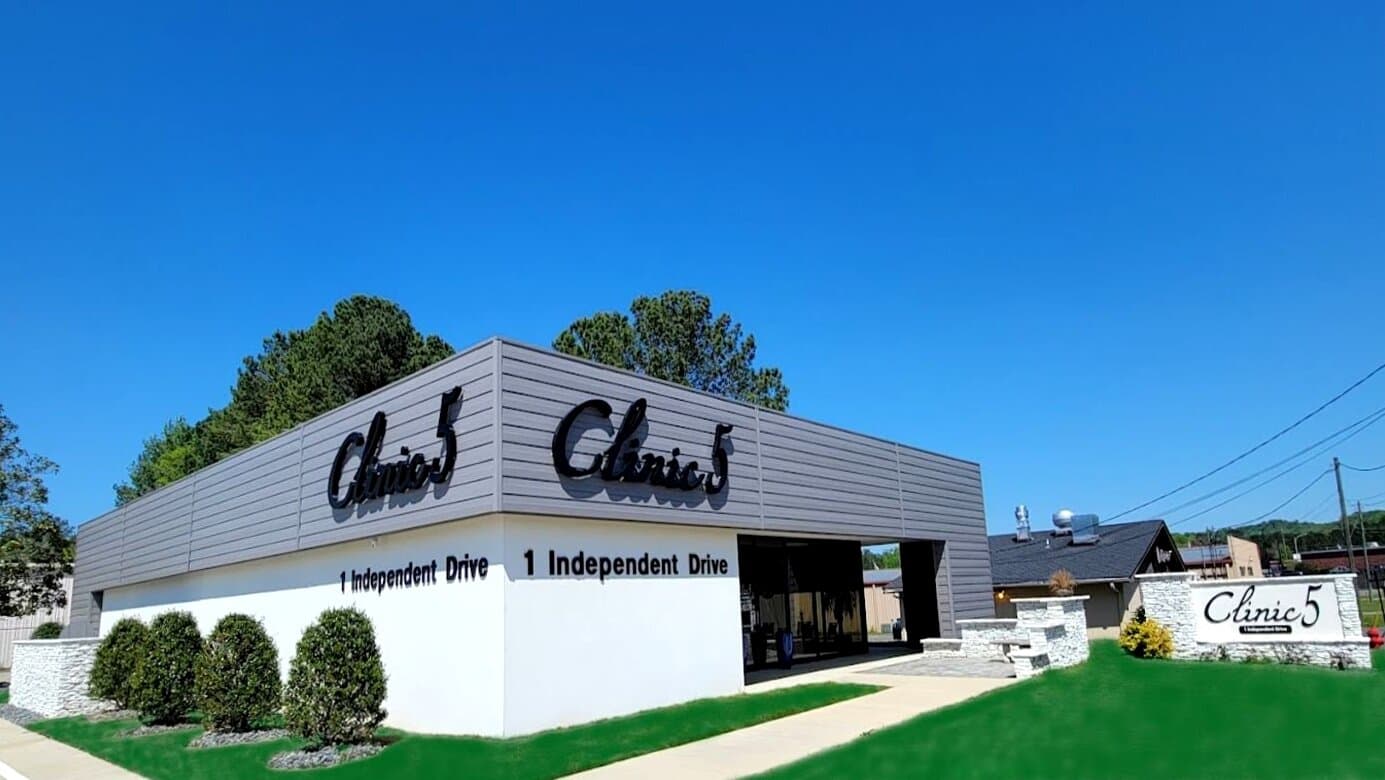
Clinic 5
Rainbow City, AL
Drug AddictionMedication-Assisted Treatment
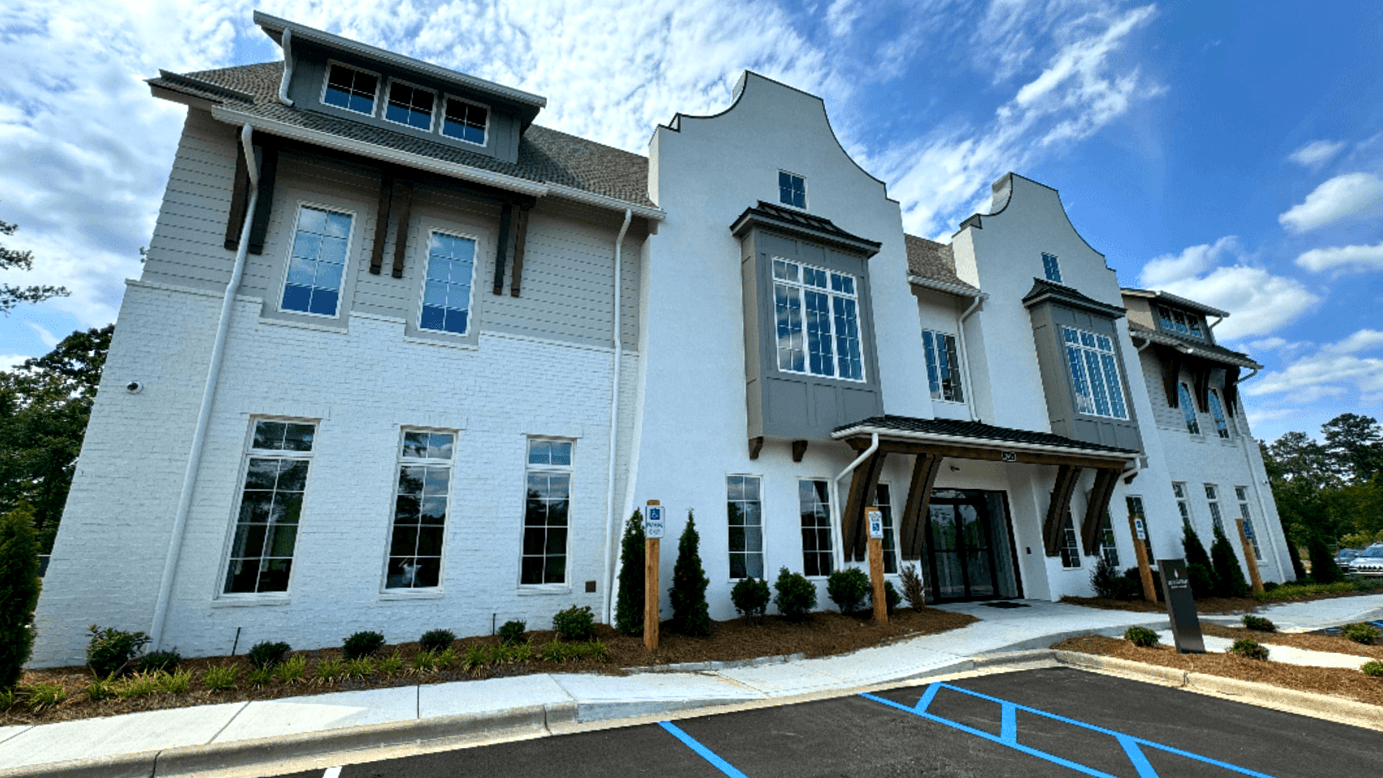
Longleaf Wellness Birmingham
Birmingham, AL
AnxietyDepression
Reset Clinics
, AL
AlcoholCo-Occurring Disorders

Teens Empowerment Awareness with Resolutions
Phenix City, AL
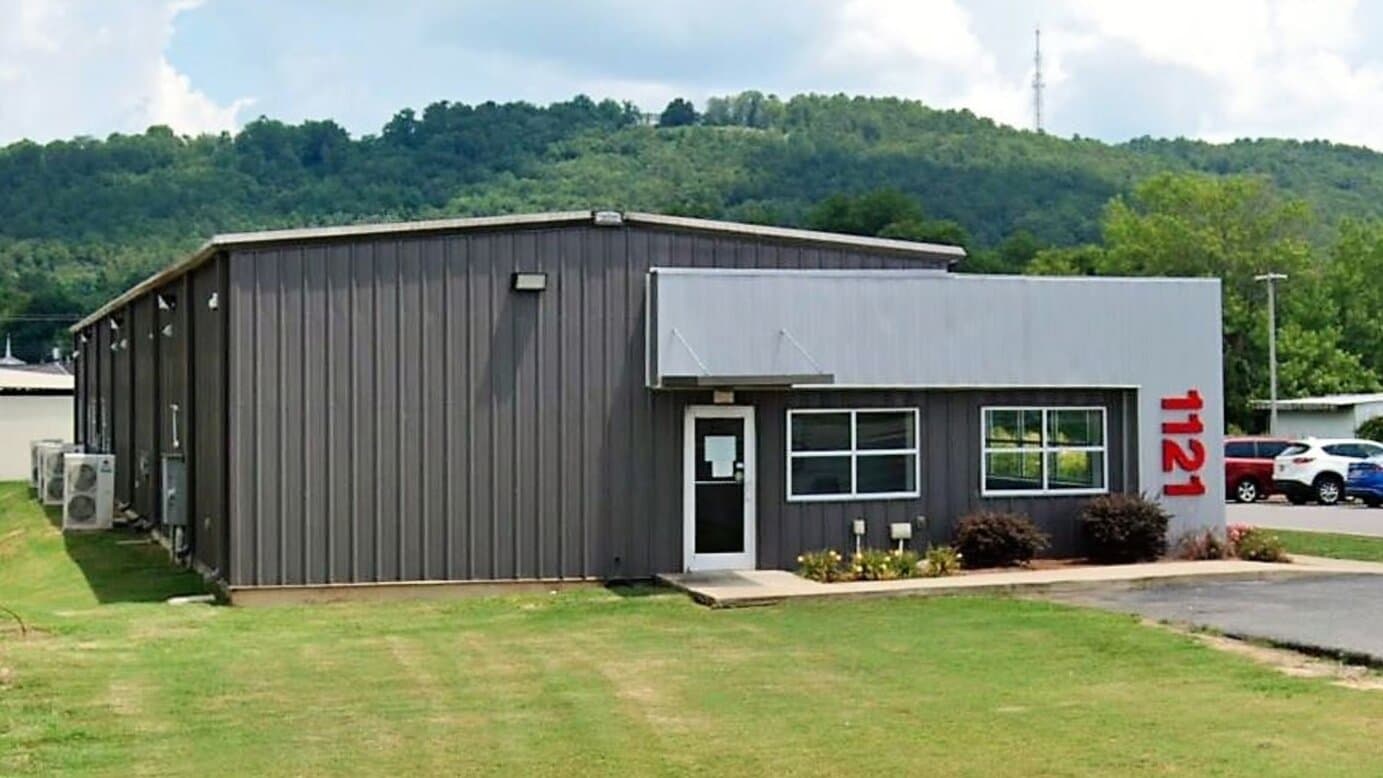
BHG Gadsden Treatment Center
Gadsden, AL
Co-Occurring DisordersMedication-Assisted Treatment
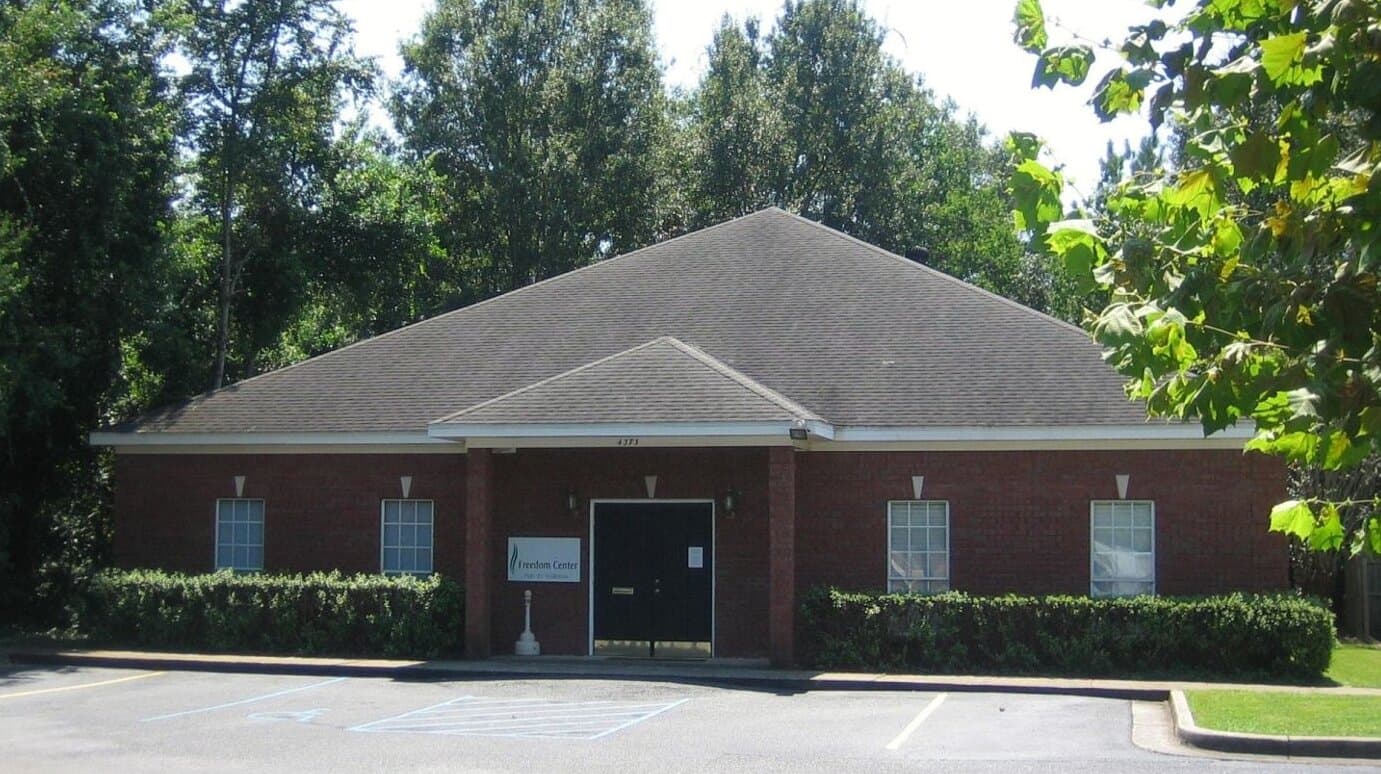
BHG Medical Services - Mobile
Mobile, AL
Co-Occurring DisordersMedication-Assisted Treatment
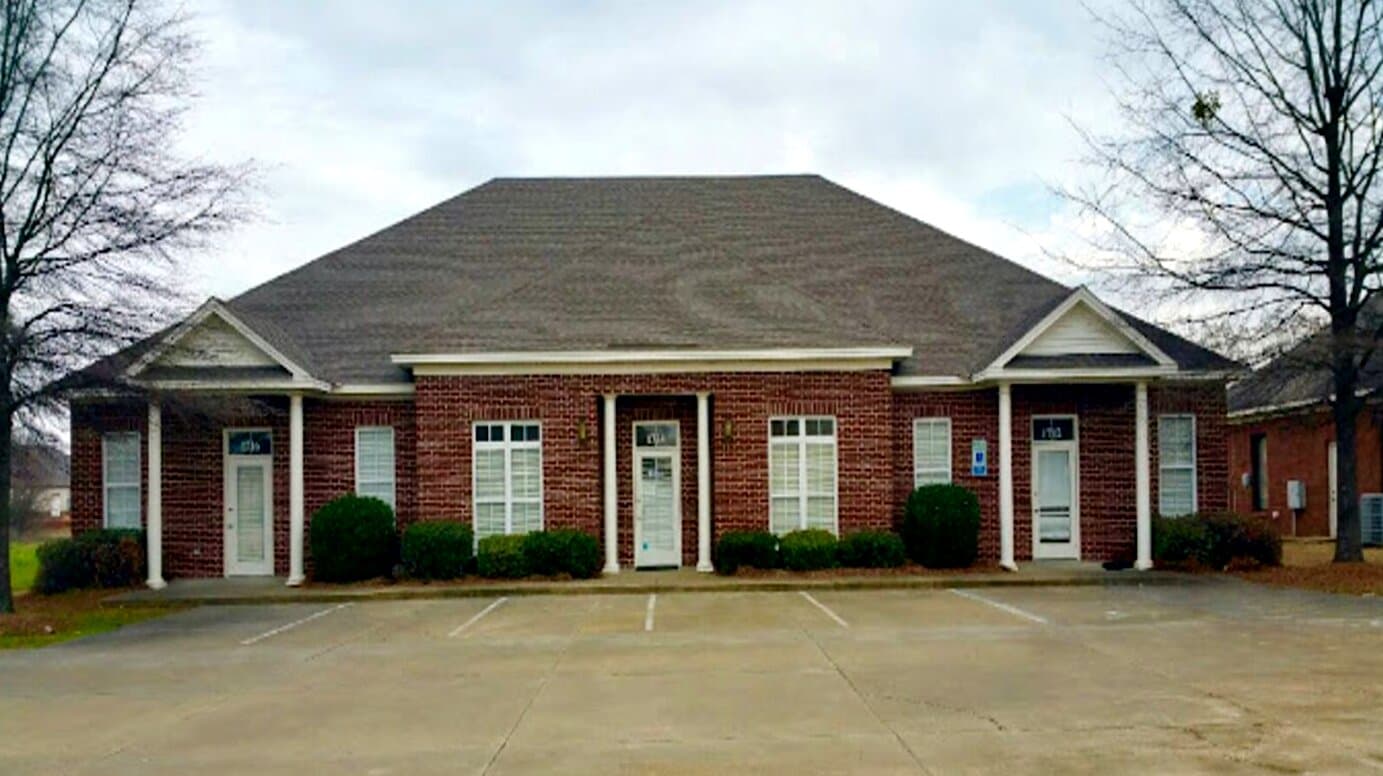
BHG Medical Services - Montgomery
Montgomery, AL
Co-Occurring DisordersMedication-Assisted Treatment
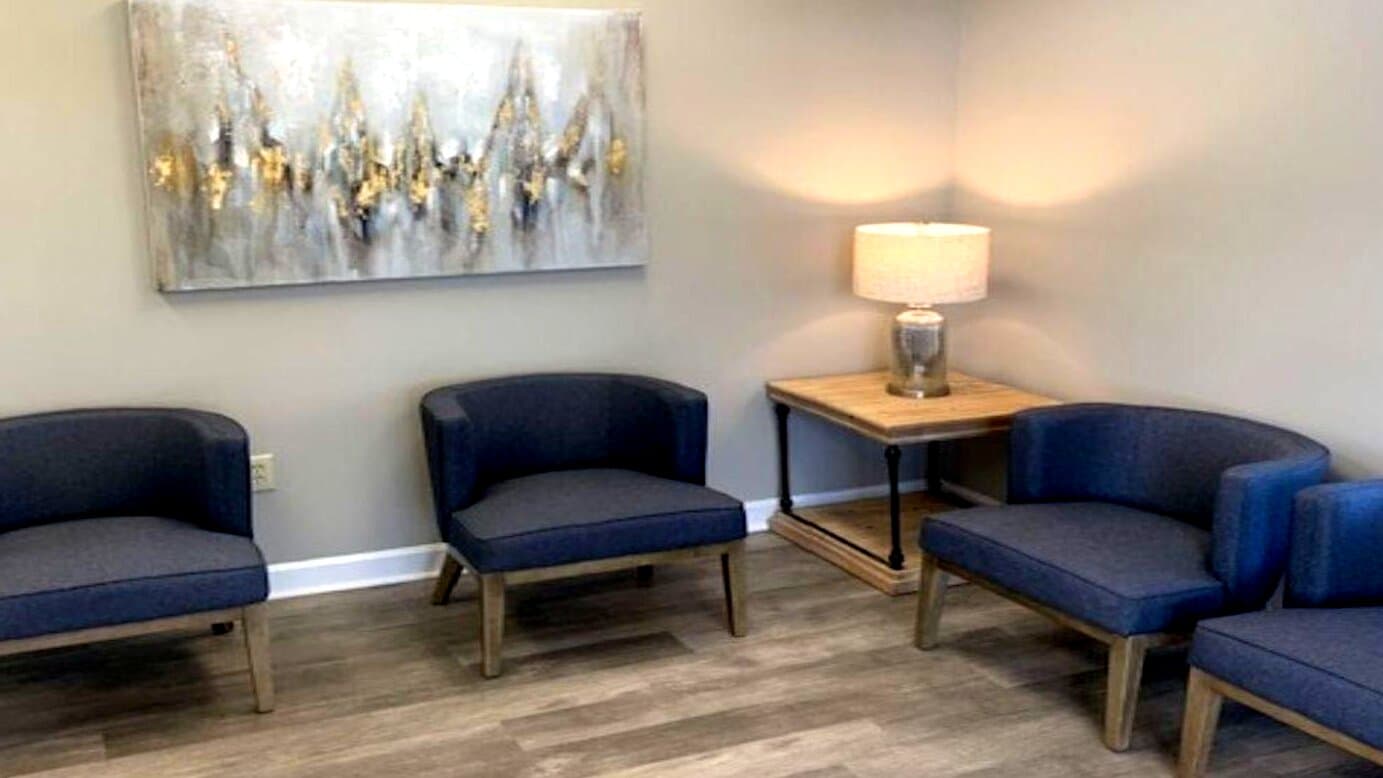
Bradford Health Montgomery Outpatient
Montgomery, AL
AlcoholCo-Occurring Disorders
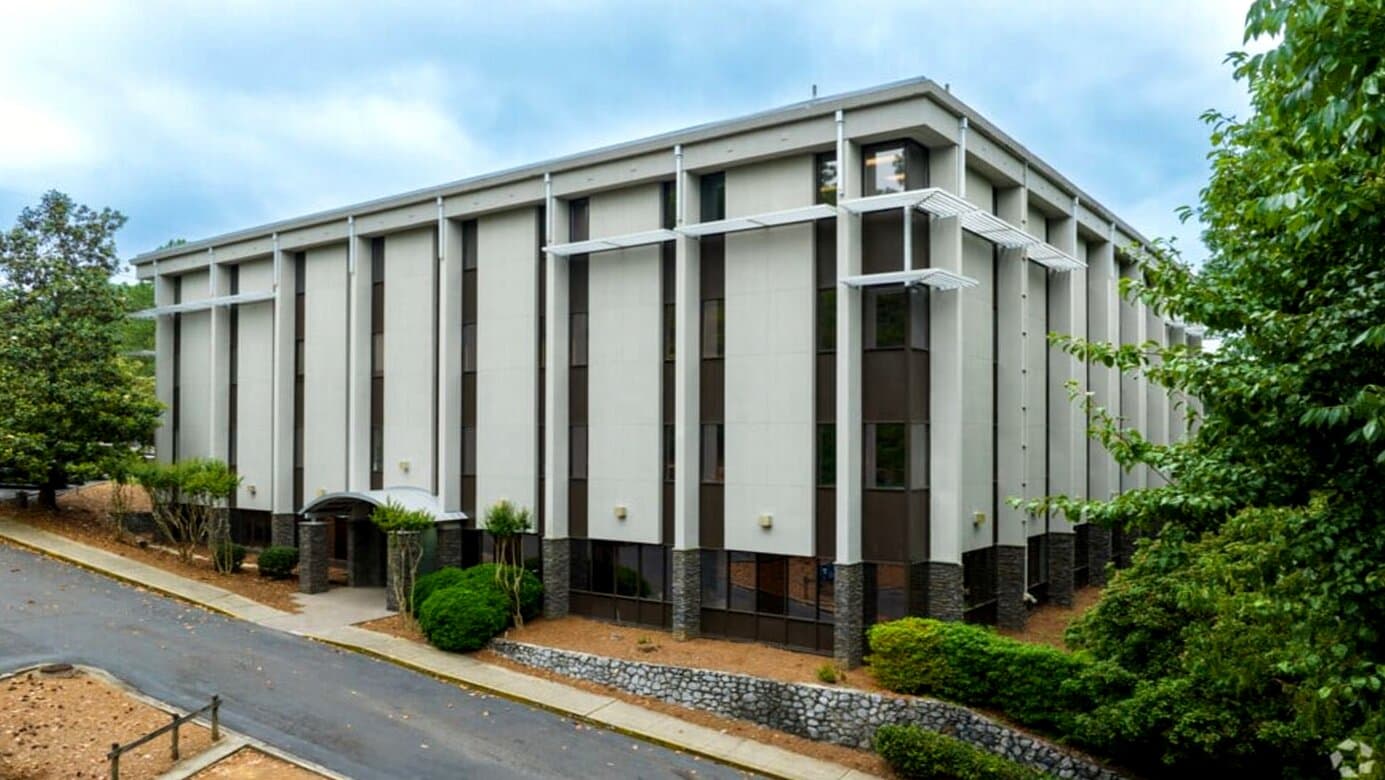
Pasadena Villa Outpatient Birmingham
Vestavia Hills, AL
Day TreatmentIntensive Outpatient Program
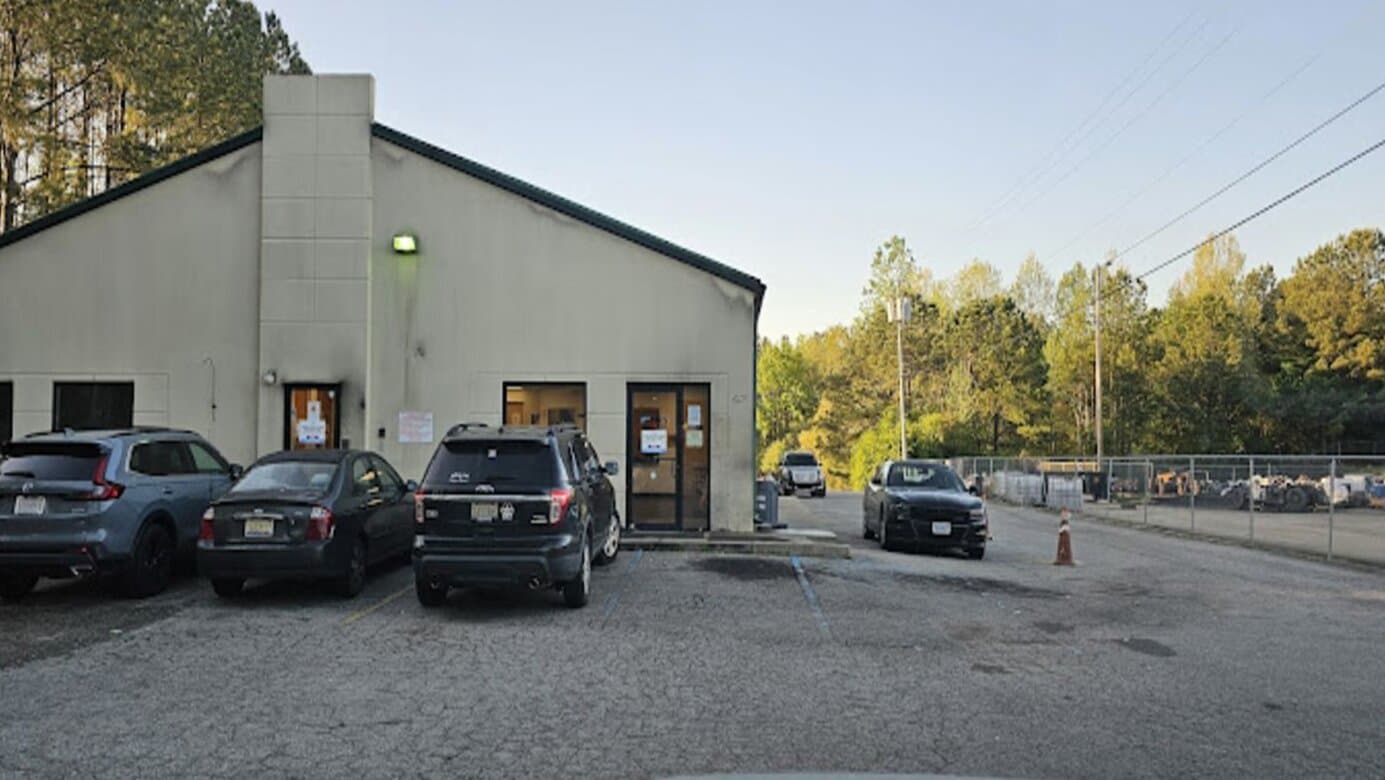
BHG Bessemer Treatment Center
Bessemer, AL
Co-Occurring DisordersMedication-Assisted Treatment
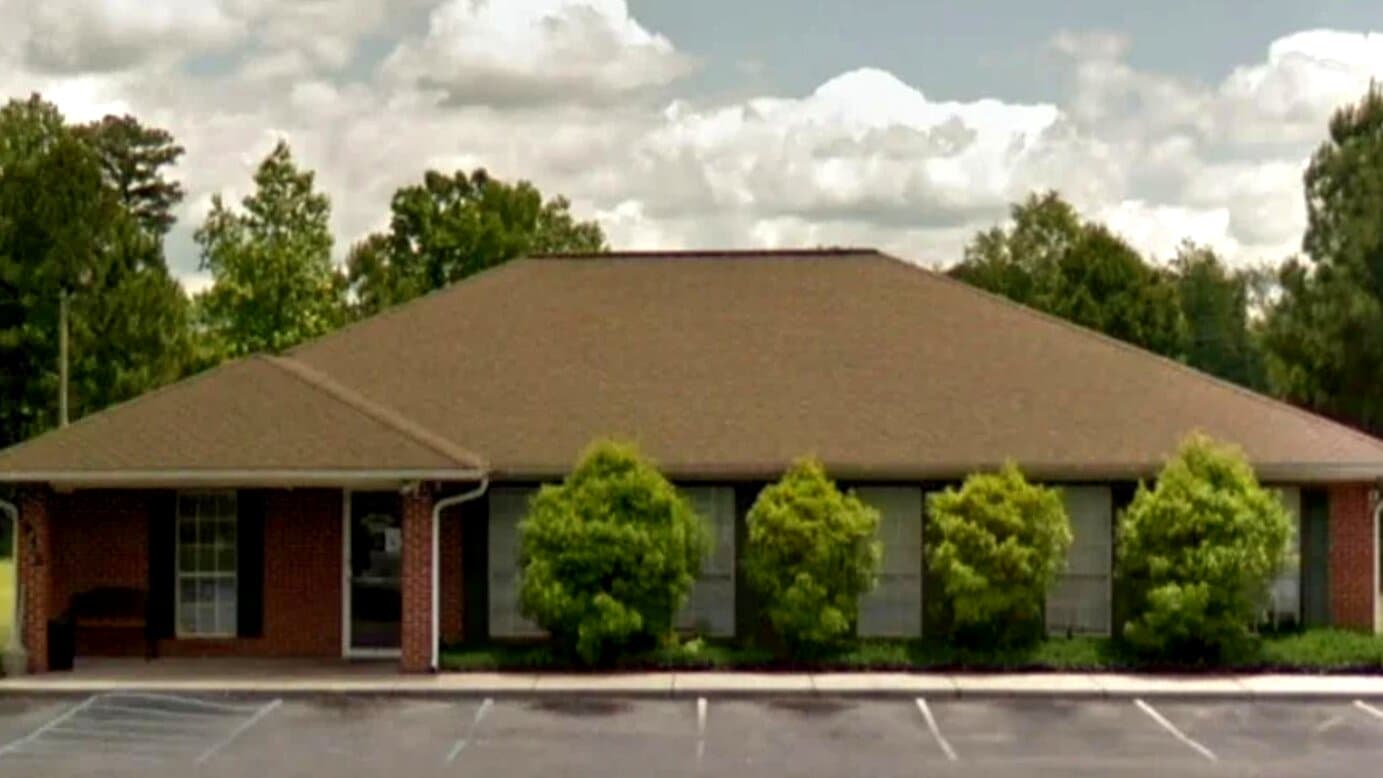
BHG Cullman Treatment Center
Cullman, AL
Co-Occurring DisordersMedication-Assisted Treatment
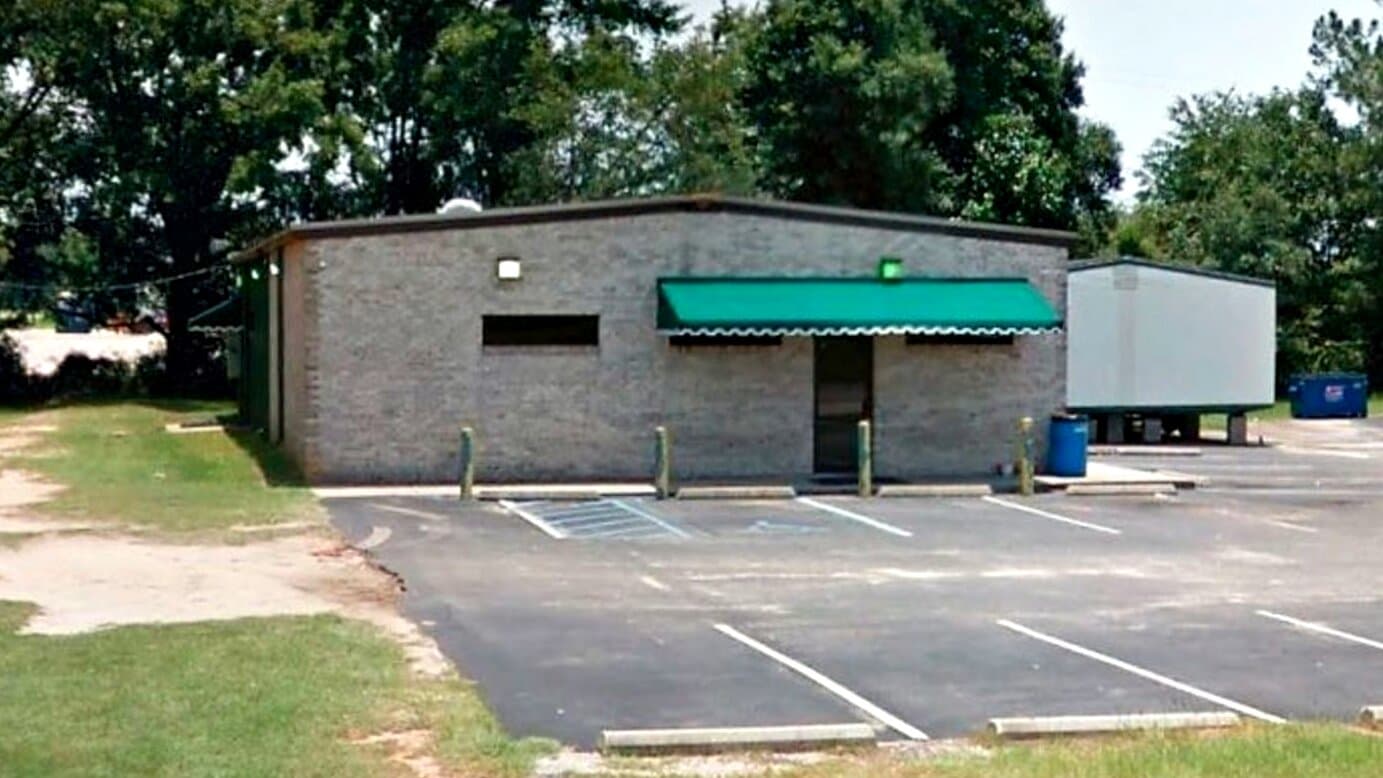
BHG Grand Bay Treatment Center
Grand Bay, AL
Co-Occurring DisordersMedication-Assisted Treatment
BHG Mobile Treatment Center
Mobile, AL
Co-Occurring DisordersMedication-Assisted Treatment
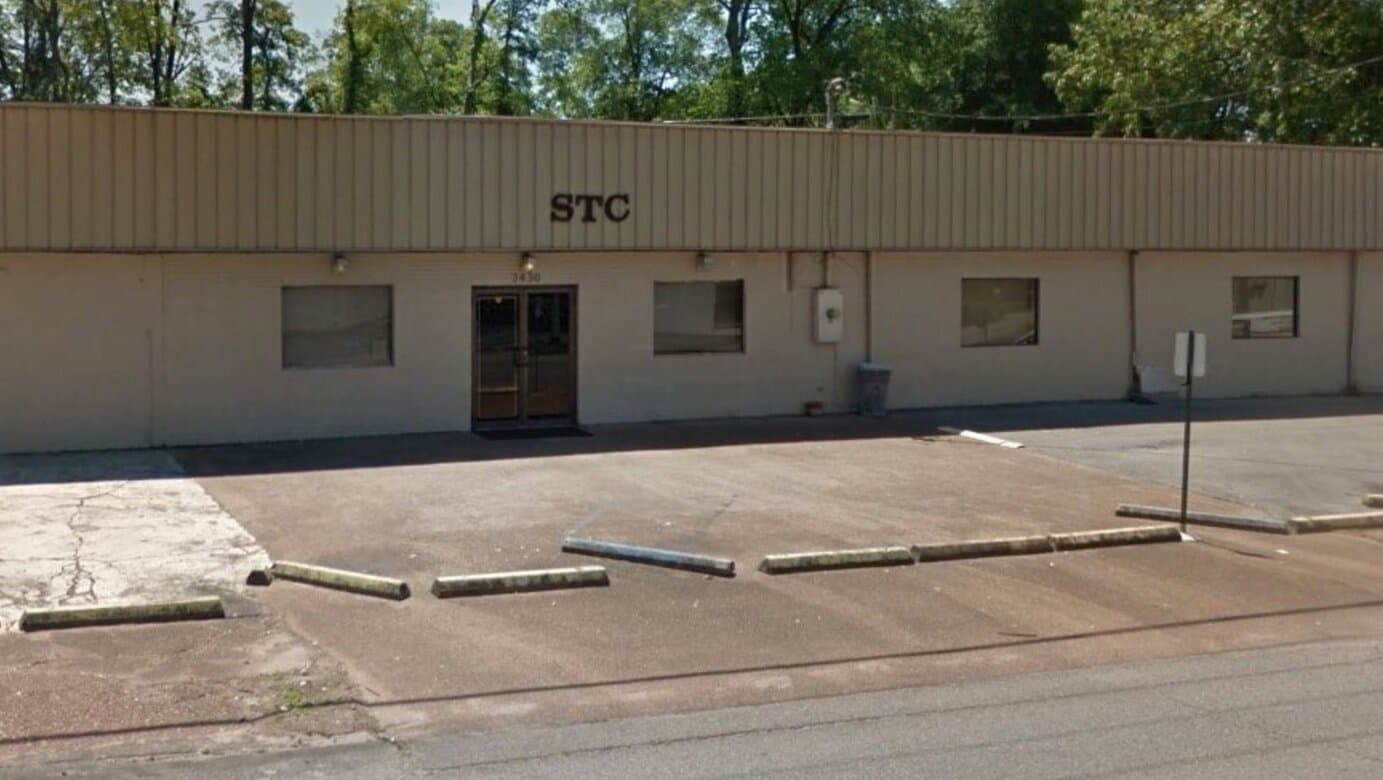
BHG Shoals Treatment Center
Sheffield, AL
Co-Occurring DisordersMedication-Assisted Treatment
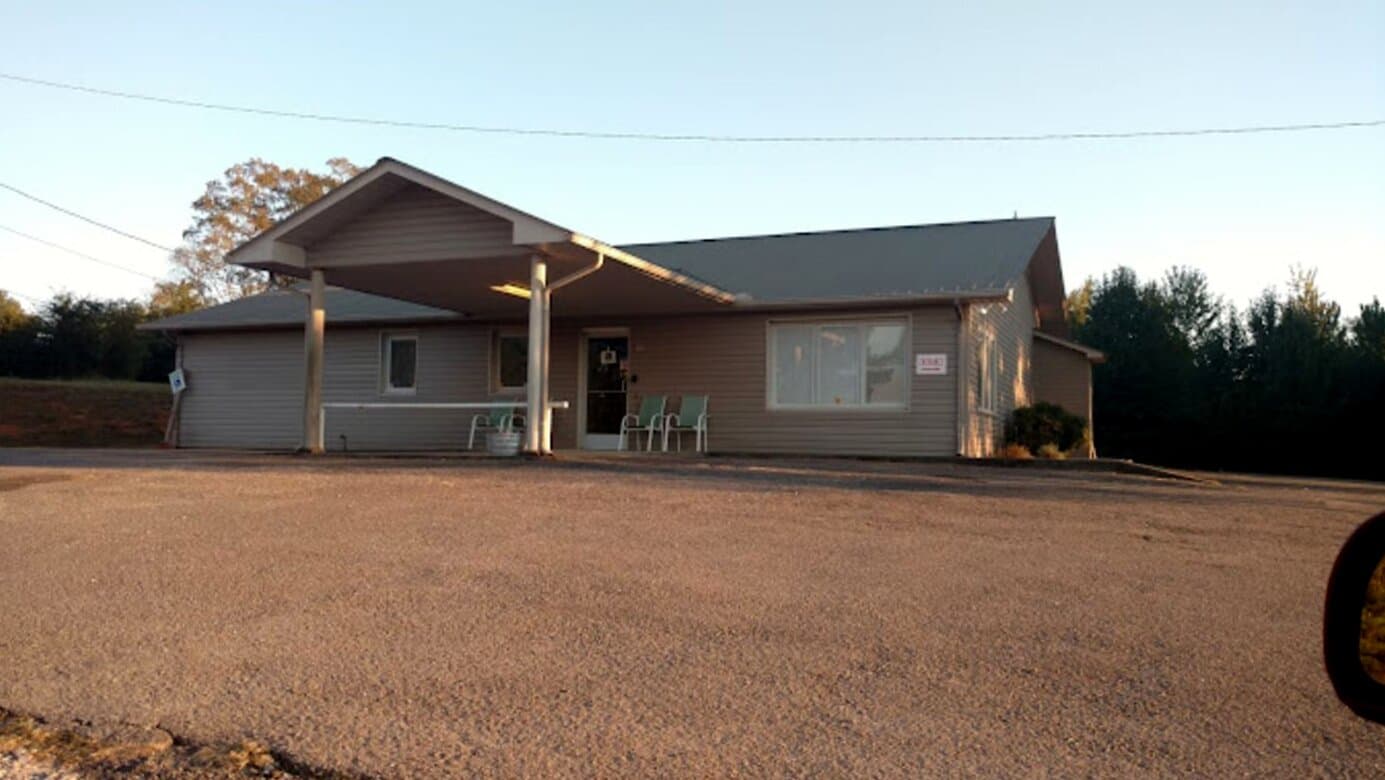
BHG Stevenson Treatment Center
Stevenson, AL
Co-Occurring DisordersMedication-Assisted Treatment
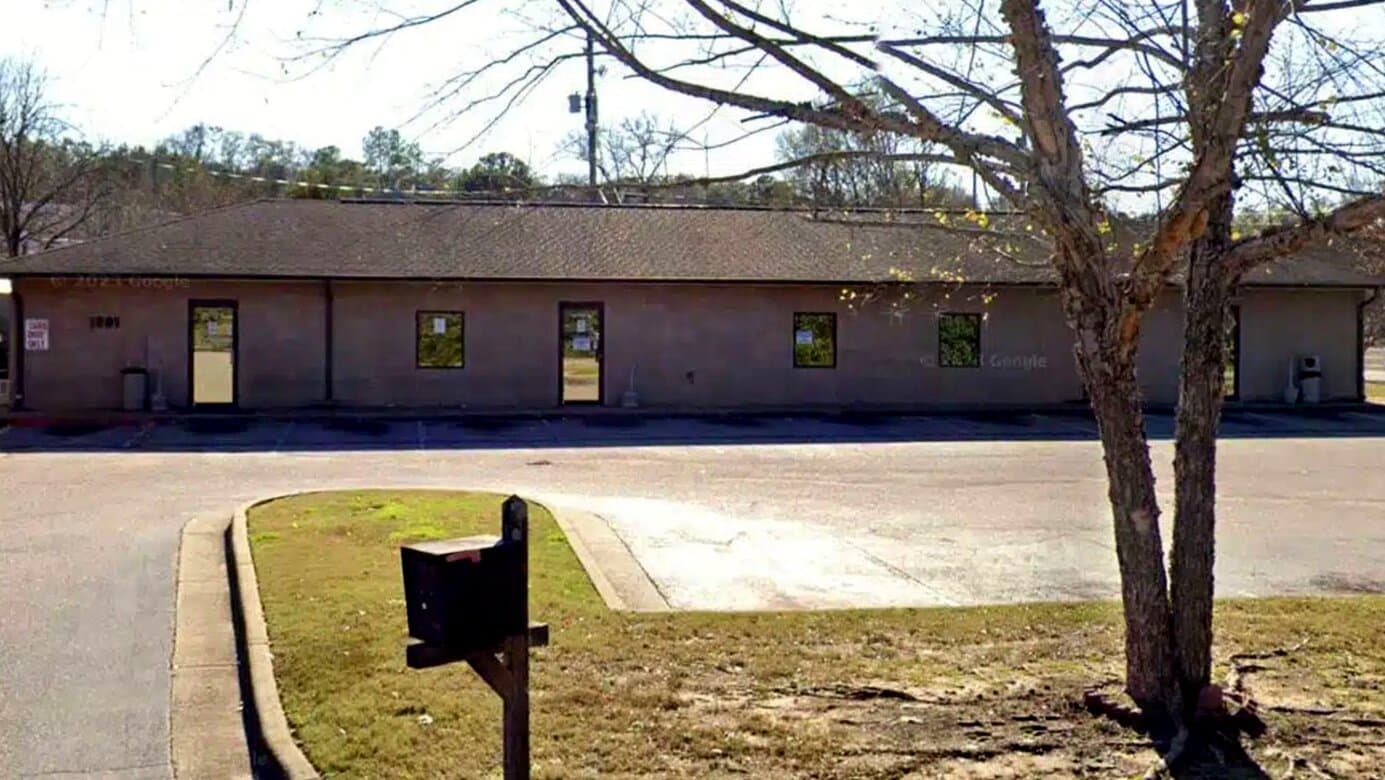
BHG Tuscaloosa Treatment Center
Tuscaloosa, AL
Co-Occurring DisordersMedication-Assisted Treatment
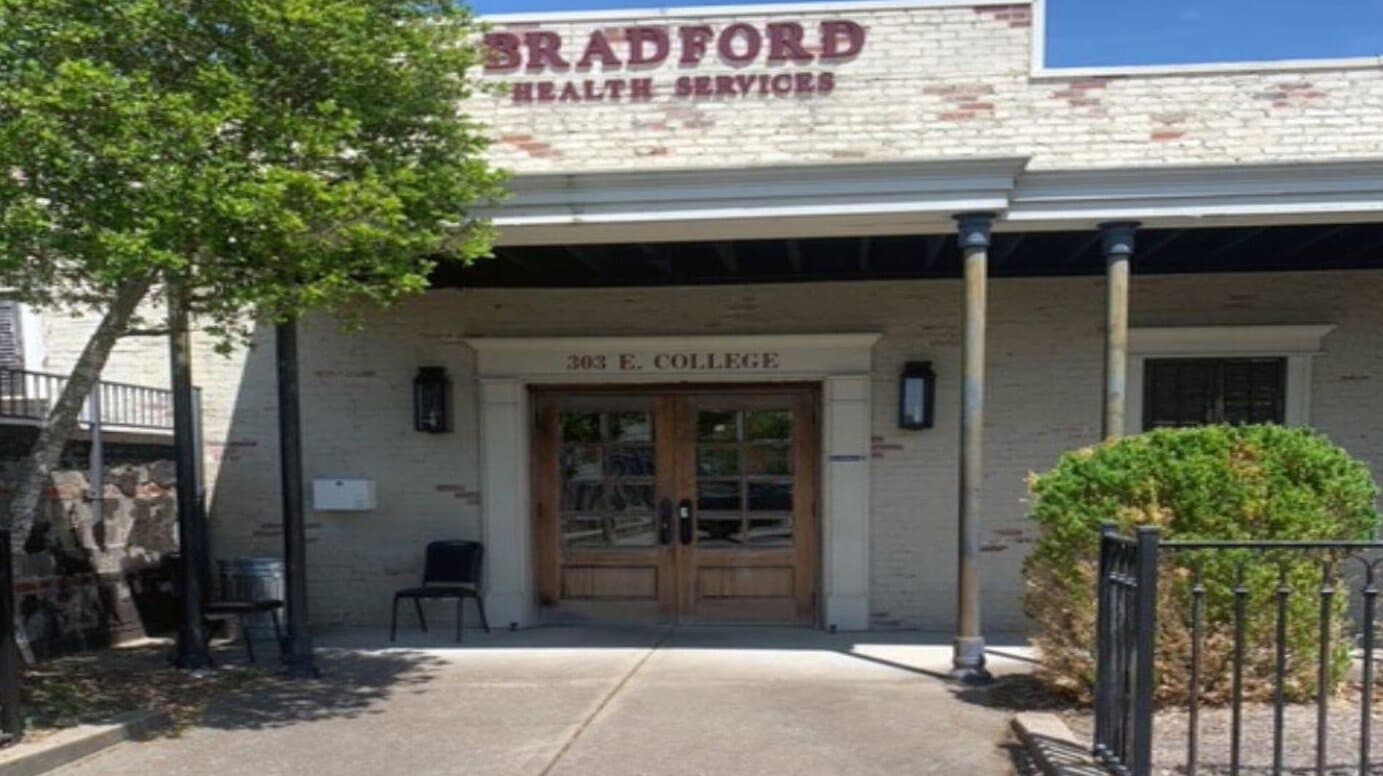
Bradford Health Florence Outpatient
Florence, AL
AlcoholCo-Occurring Disorders
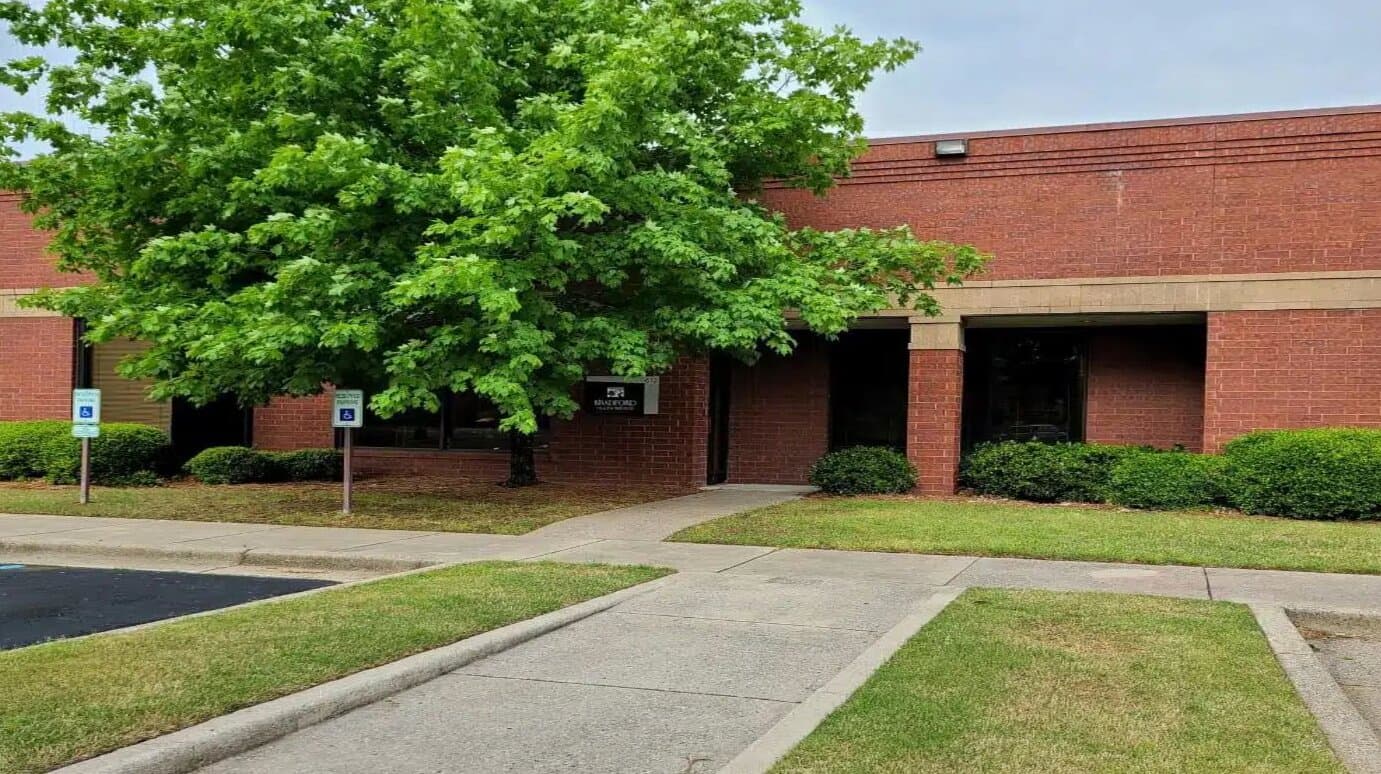
Bradford Health Huntsville Outpatient
Huntsville, AL
AlcoholCo-Occurring Disorders
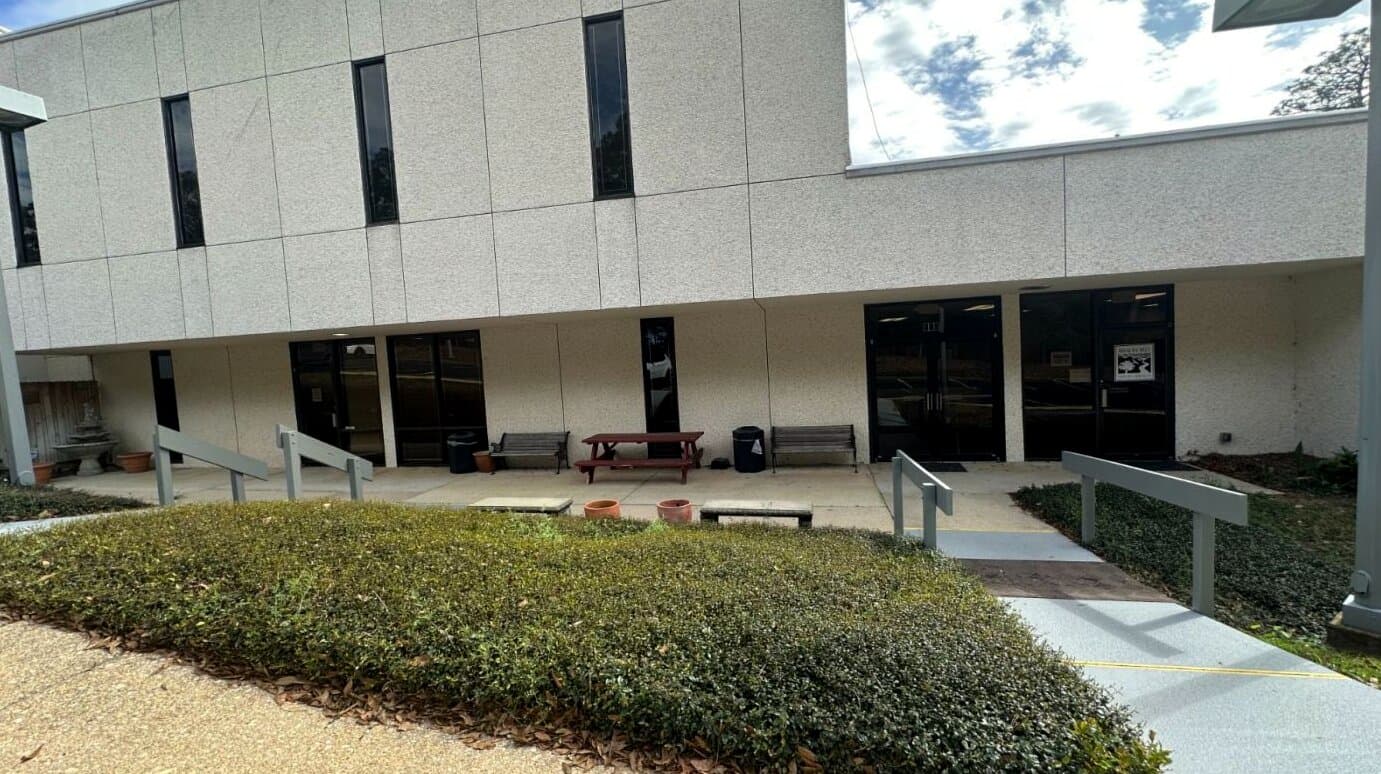
Bradford Health Mobile Outpatient
Mobile, AL
AlcoholCo-Occurring Disorders
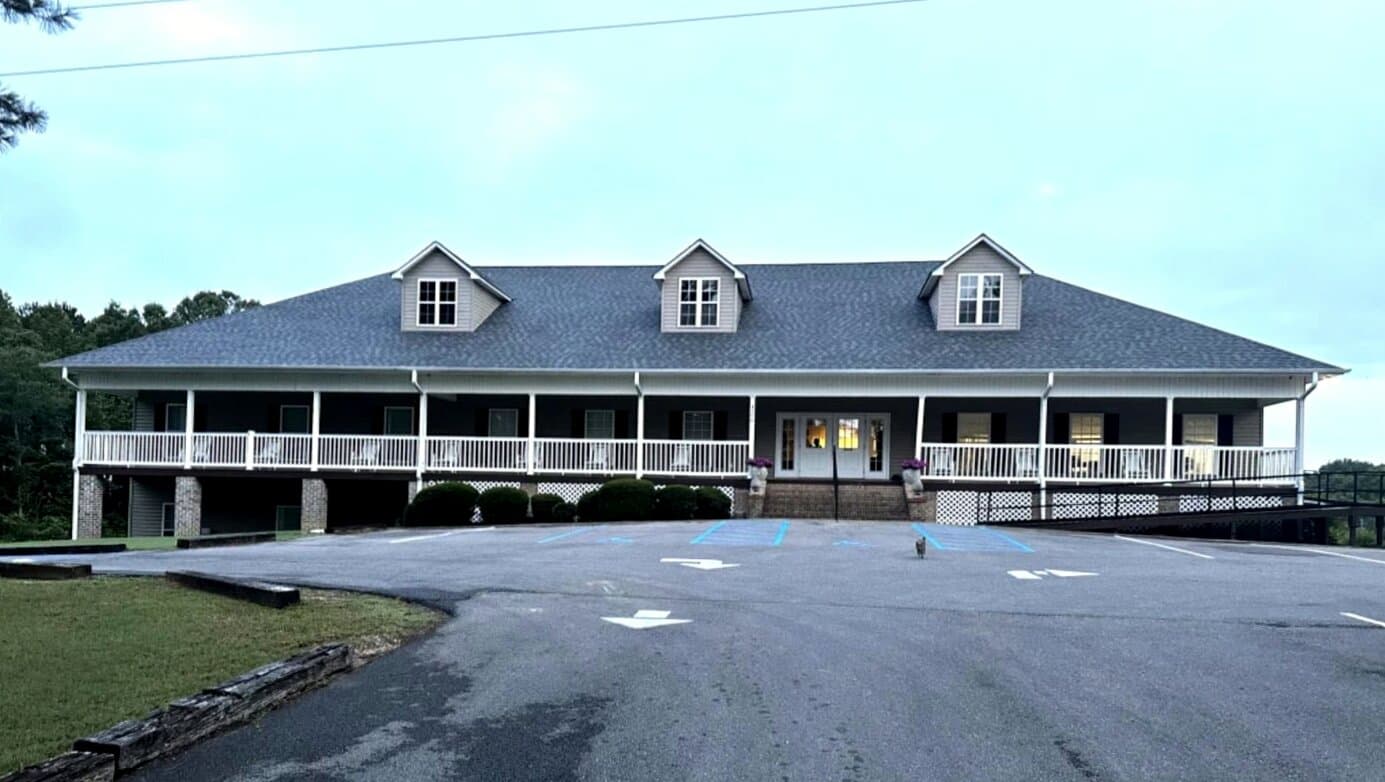
CED Fellowship House
Gadsden, AL
AlcoholDrug Addiction
People Engaged In Recovery-Mobile
Mobile, AL
Recovery Coaching
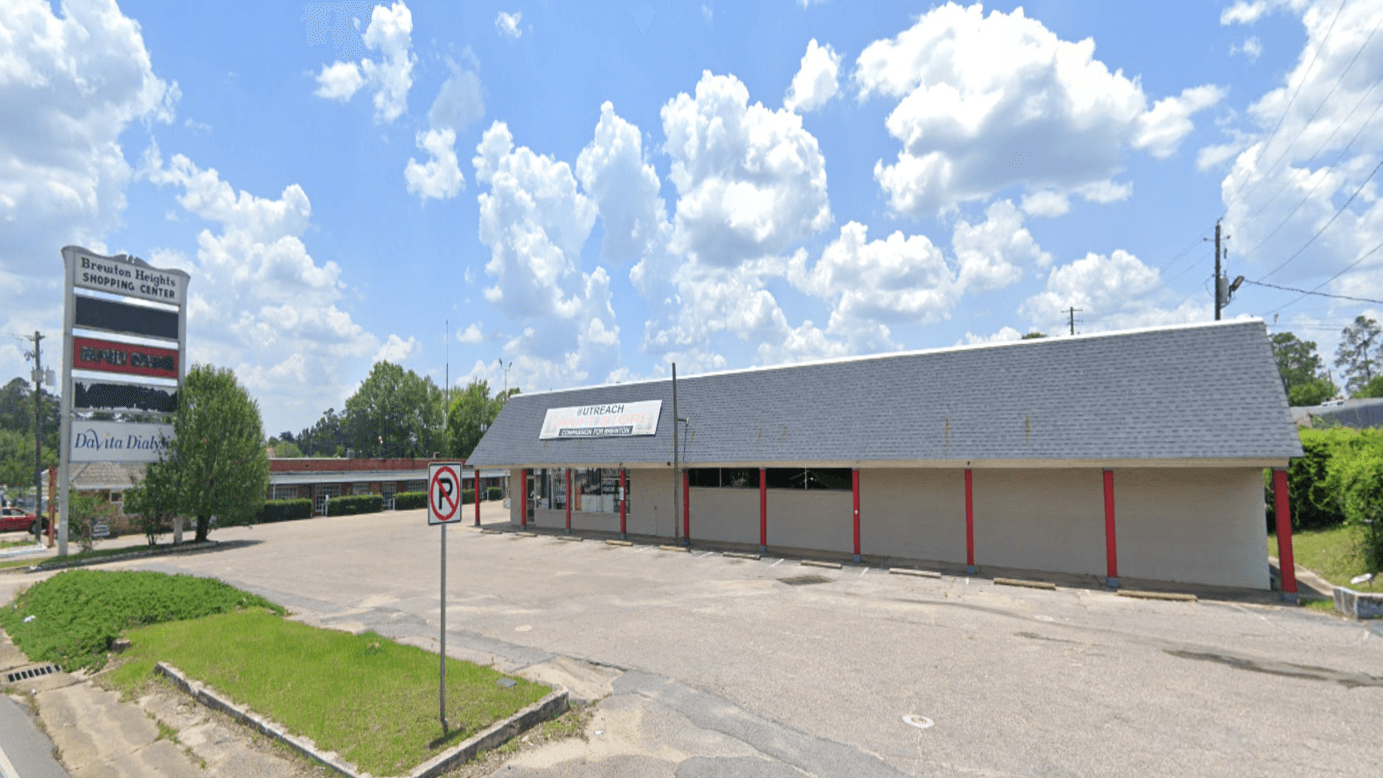
People Engaged in Recovery - Brewton
Brewton, AL
Recovery Coaching
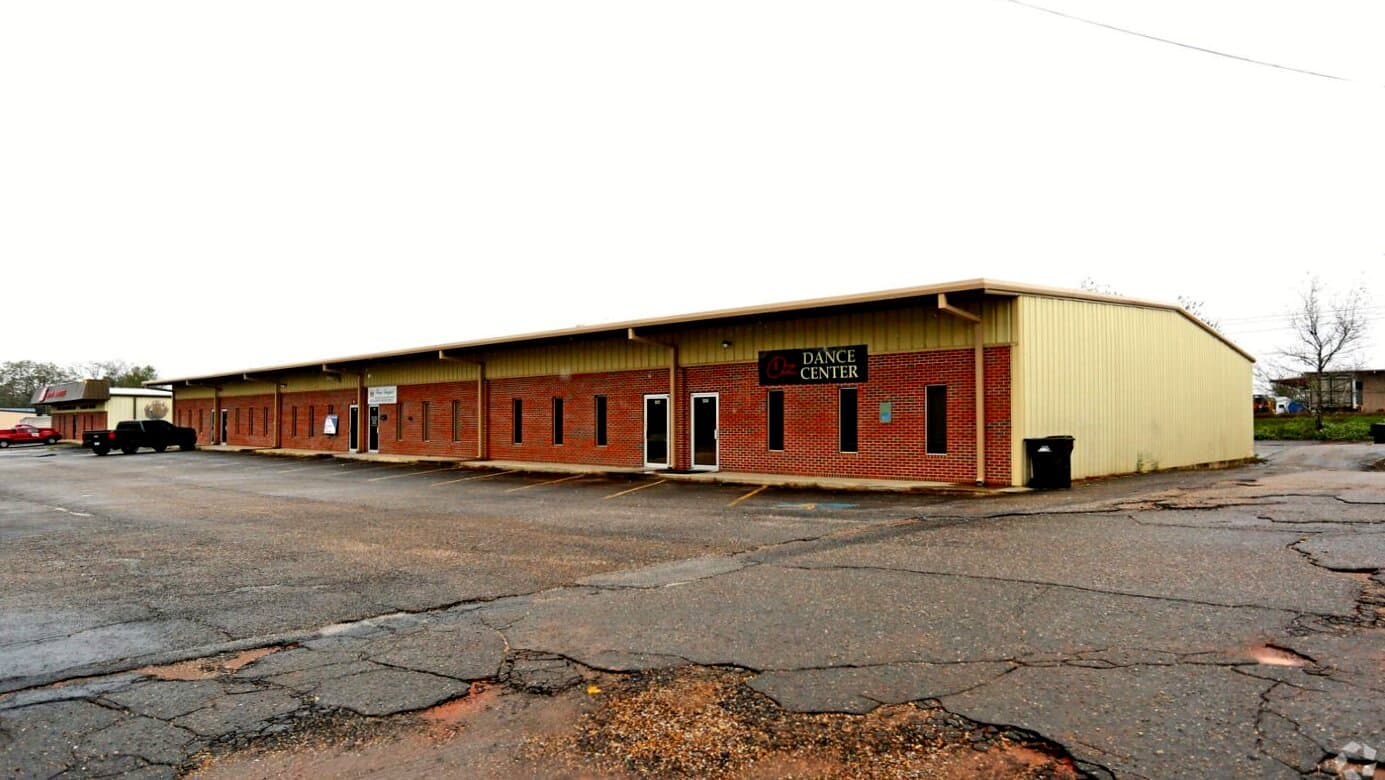
People Engaged in Recovery-Dothan
Dothan, AL
Recovery Coaching
R.O.S.S. Birmingham Community Center
Birmingham, AL
Pregnant WomenRecovery Coaching
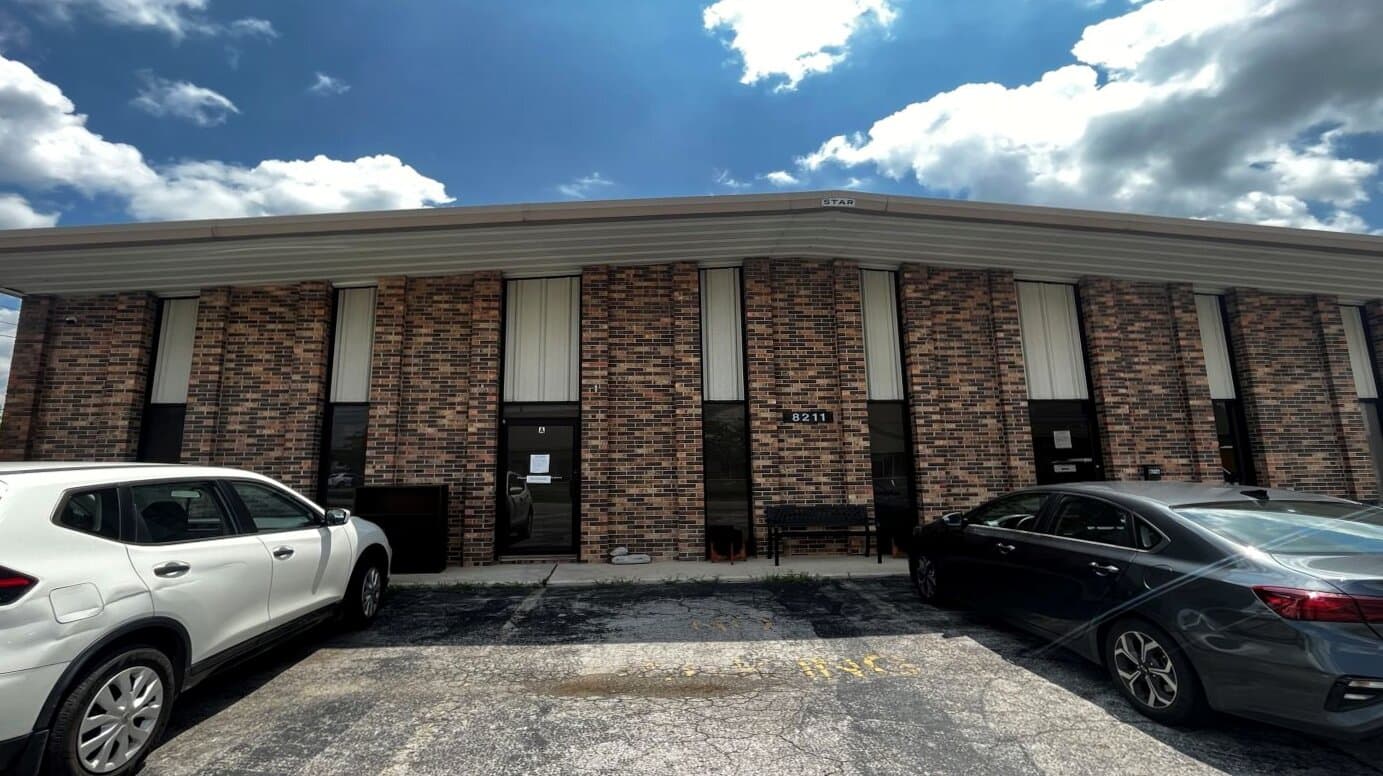
R.O.S.S. Madison Community Center
Huntsville, AL
Pregnant WomenRecovery Coaching
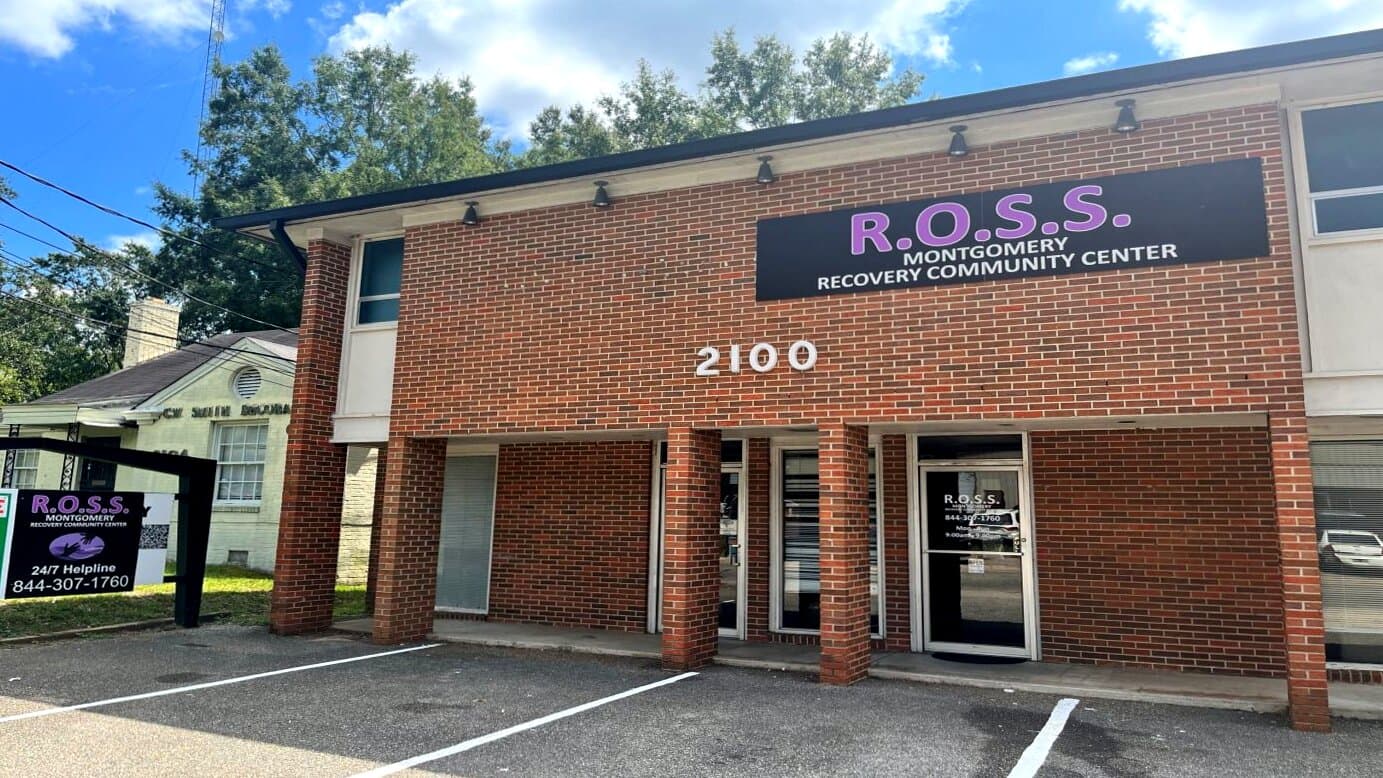
R.O.S.S. Montgomery Community Center
Montgomery, AL
Pregnant WomenRecovery Coaching
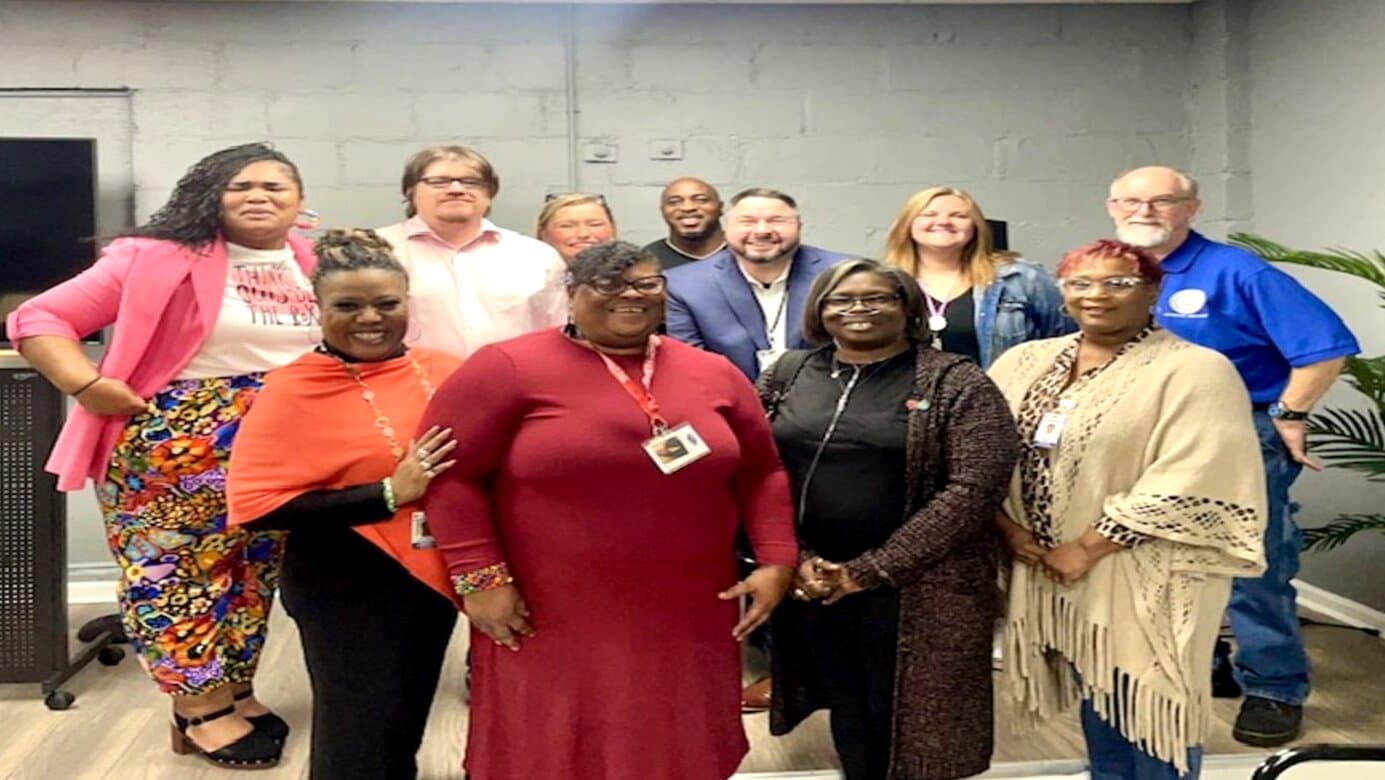
R.O.S.S. Tuscaloosa Community Center
Tuscaloosa, AL
Pregnant WomenRecovery Coaching
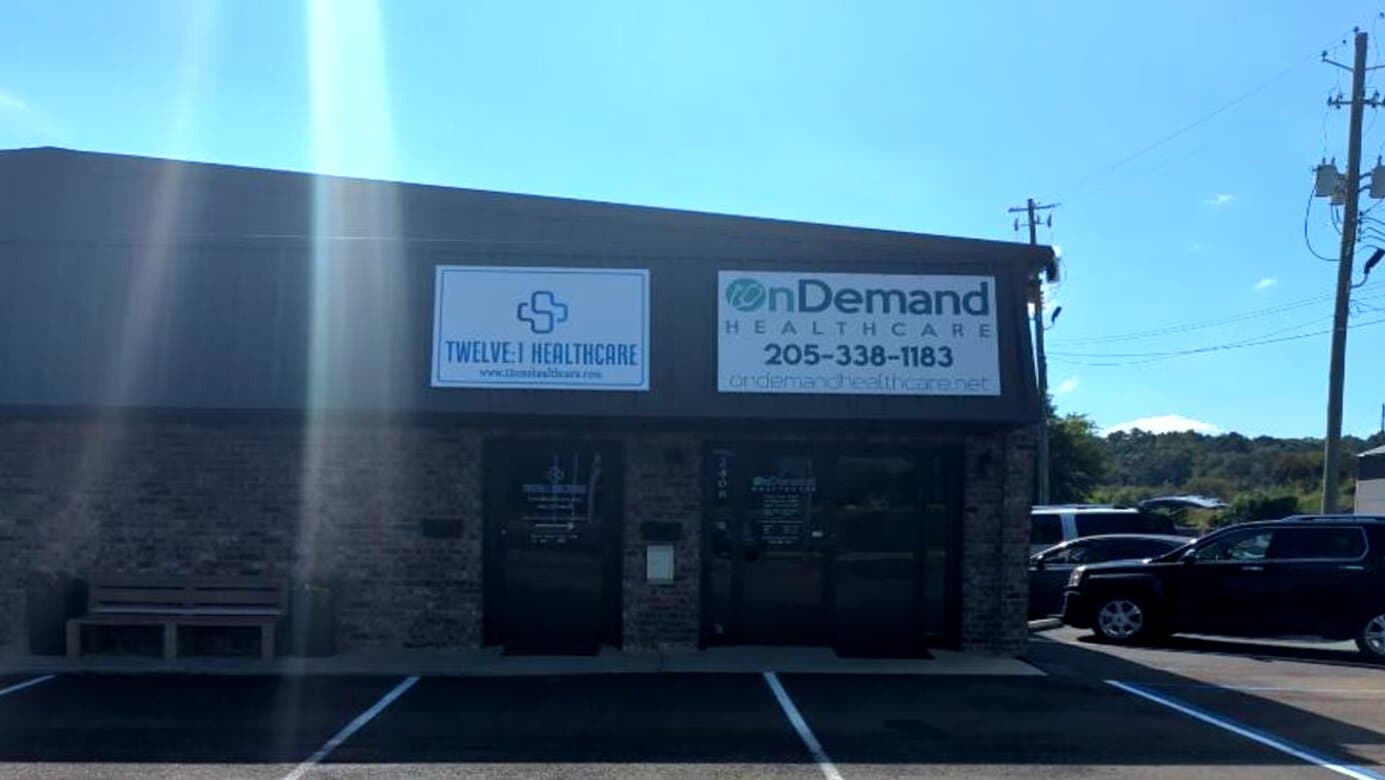
Twelve:1 Healthcare
Pell City, AL
Aletheia House
Huntsville, AL
Bridge Mobile Addictions Treatment Center
Mobile, AL
Northwest Alabama Mental Health Winfield Outpatient Program
Winfield, AL
South Central Alabama MHC Butler County Mental Health Center
Greenville, AL
Tuscaloosa VA Medical Center Comprehensive OP Substance Abuse Treat
Tuscaloosa, AL
WellStone
Huntsville, AL
What Is Dual Diagnosis Treatment?
Dual diagnosis treatment — also called co-occurring disorder treatment — addresses substance use and a mental health condition at the same time. Depression, anxiety, bipolar disorder, PTSD, and ADHD frequently occur alongside addiction, and each condition can worsen the other.
Treating only the addiction while leaving a mental health condition unmanaged is a common cause of relapse. Dual diagnosis programs combine psychiatric care, addiction treatment, and therapy into one coordinated plan so both conditions improve together.
Alabama faces significant challenges with opioid addiction and mental health disorders, particularly in rural areas where access to treatment is limited. Choosing dual diagnosis treatment in Alabama keeps treatment close to your support network and connects you with programs familiar with local insurance and resources.
Who Dual Diagnosis Treatment Is Right For
- People living with both addiction and a mental health condition
- Those whose anxiety, depression, or trauma fuels substance use
- Anyone who has relapsed after addiction-only treatment
- Individuals needing psychiatric medication management
- Families seeking coordinated mental health and recovery care
What to Expect
- A comprehensive psychiatric and substance use assessment
- An integrated treatment plan addressing both conditions
- Therapy such as CBT and DBT alongside addiction counseling
- Psychiatric medication management where appropriate
- Aftercare that supports both recovery and mental wellness
Paying for Dual Diagnosis Treatment in Alabama
Federal parity law requires most health plans to cover mental health and substance use care comparably, so dual diagnosis treatment is typically covered by private insurance, Medicaid, and Medicare.
Residents of Alabama can pay for treatment through private insurance, Medicaid, Medicare, sliding-scale fees, payment plans, or state-funded programs. Cost should never be a barrier to care — call +1 (239) 241-8393 and we will verify your coverage for free.
Other Treatment Options in Alabama
Dual Diagnosis Treatment is one level of care along a continuum. Explore other types of addiction treatment available in Alabama:
Dual Diagnosis Treatment in Alabama: FAQ
What is dual diagnosis treatment?+
Dual diagnosis treatment — also called co-occurring disorder treatment — addresses substance use and a mental health condition at the same time. Depression, anxiety, bipolar disorder, PTSD, and ADHD frequently occur alongside addiction, and each condition can worsen the other.
How do I find dual diagnosis treatment in Alabama?+
This page lists 46 facilities offering dual diagnosis treatment in Alabama. Compare each center on the conditions it treats, accreditation, and the services it provides, then contact the facility directly — or call our free 24/7 helpline for personalized guidance and insurance verification.
How much does dual diagnosis treatment cost in Alabama?+
The cost of dual diagnosis treatment in Alabama depends on the program, its length, and the amenities offered. Federal parity law requires most health plans to cover mental health and substance use care comparably, so dual diagnosis treatment is typically covered by private insurance, Medicaid, and Medicare. Many Alabama centers also offer payment plans, sliding-scale fees, and scholarships. Call us for a clear cost estimate before you commit.
Does insurance cover dual diagnosis treatment in Alabama?+
Yes. Under the Affordable Care Act and federal parity law, most health plans — including private insurance, Alabama Medicaid, and Medicare — must cover medically necessary addiction treatment. Coverage depends on your specific plan; we verify benefits for free and confidentially.
Can I travel outside Alabama for treatment?+
Yes. Many people choose to attend dual diagnosis treatment in another state for greater privacy, a change of environment, or access to a specialized program. Our helpline can help you compare Alabama options with out-of-state centers and coordinate admission either way.
Find Dual Diagnosis Treatment in Alabama Today
Our compassionate team is available 24/7 to answer questions about dual diagnosis treatment, verify your insurance, and match you with the right Alabama treatment center — free and completely confidential.
In an emergency, call 911. For free, confidential national support, contact SAMHSA's helpline at 1-800-662-4357 or dial 988 for the Suicide & Crisis Lifeline.