Loading...
Dual Diagnosis Treatment in Arkansas
39 facilities offering dual diagnosis treatment in Arkansas
Integrated care that treats addiction and co-occurring mental health conditions together.
Dual Diagnosis Treatment Centers in Arkansas
Showing 39 of 39

The Haven Detox - West Memphis
West Memphis, AR
AlcoholArt Therapy
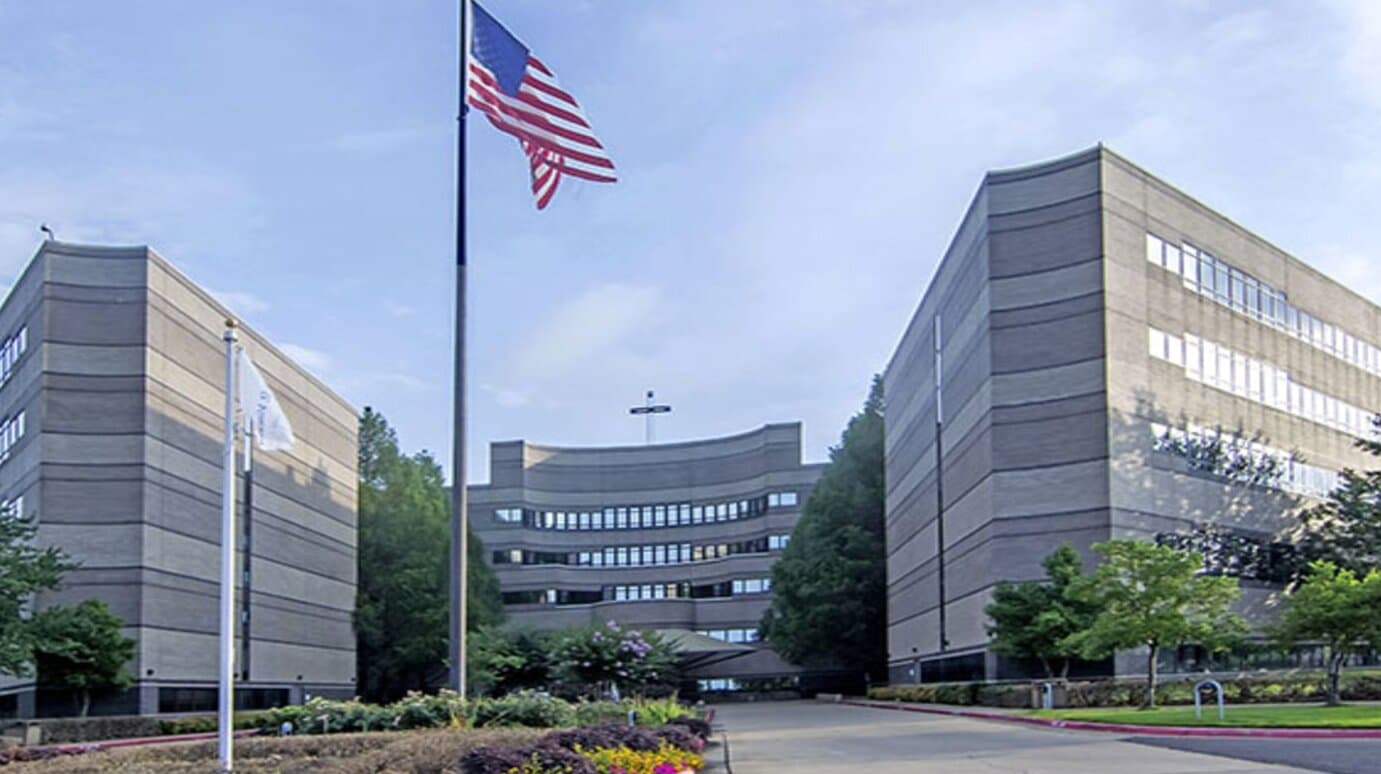
BHG Medical Services - Hot Springs
Hot Springs, AR
Co-Occurring DisordersMedication-Assisted Treatment
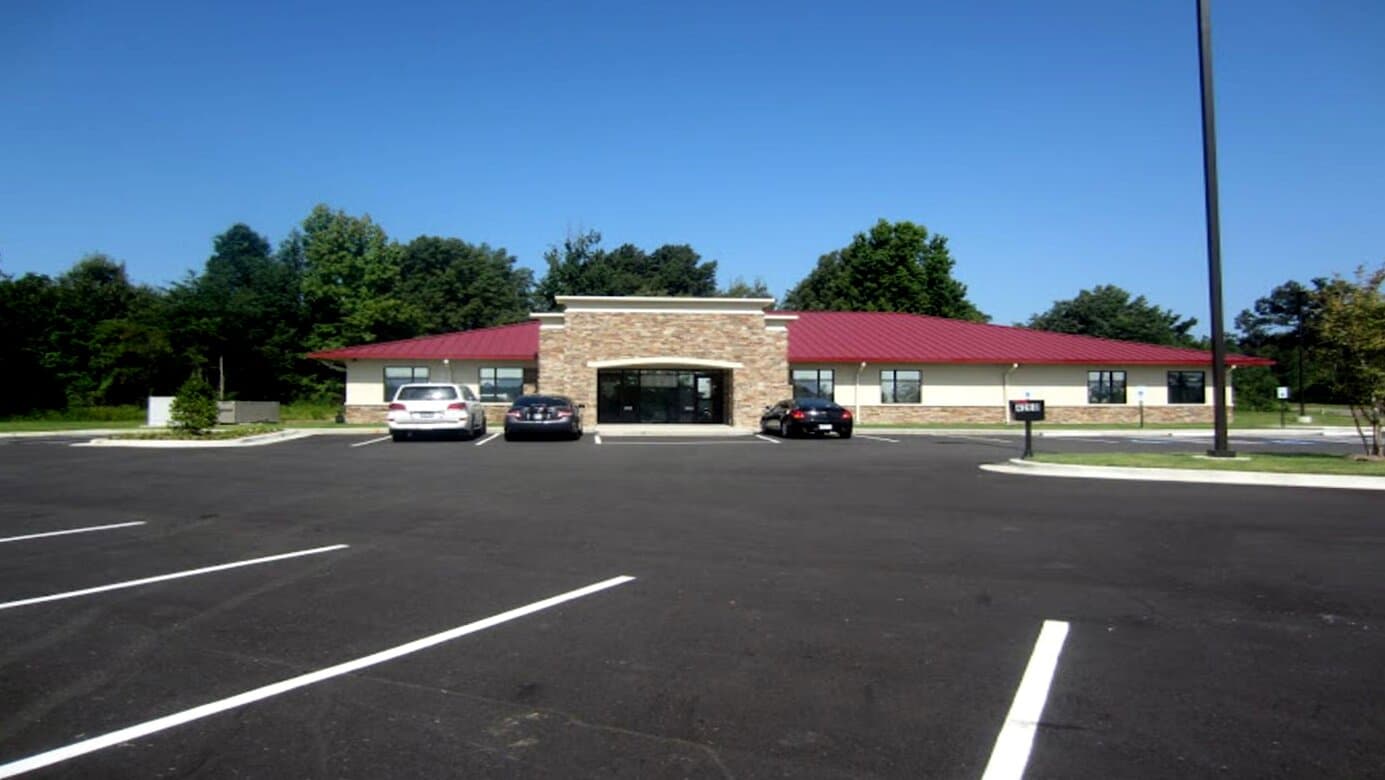
BHG Medical Services North Little Rock
North Little Rock, AR
Co-Occurring DisordersMedication-Assisted Treatment

Conway Behavioral Health
Conway, AR
AlcoholAnxiety
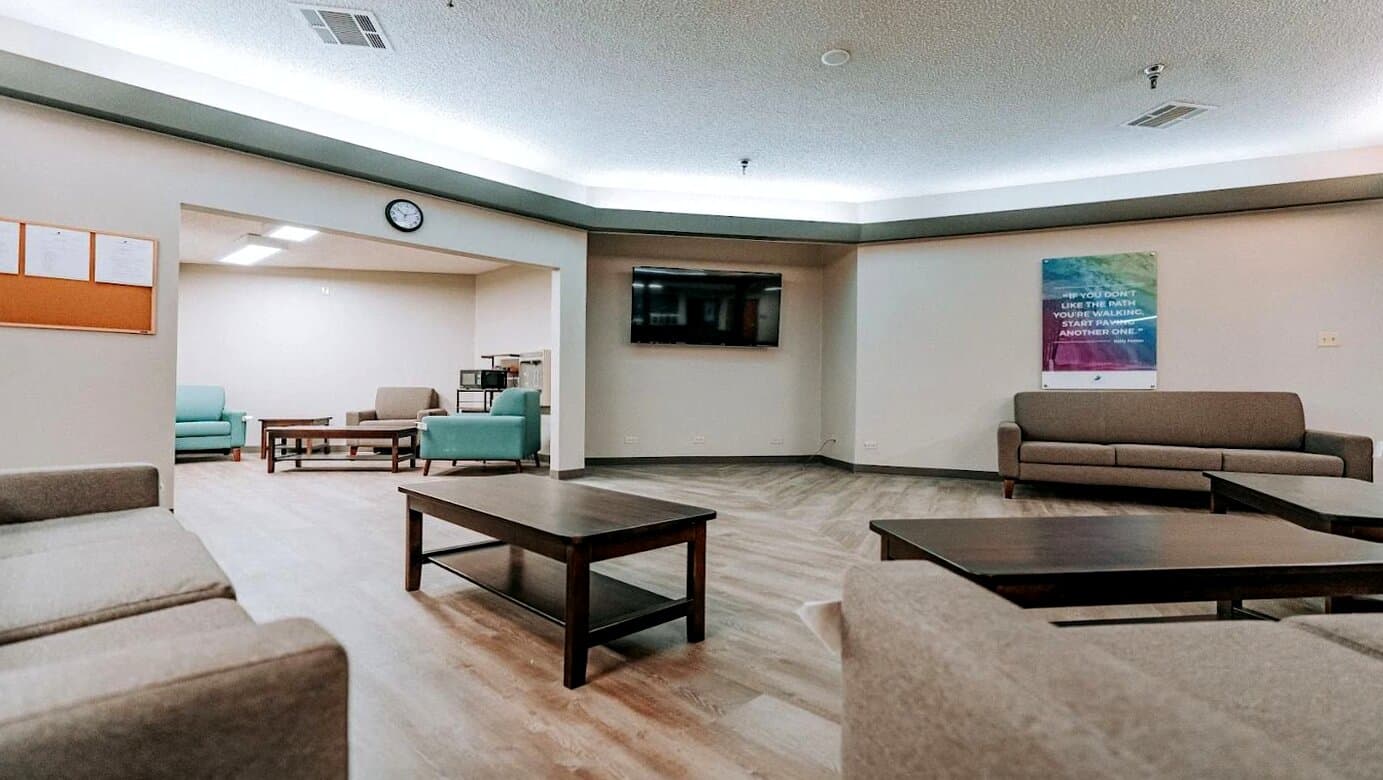
Hickory Grove Recovery
Morrilton, AR
AlcoholDrug Addiction
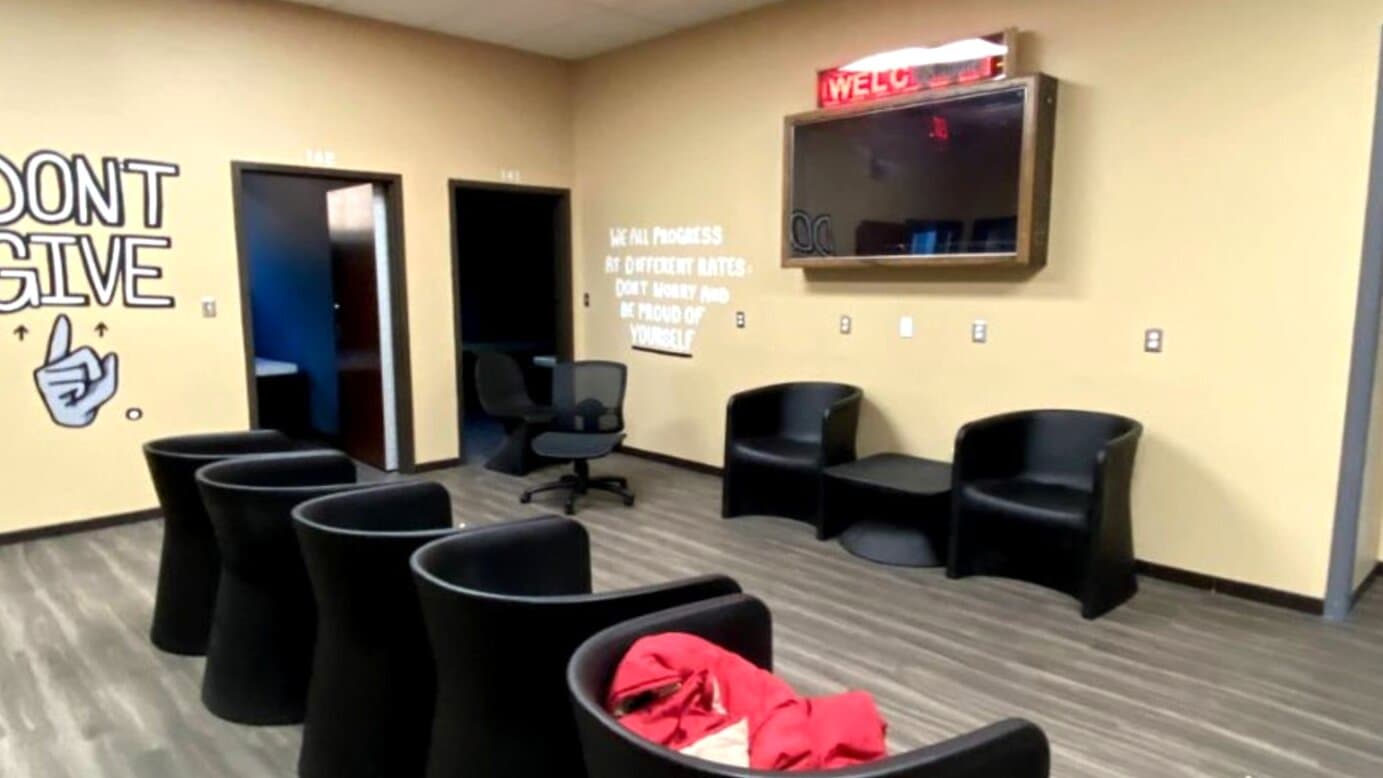
Little Creek Behavioral Health
Conway, AR
Adolescents
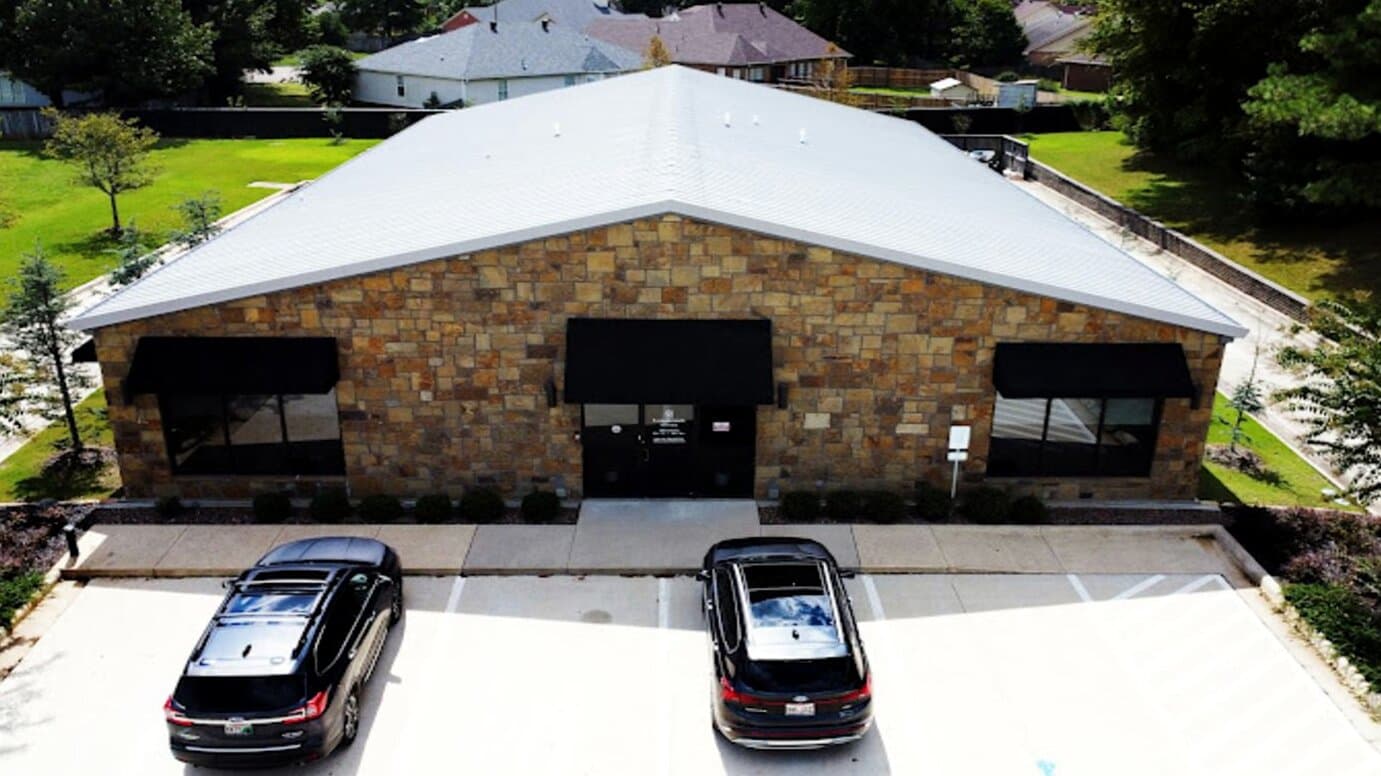
Longbranch Recovery and Wellness Jonesboro
Jonesboro, AR
AlcoholCo-Occurring Disorders
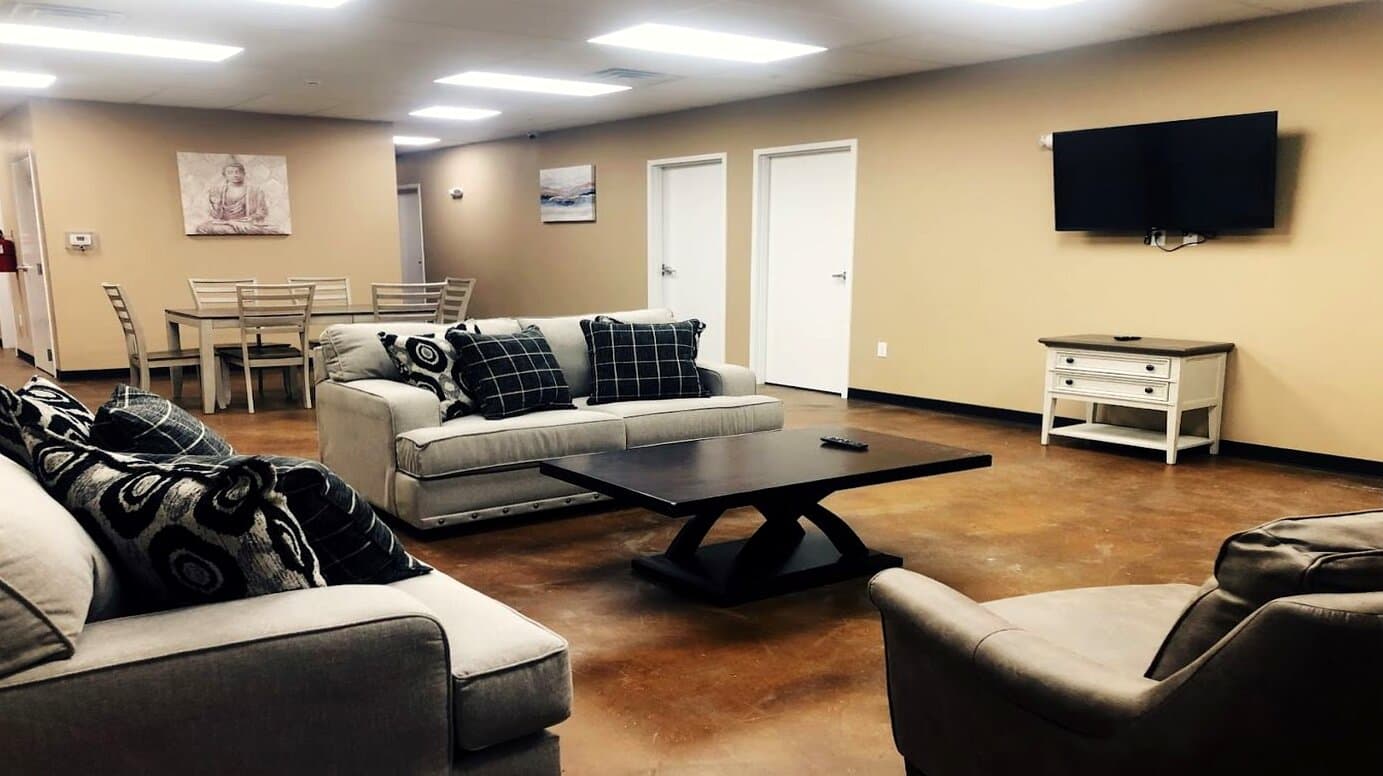
Natural State Recovery Centers
North Little Rock, AR
AlcoholDetox

Oasis Renewal Center
Little Rock, AR
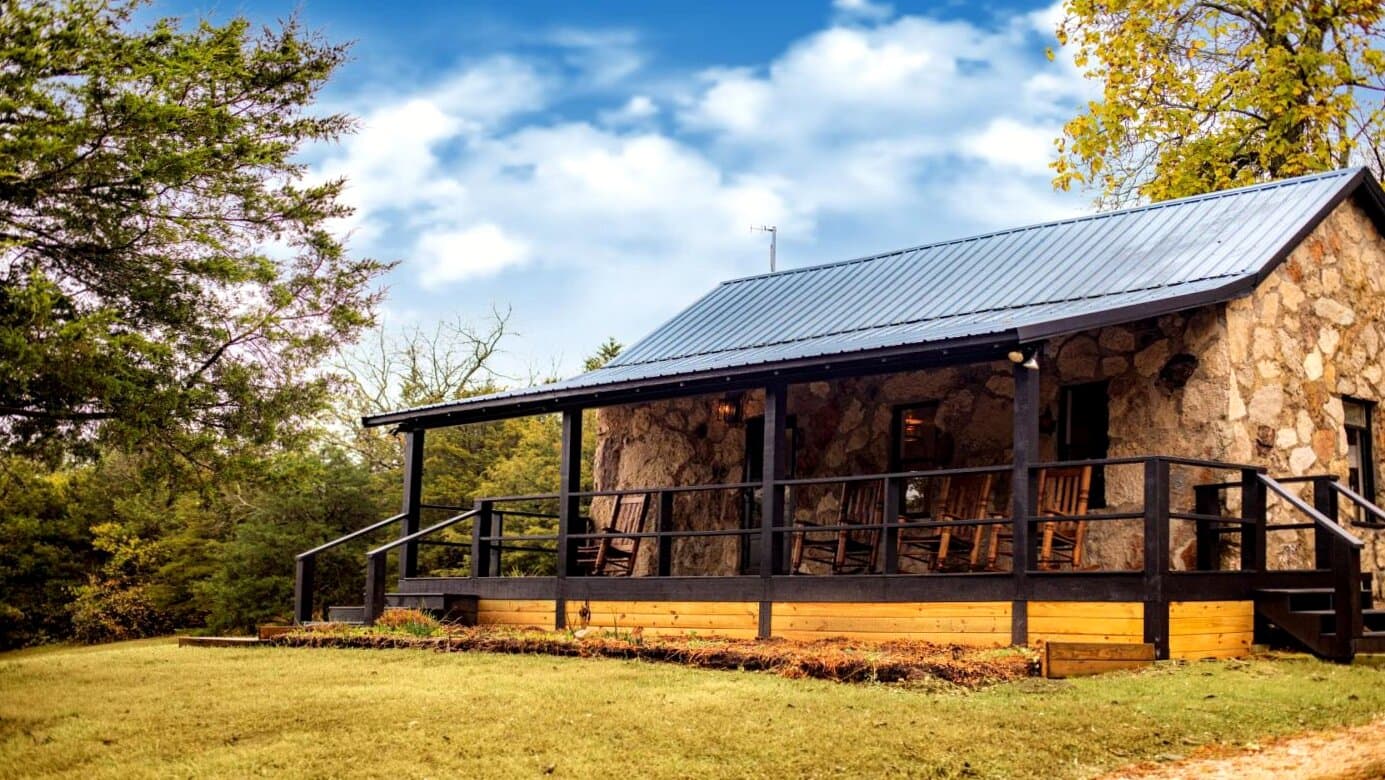
Retreat at Sky Ridge
Eureka Springs, AR
Co-Occurring Disorders
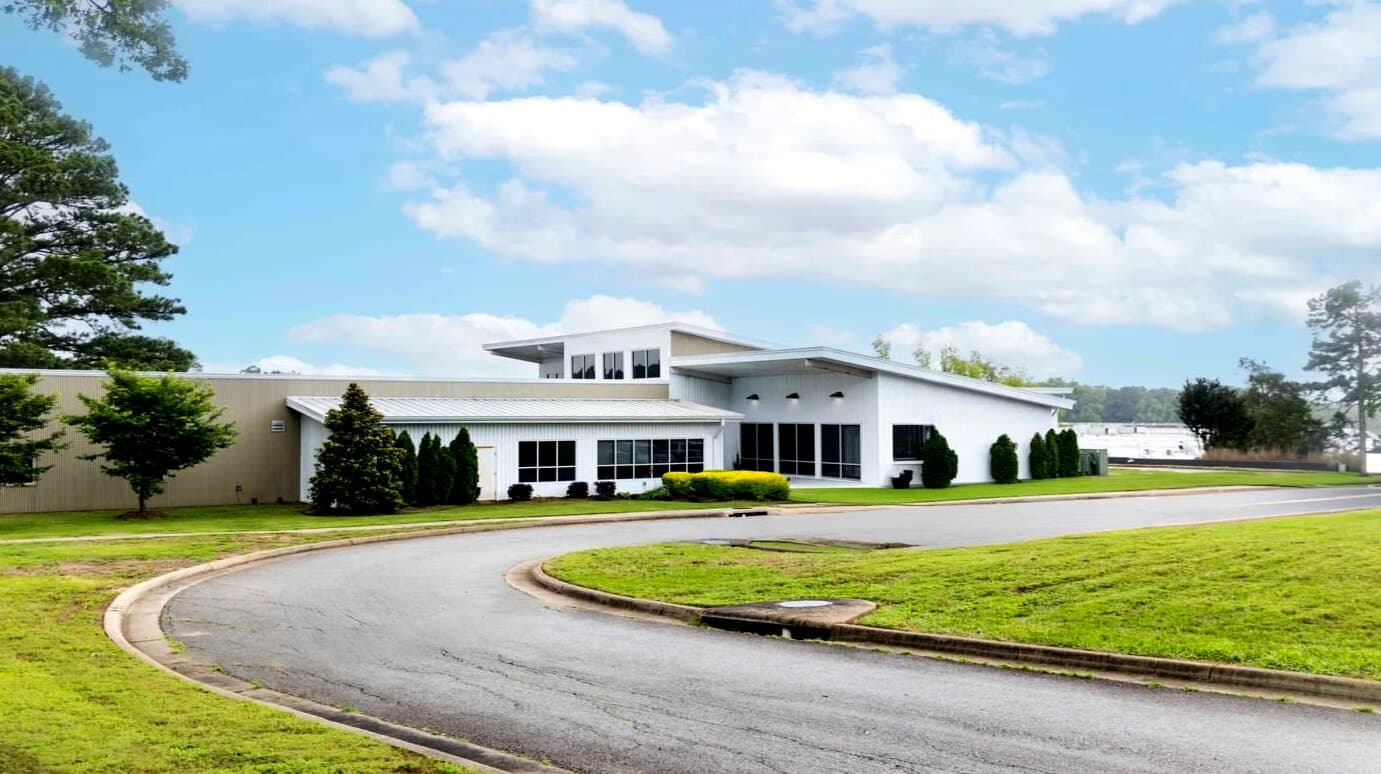
Serenity Park Recovery
Little Rock, AR
AlcoholDrug Addiction
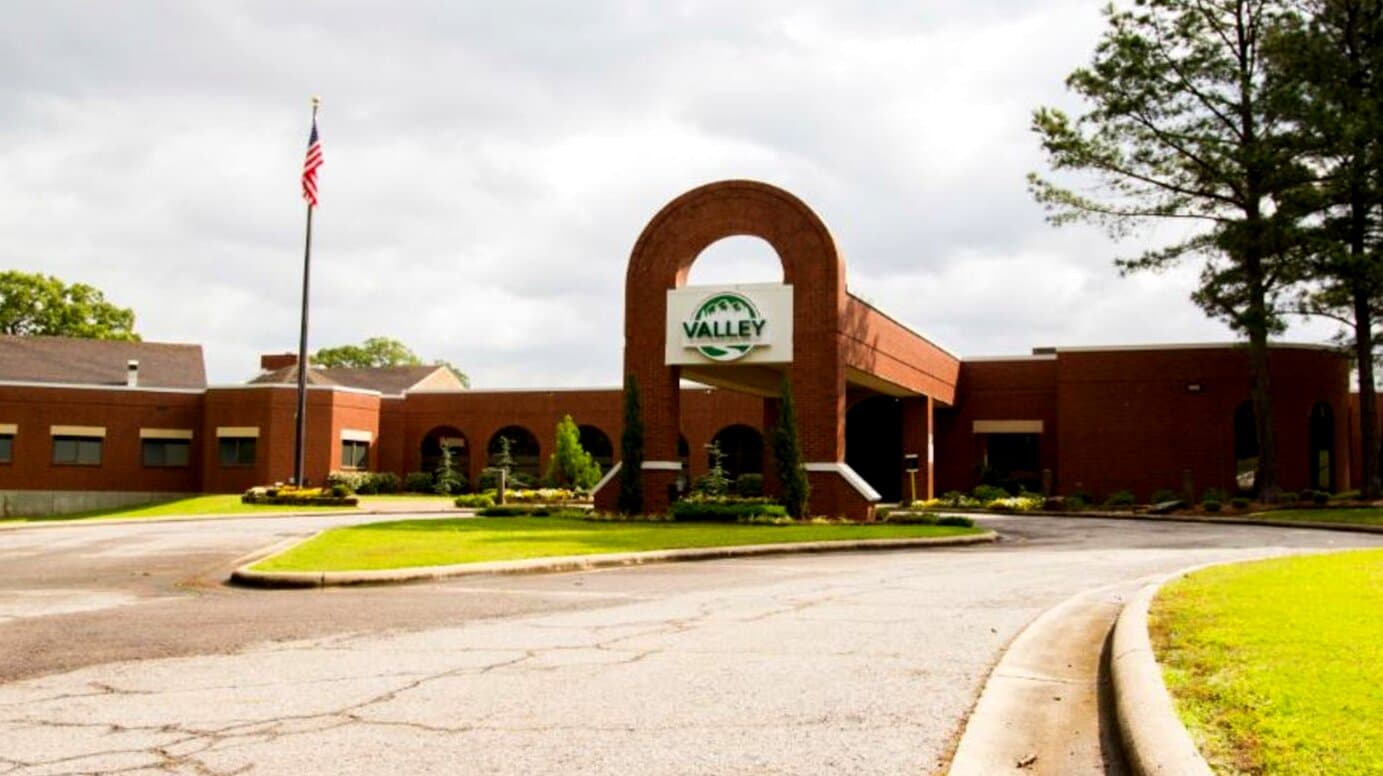
Valley Behavioral Health System
Barling, AR
AdolescentsAnxiety
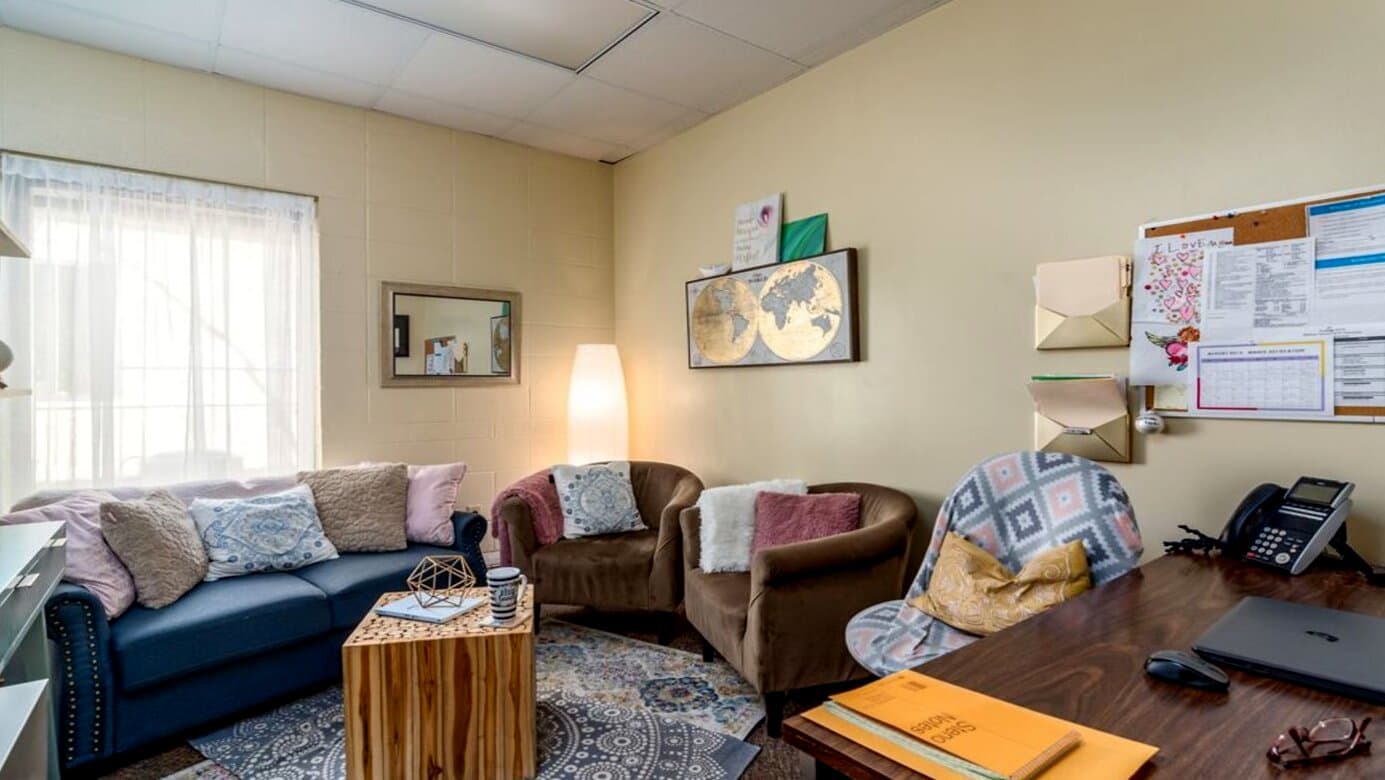
Youth Home
Little Rock, AR
AdolescentsAnxiety
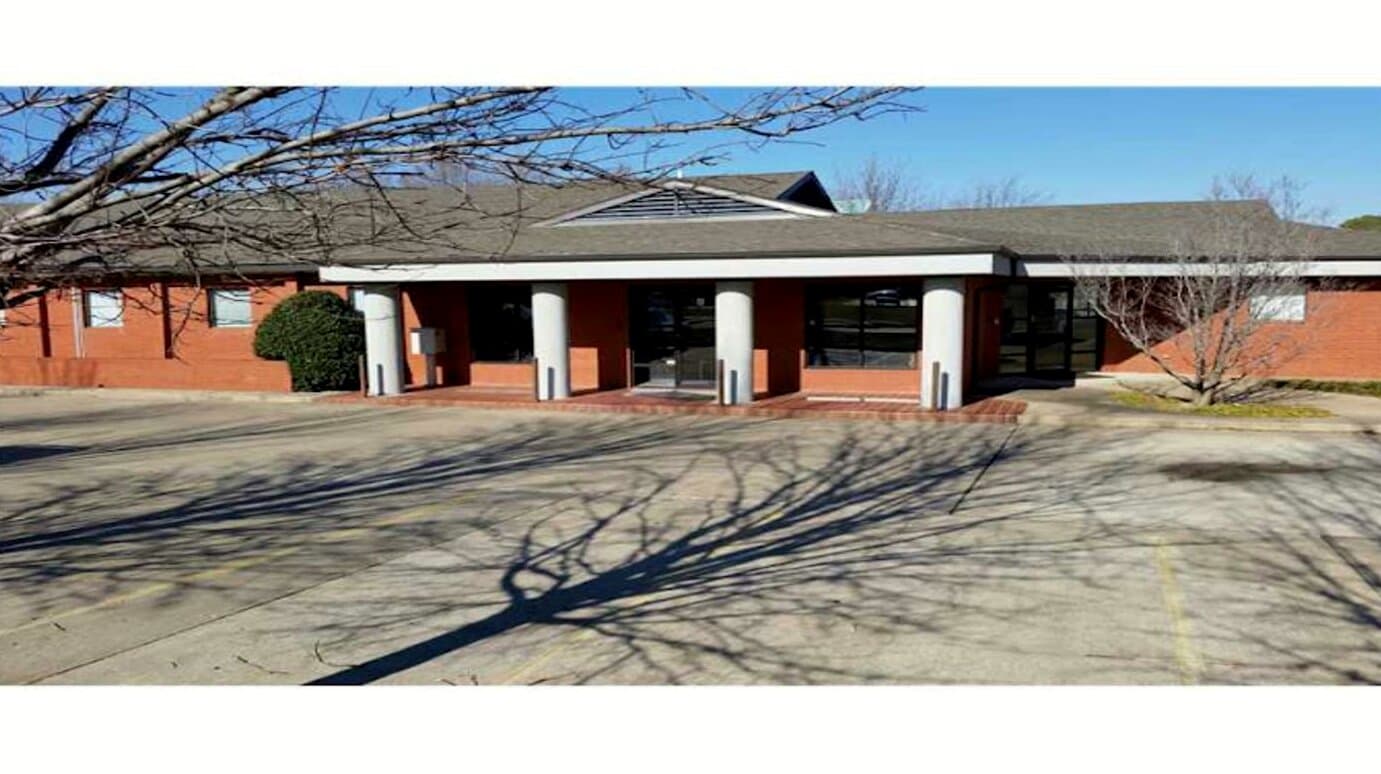
BHG Medical Services - Fayetteville
Fayetteville, AR
Co-Occurring DisordersMedication-Assisted Treatment
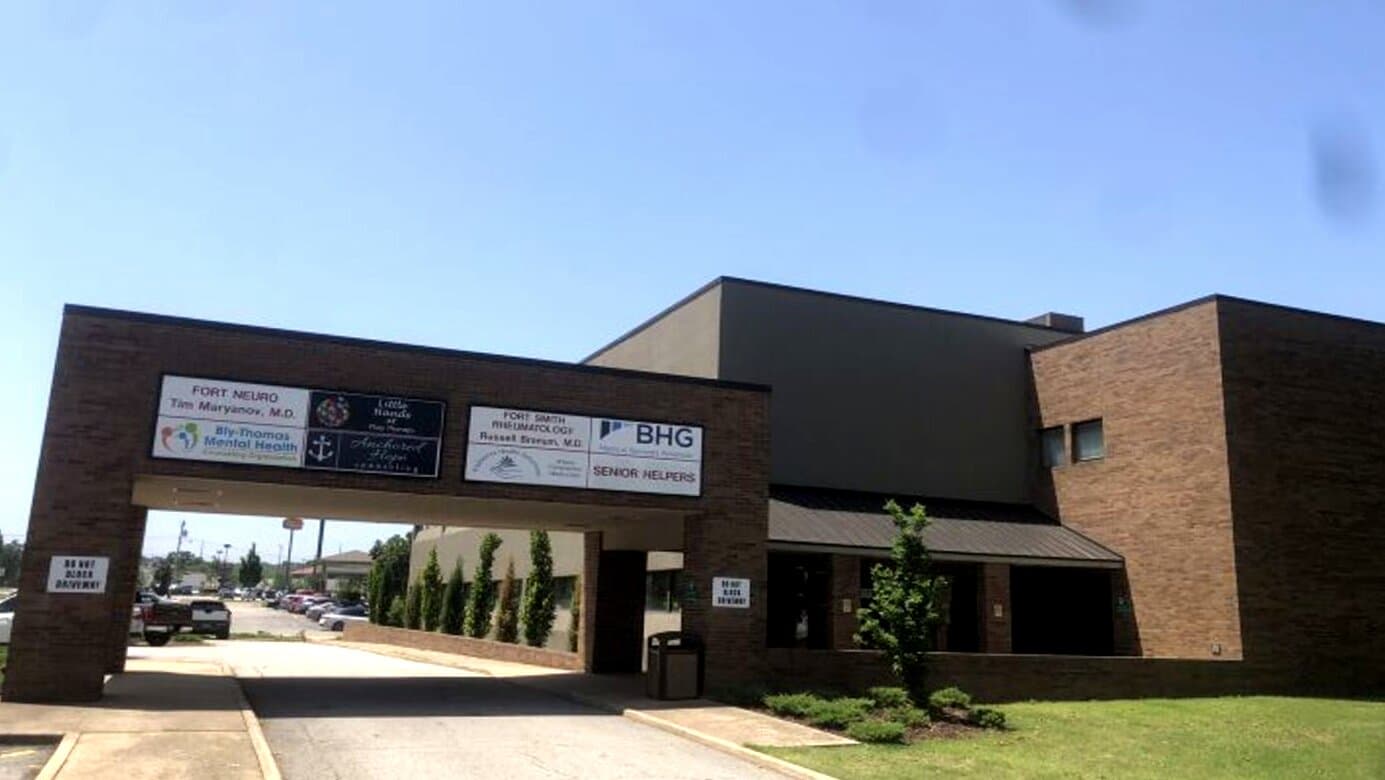
BHG Medical Services - Fort Smith
Fort Smith, AR
Co-Occurring DisordersMedication-Assisted Treatment
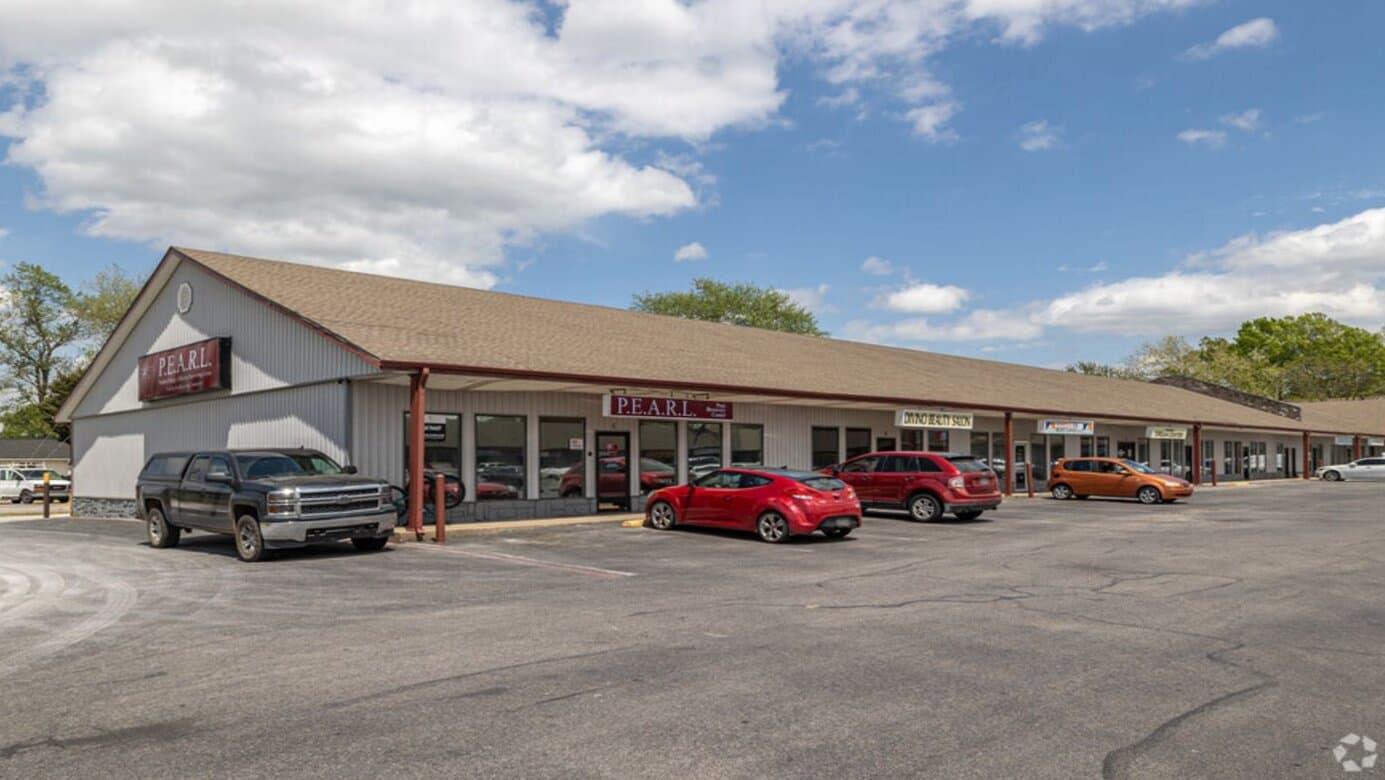
P.E.A.R.L. Peer Recovery Center
Rogers, AR
Recovery Coaching
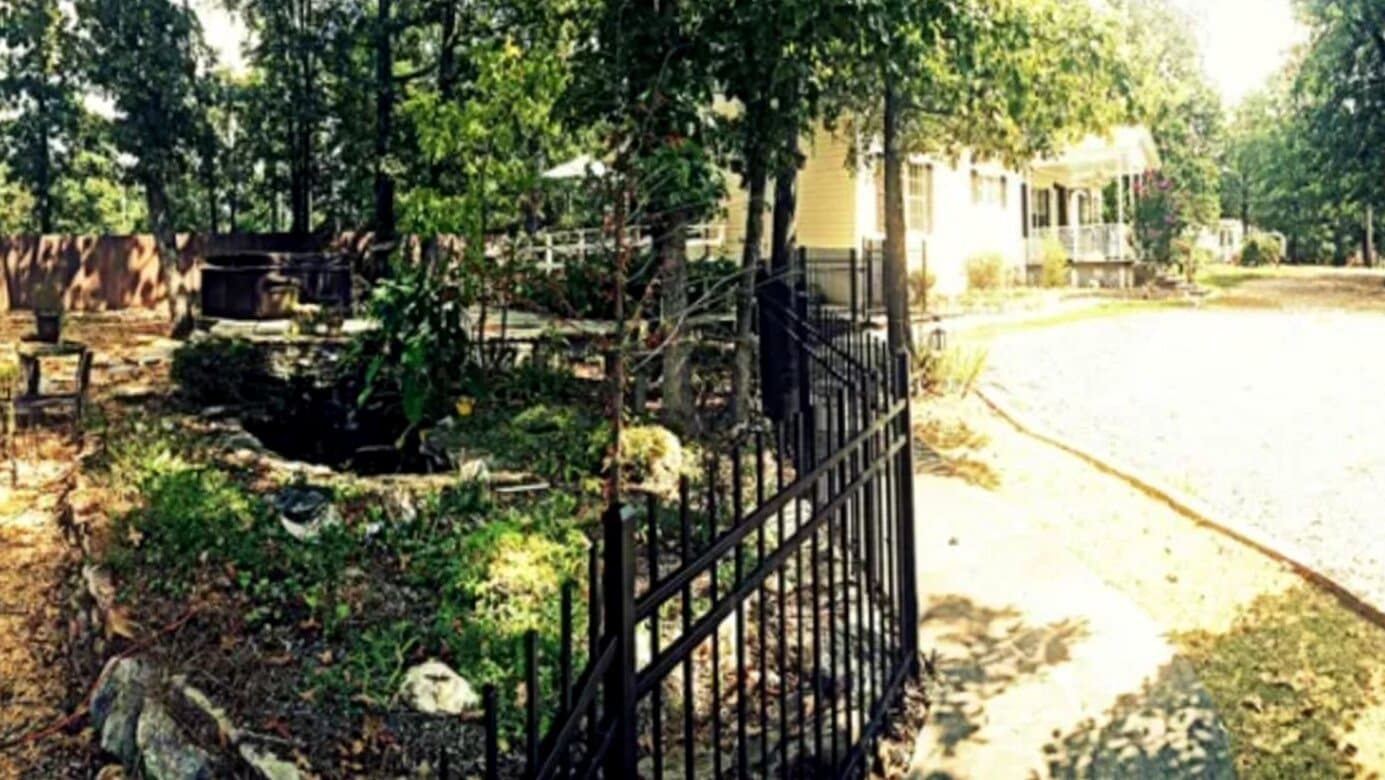
SOZO Addiction Recovery Center
Nathan Ter Jessieville, AR
AlcoholChristian

Wolfe Street Foundation
Little Rock, AR
Recovery CoachingSober Living
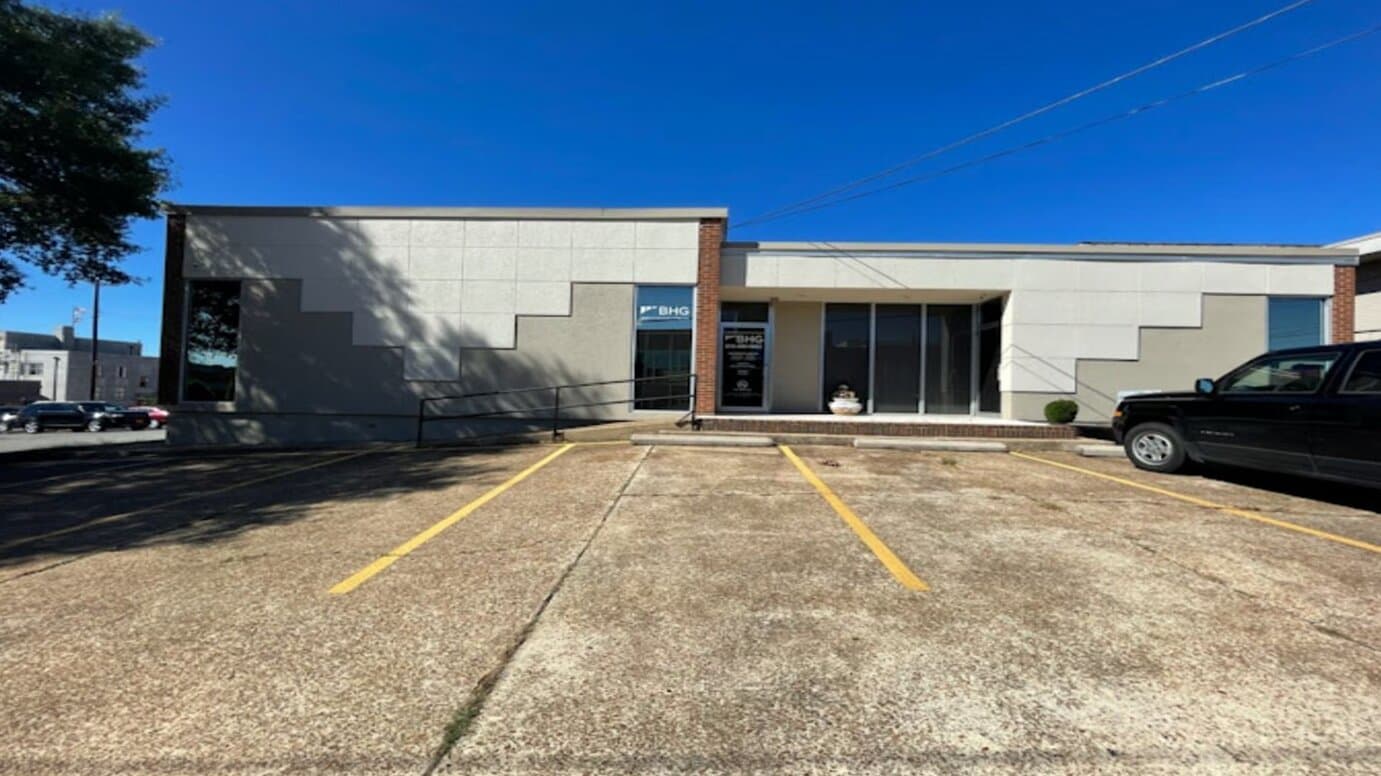
BHG Medical Services - Batesville
Batesville, AR
Co-Occurring DisordersMedication-Assisted Treatment
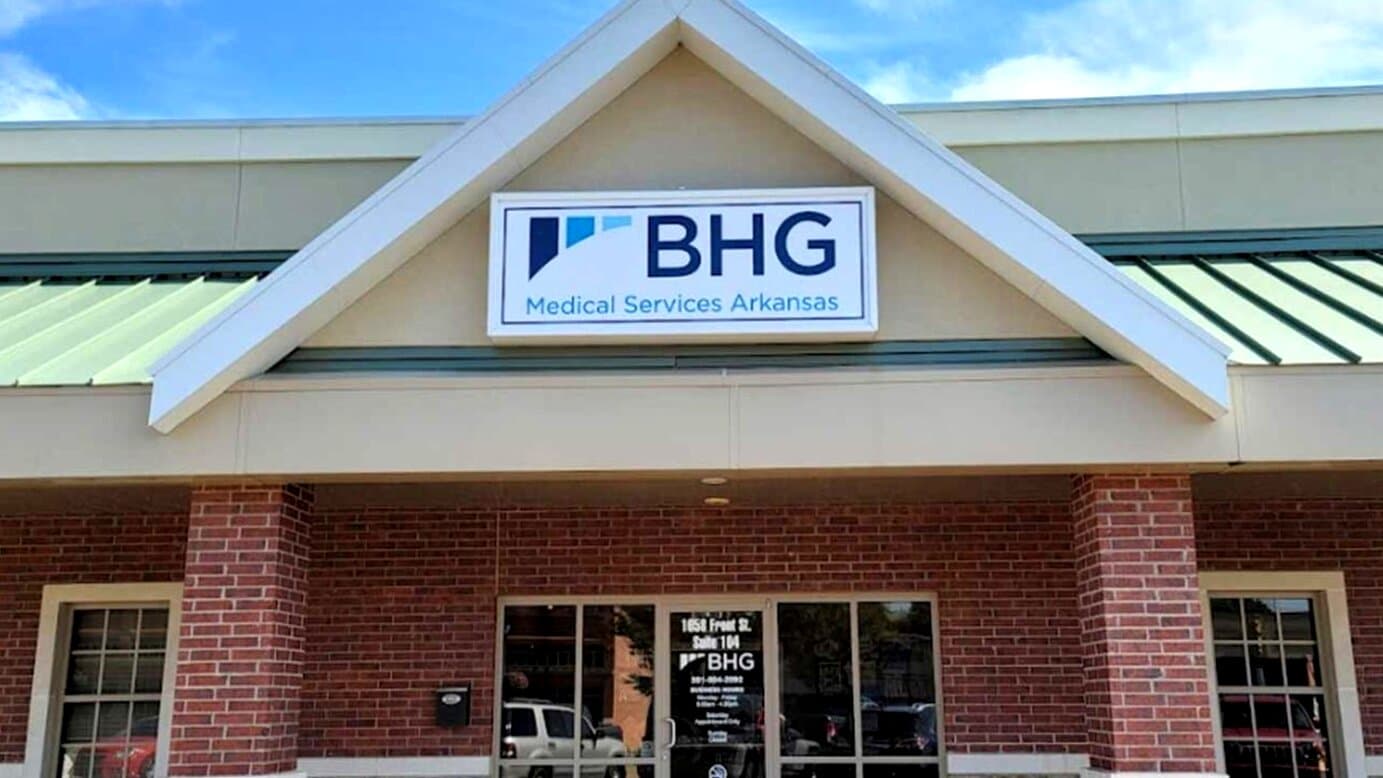
BHG Medical Services - Conway
Conway, AR
Co-Occurring DisordersMedication-Assisted Treatment
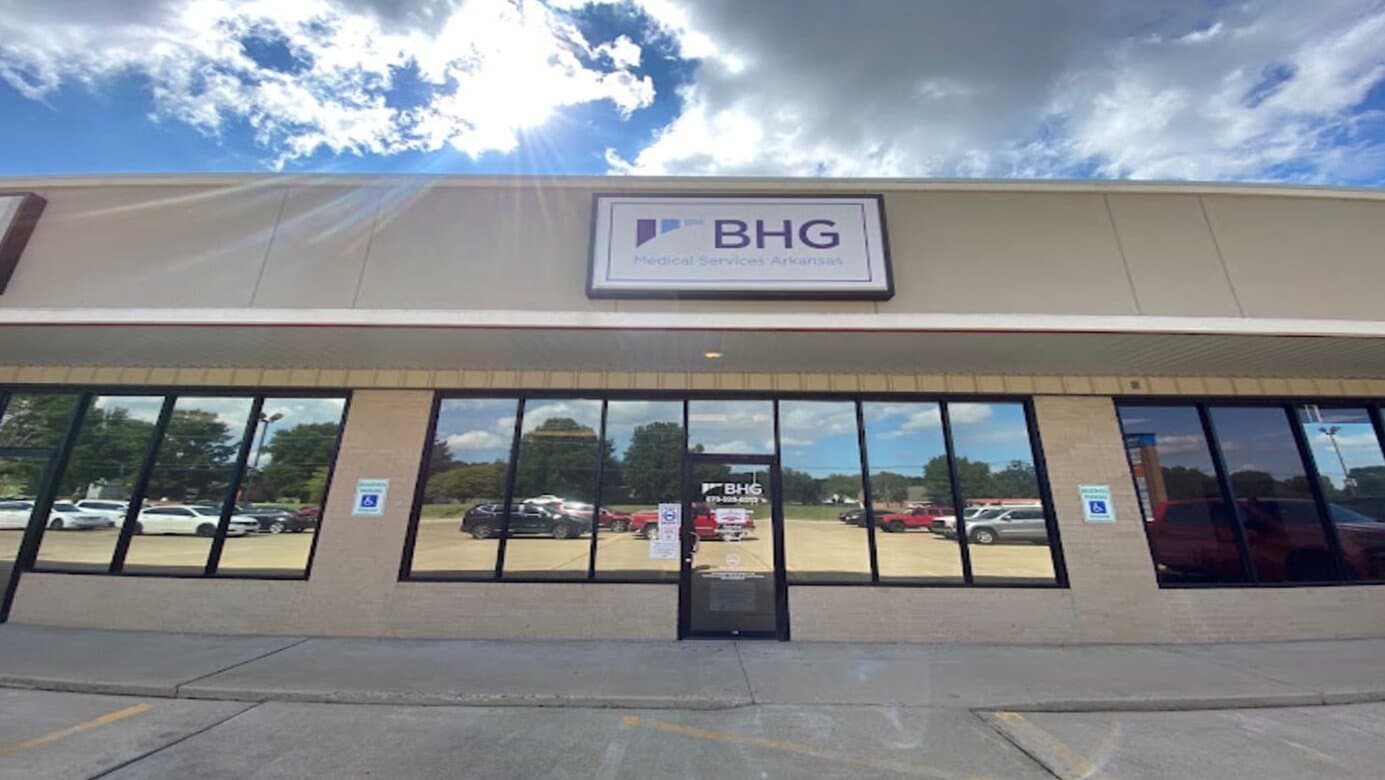
BHG Medical Services - Jonesboro
Jonesboro, AR
Co-Occurring DisordersMedication-Assisted Treatment
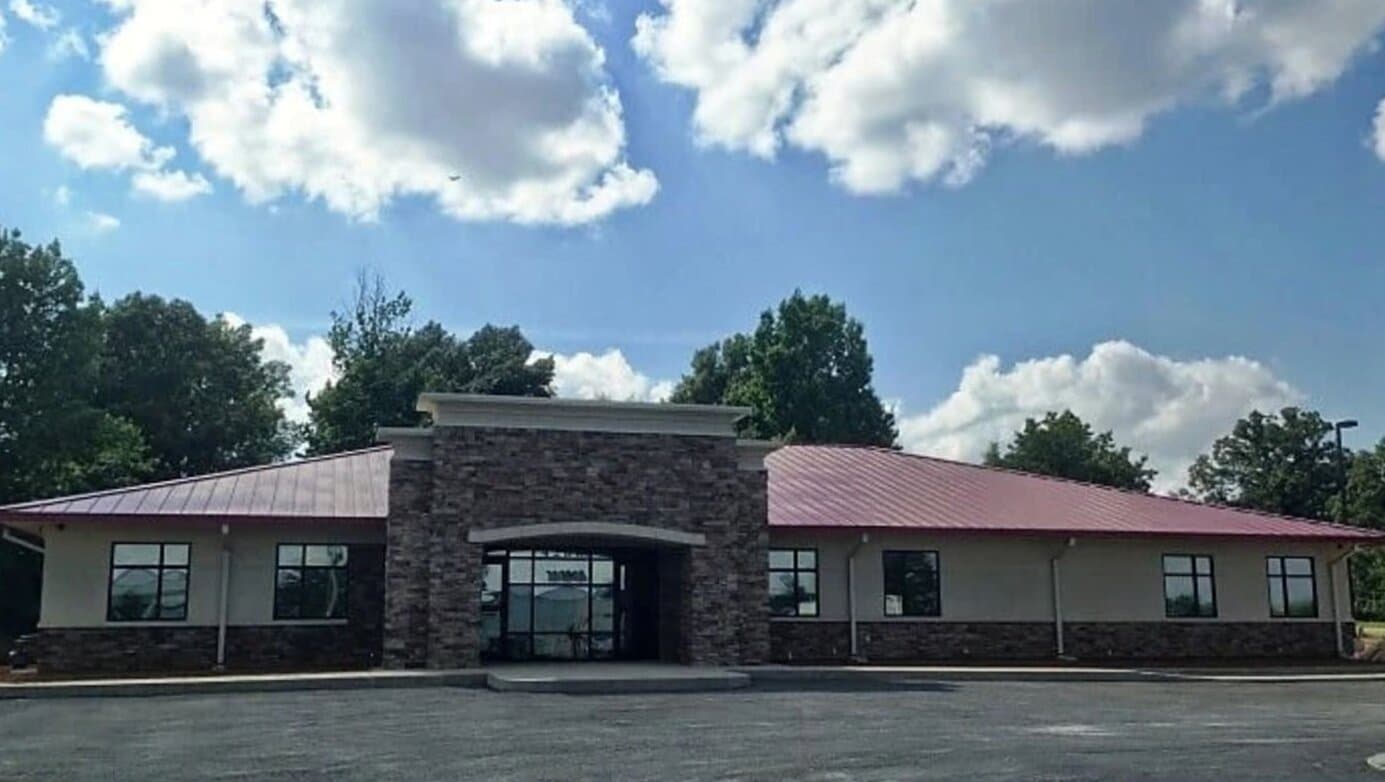
BHG North Little Rock Treatment Center
North Little Rock, AR
Co-Occurring DisordersMedication-Assisted Treatment

Centers for Youth and Families
Monticello, AR
AdolescentsChildren
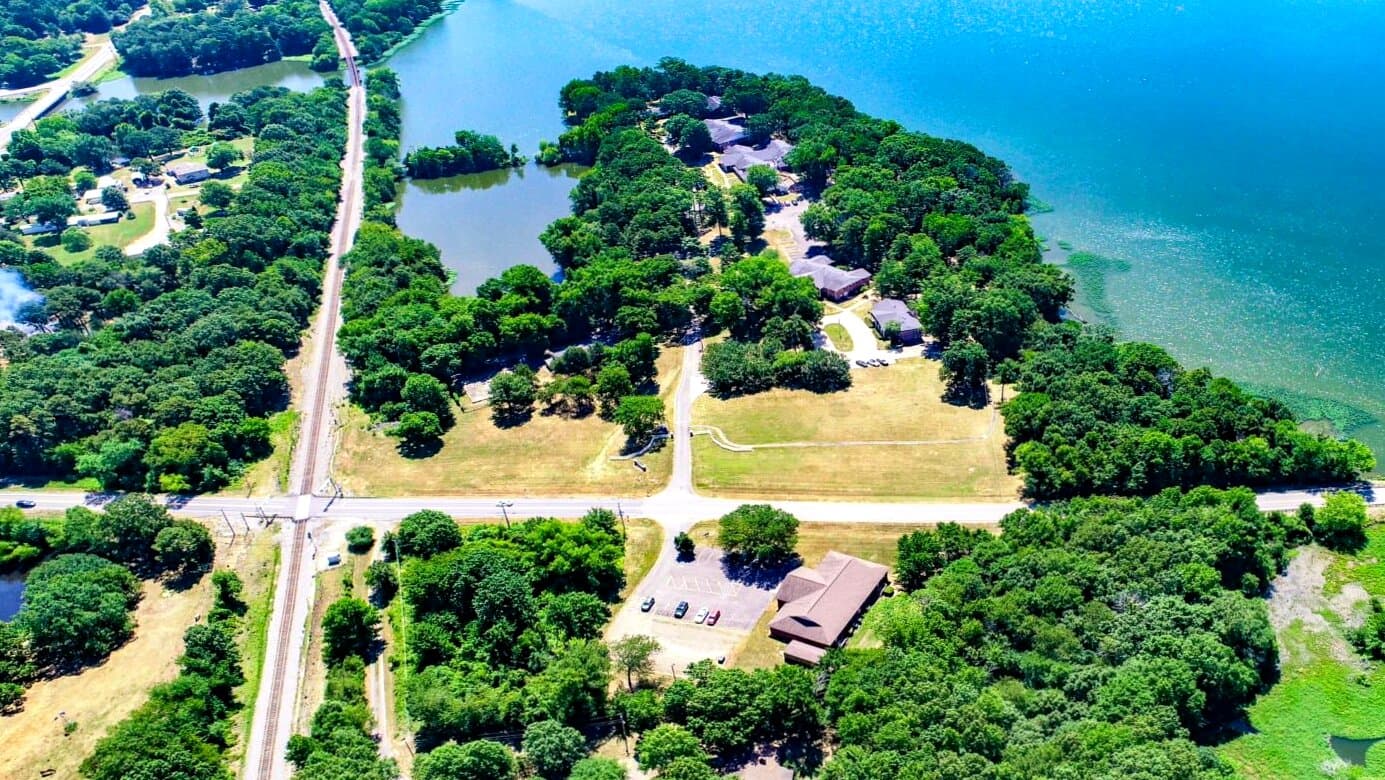
Lake Point Recovery and Wellness
Russellville, AR
AlcoholDrug Addiction
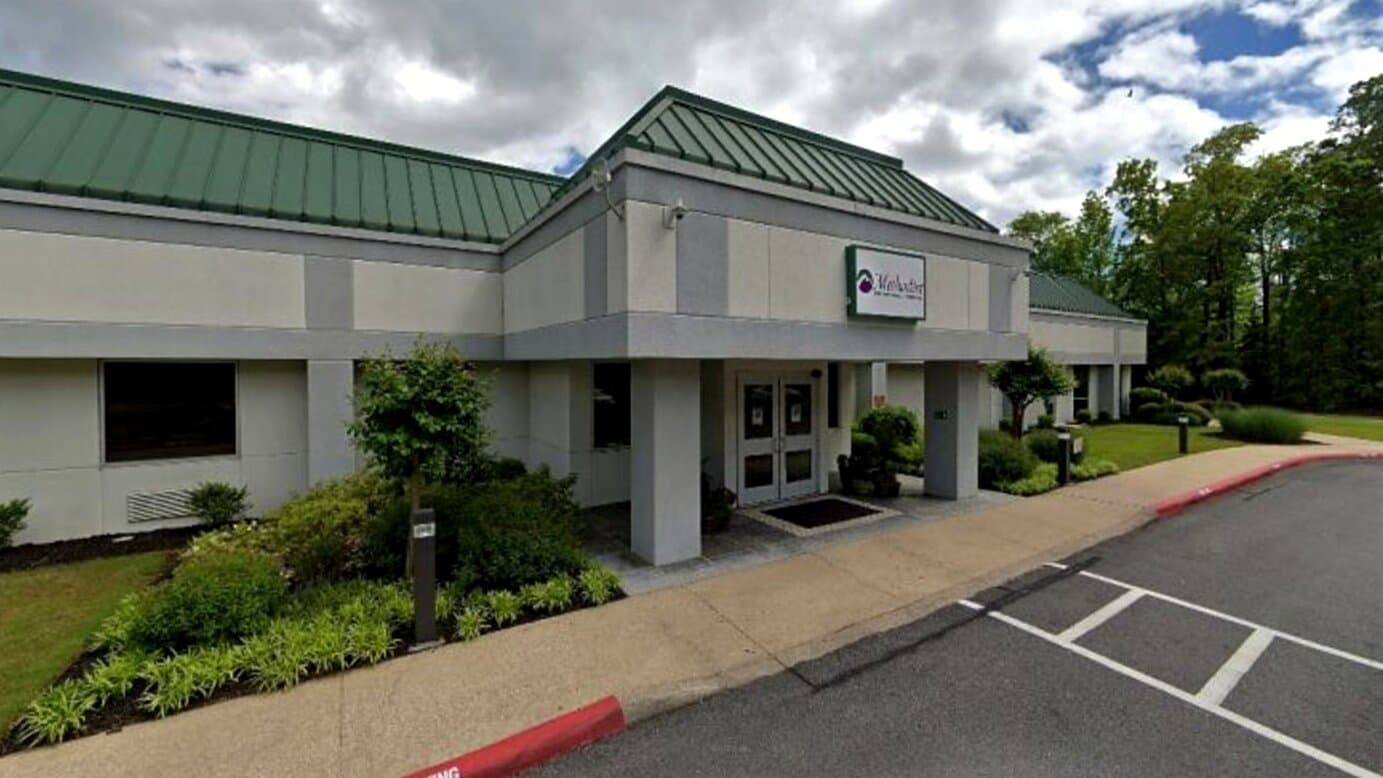
Methodist Behavioral Hospital
Maumelle, AR
AdolescentsAdult-Child Therapy
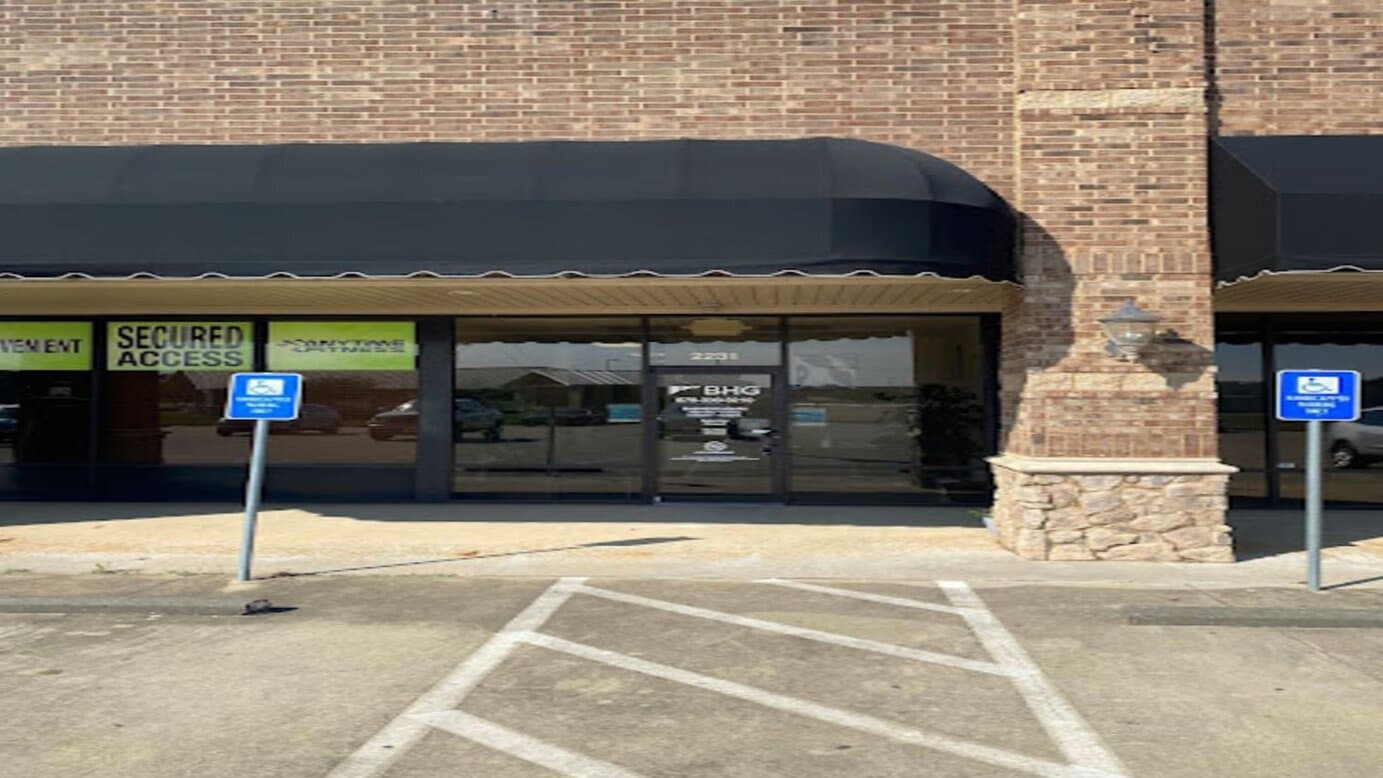
BHG Medical Services - Texarkana
Texarkana, AR
Medication-Assisted TreatmentOpioids
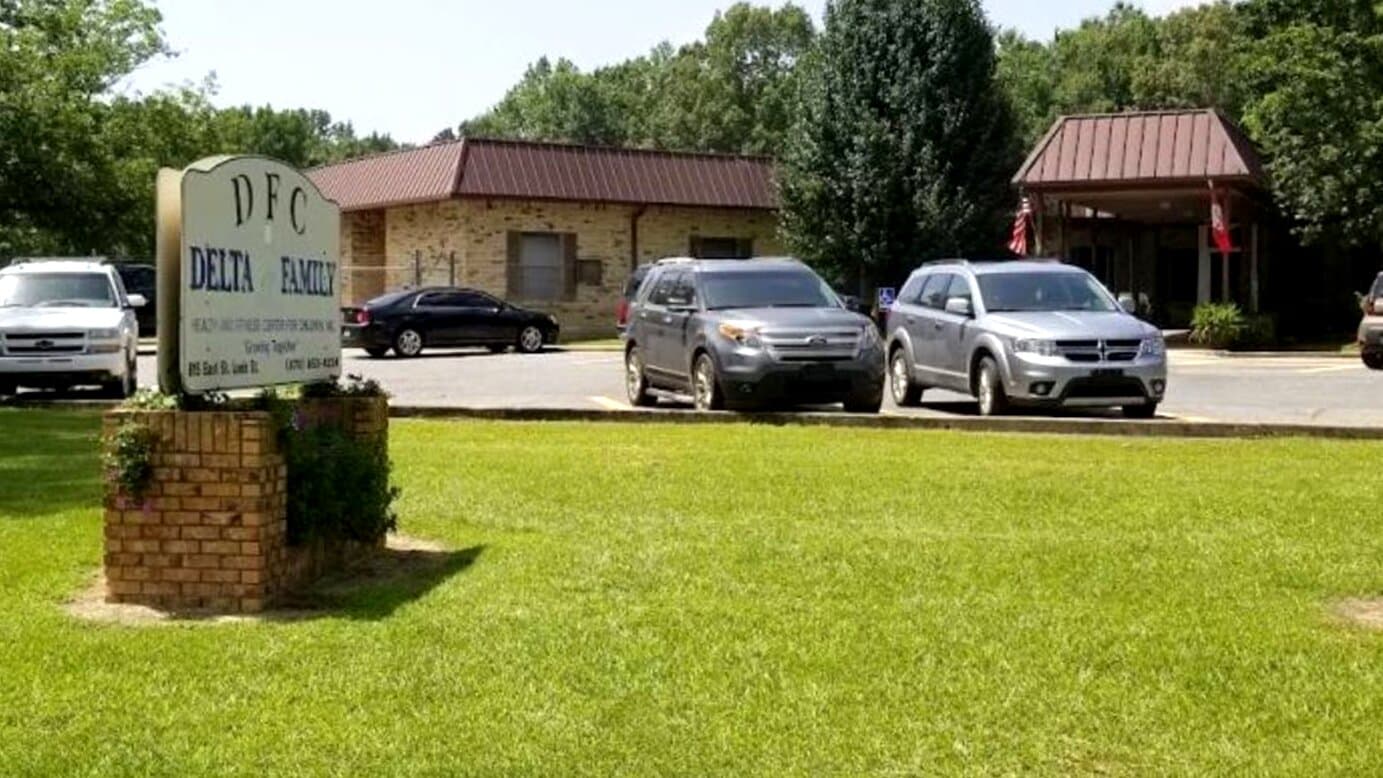
Delta Family Center for Children
Hamburg, AR
AdolescentsChildren

Exodus Life
Little Rock, AR
1-on-1 CounselingCase management service
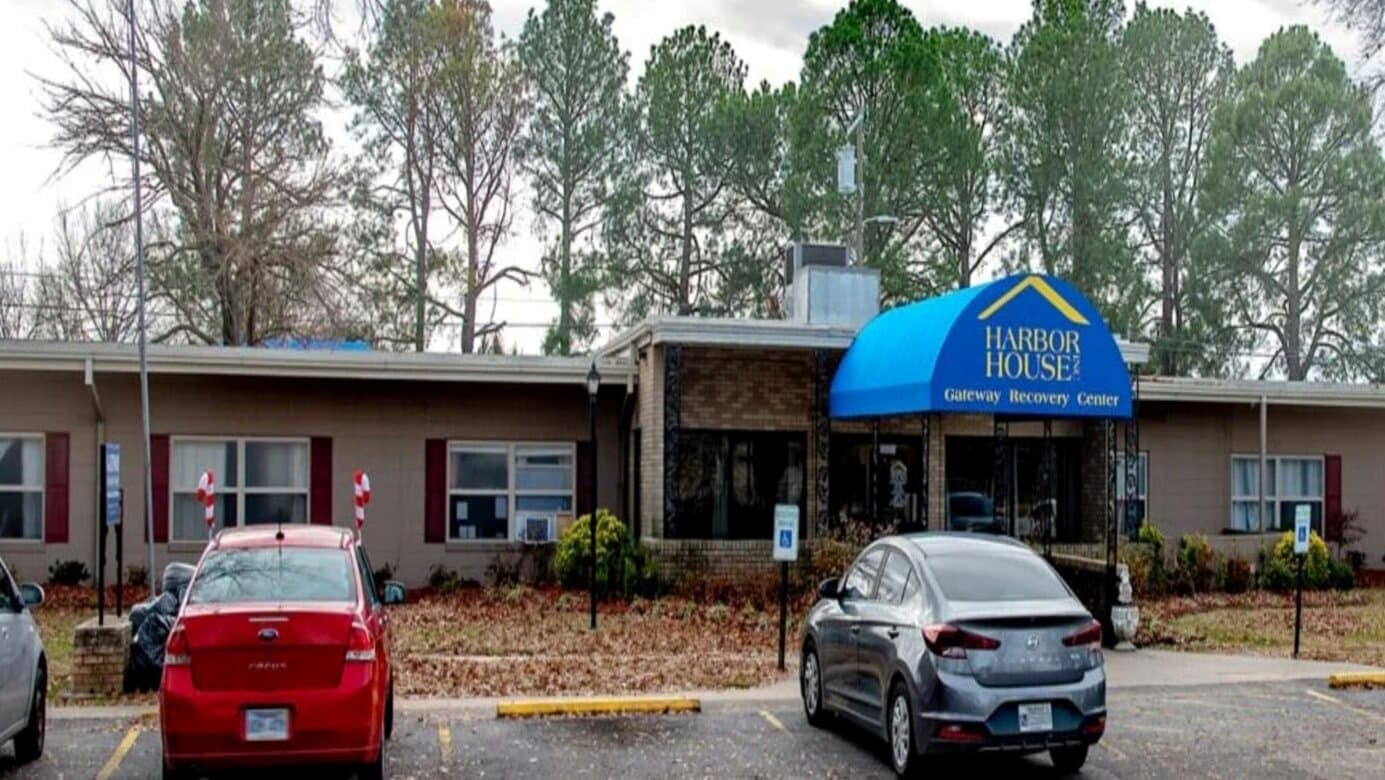
Gateway Recovery Center
Fort Smith, AR
Co-Occurring DisordersDrug Addiction
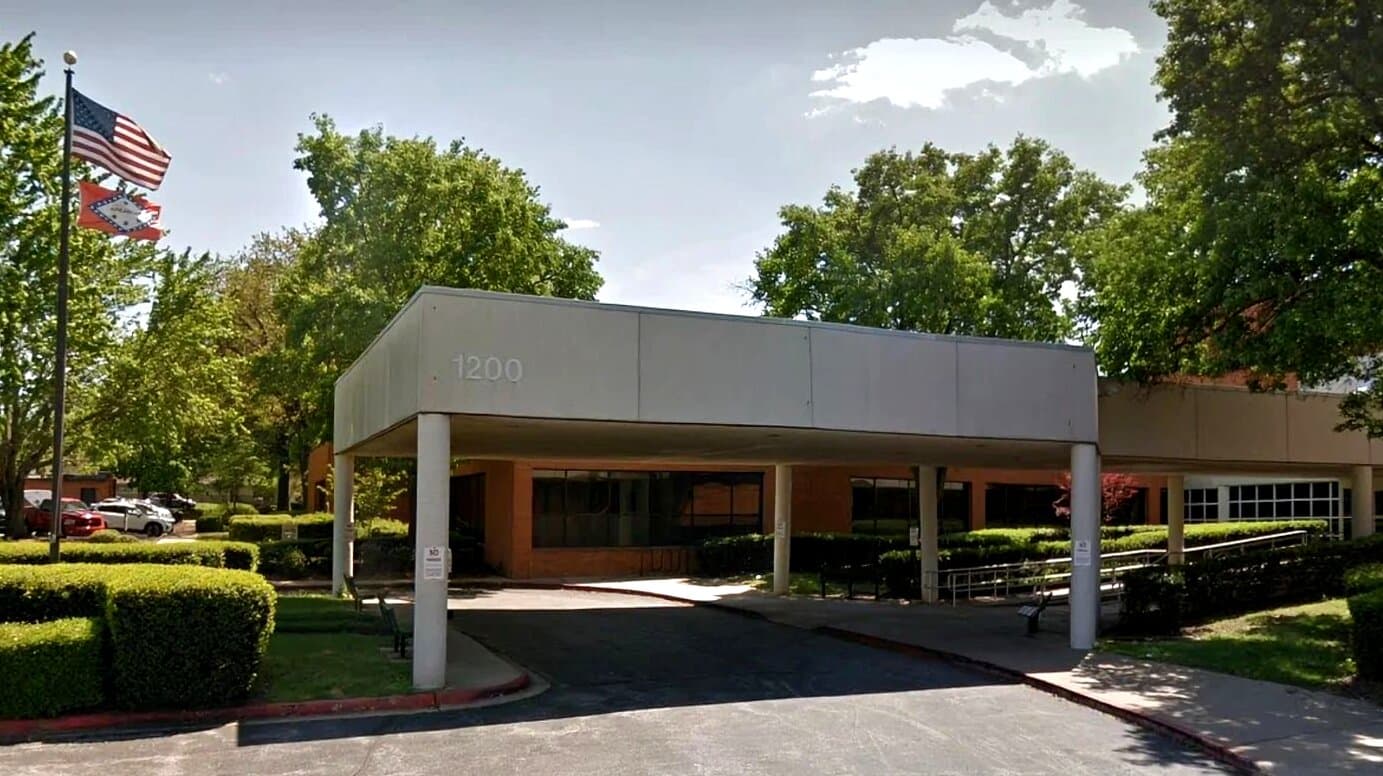
Harbor House Rogers
Rogers, AR
AlcoholCo-Occurring Disorders
MedMark Treatment Centers Springdale
Springdale, AR
Chronic RelapseCo-Occurring Disorders

Methodist Family Health - Fayetteville Counseling Clinic
Fayetteville, AR
AdolescentsAdult-Child Therapy
Methodist Family Health - Heber Springs Counseling Clinic
Heber Springs, AR
AdolescentsAdult-Child Therapy

Methodist Family Health - Hot Springs Counseling Clinic
Hot Springs, AR
AdolescentsAdult-Child Therapy

Methodist Family Health - Jonesboro Counseling Clinic
Jonesboro, AR
AdolescentsAdult-Child Therapy
Methodist Family Health - Little Rock Counseling Clinic
Little Rock, AR
AdolescentsAdult-Child Therapy
Methodist Family Health - Magnolia Counseling Clinic
Magnolia, AR
AdolescentsAdult-Child Therapy
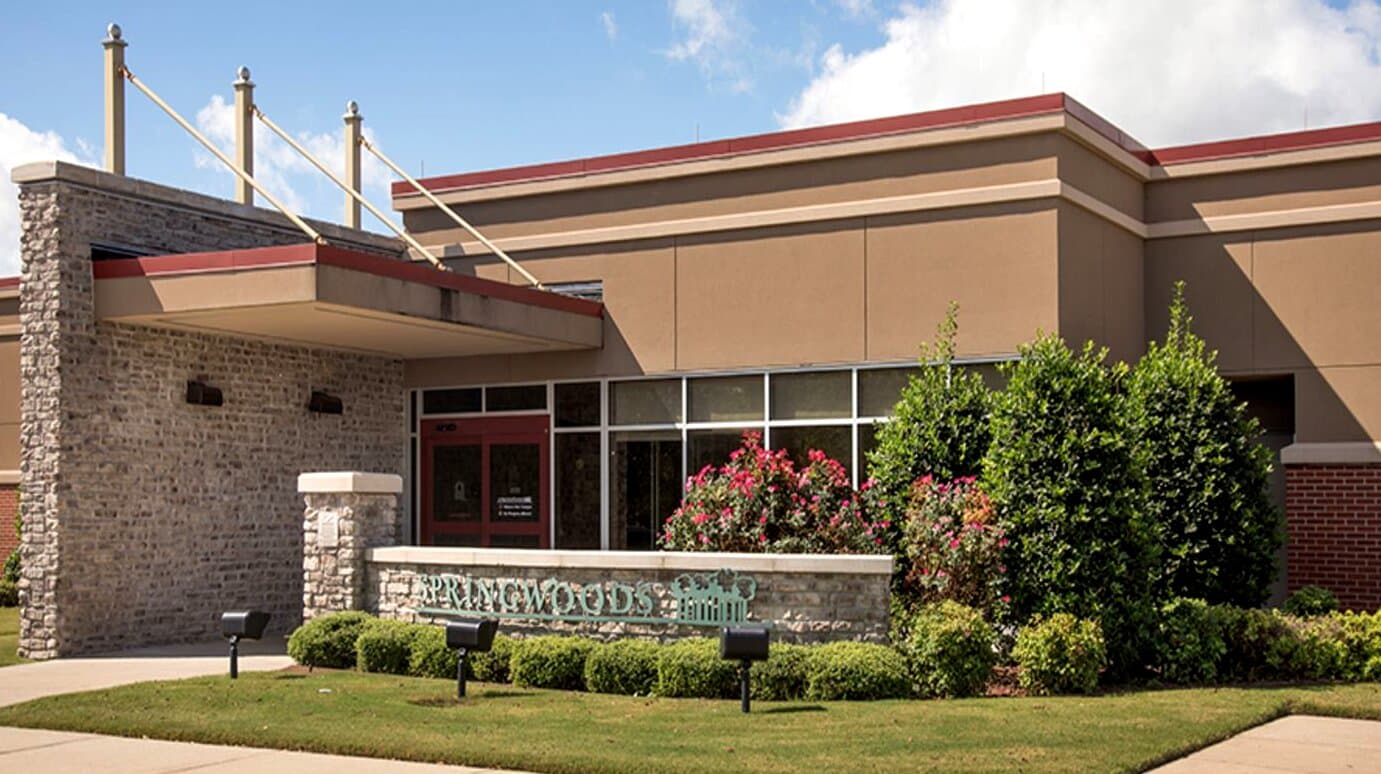
Springwoods Behavioral Health
Fayetteville, AR
AdolescentsAnxiety

Treatment Homes
Little Rock, AR
What Is Dual Diagnosis Treatment?
Dual diagnosis treatment — also called co-occurring disorder treatment — addresses substance use and a mental health condition at the same time. Depression, anxiety, bipolar disorder, PTSD, and ADHD frequently occur alongside addiction, and each condition can worsen the other.
Treating only the addiction while leaving a mental health condition unmanaged is a common cause of relapse. Dual diagnosis programs combine psychiatric care, addiction treatment, and therapy into one coordinated plan so both conditions improve together.
Arkansas faces challenges with methamphetamine and opioid addiction, with limited treatment options in many rural communities. Choosing dual diagnosis treatment in Arkansas keeps treatment close to your support network and connects you with programs familiar with local insurance and resources.
Who Dual Diagnosis Treatment Is Right For
- People living with both addiction and a mental health condition
- Those whose anxiety, depression, or trauma fuels substance use
- Anyone who has relapsed after addiction-only treatment
- Individuals needing psychiatric medication management
- Families seeking coordinated mental health and recovery care
What to Expect
- A comprehensive psychiatric and substance use assessment
- An integrated treatment plan addressing both conditions
- Therapy such as CBT and DBT alongside addiction counseling
- Psychiatric medication management where appropriate
- Aftercare that supports both recovery and mental wellness
Paying for Dual Diagnosis Treatment in Arkansas
Federal parity law requires most health plans to cover mental health and substance use care comparably, so dual diagnosis treatment is typically covered by private insurance, Medicaid, and Medicare.
Residents of Arkansas can pay for treatment through private insurance, Medicaid, Medicare, sliding-scale fees, payment plans, or state-funded programs. Cost should never be a barrier to care — call +1 (239) 241-8393 and we will verify your coverage for free.
Other Treatment Options in Arkansas
Dual Diagnosis Treatment is one level of care along a continuum. Explore other types of addiction treatment available in Arkansas:
Dual Diagnosis Treatment in Arkansas: FAQ
What is dual diagnosis treatment?+
Dual diagnosis treatment — also called co-occurring disorder treatment — addresses substance use and a mental health condition at the same time. Depression, anxiety, bipolar disorder, PTSD, and ADHD frequently occur alongside addiction, and each condition can worsen the other.
How do I find dual diagnosis treatment in Arkansas?+
This page lists 39 facilities offering dual diagnosis treatment in Arkansas. Compare each center on the conditions it treats, accreditation, and the services it provides, then contact the facility directly — or call our free 24/7 helpline for personalized guidance and insurance verification.
How much does dual diagnosis treatment cost in Arkansas?+
The cost of dual diagnosis treatment in Arkansas depends on the program, its length, and the amenities offered. Federal parity law requires most health plans to cover mental health and substance use care comparably, so dual diagnosis treatment is typically covered by private insurance, Medicaid, and Medicare. Many Arkansas centers also offer payment plans, sliding-scale fees, and scholarships. Call us for a clear cost estimate before you commit.
Does insurance cover dual diagnosis treatment in Arkansas?+
Yes. Under the Affordable Care Act and federal parity law, most health plans — including private insurance, Arkansas Medicaid, and Medicare — must cover medically necessary addiction treatment. Coverage depends on your specific plan; we verify benefits for free and confidentially.
Can I travel outside Arkansas for treatment?+
Yes. Many people choose to attend dual diagnosis treatment in another state for greater privacy, a change of environment, or access to a specialized program. Our helpline can help you compare Arkansas options with out-of-state centers and coordinate admission either way.
Find Dual Diagnosis Treatment in Arkansas Today
Our compassionate team is available 24/7 to answer questions about dual diagnosis treatment, verify your insurance, and match you with the right Arkansas treatment center — free and completely confidential.
In an emergency, call 911. For free, confidential national support, contact SAMHSA's helpline at 1-800-662-4357 or dial 988 for the Suicide & Crisis Lifeline.