Loading...
Dual Diagnosis Treatment in South Carolina
41 facilities offering dual diagnosis treatment in South Carolina
Integrated care that treats addiction and co-occurring mental health conditions together.
Dual Diagnosis Treatment Centers in South Carolina
Showing 41 of 41
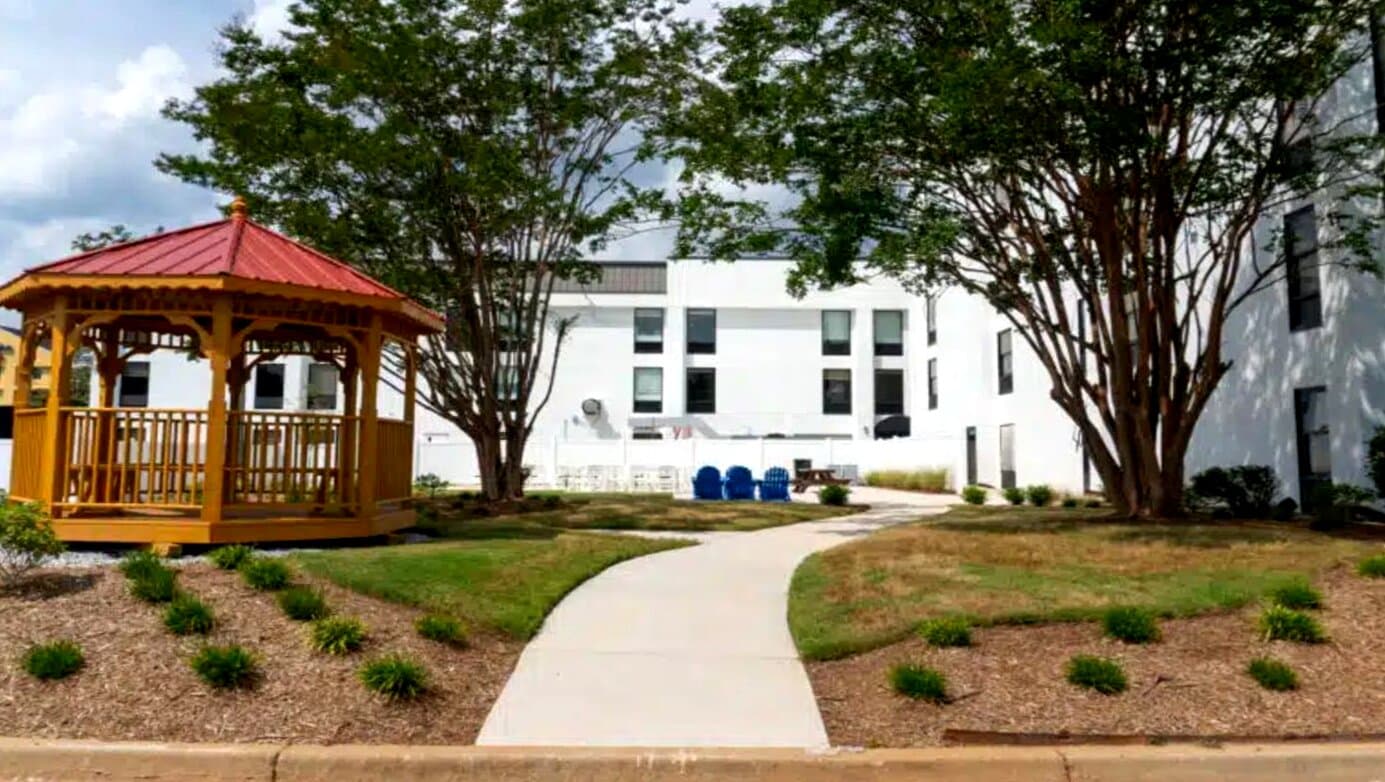
Recovery Centers of America at Greenville
Greenville, SC
Co-Occurring DisordersDetox
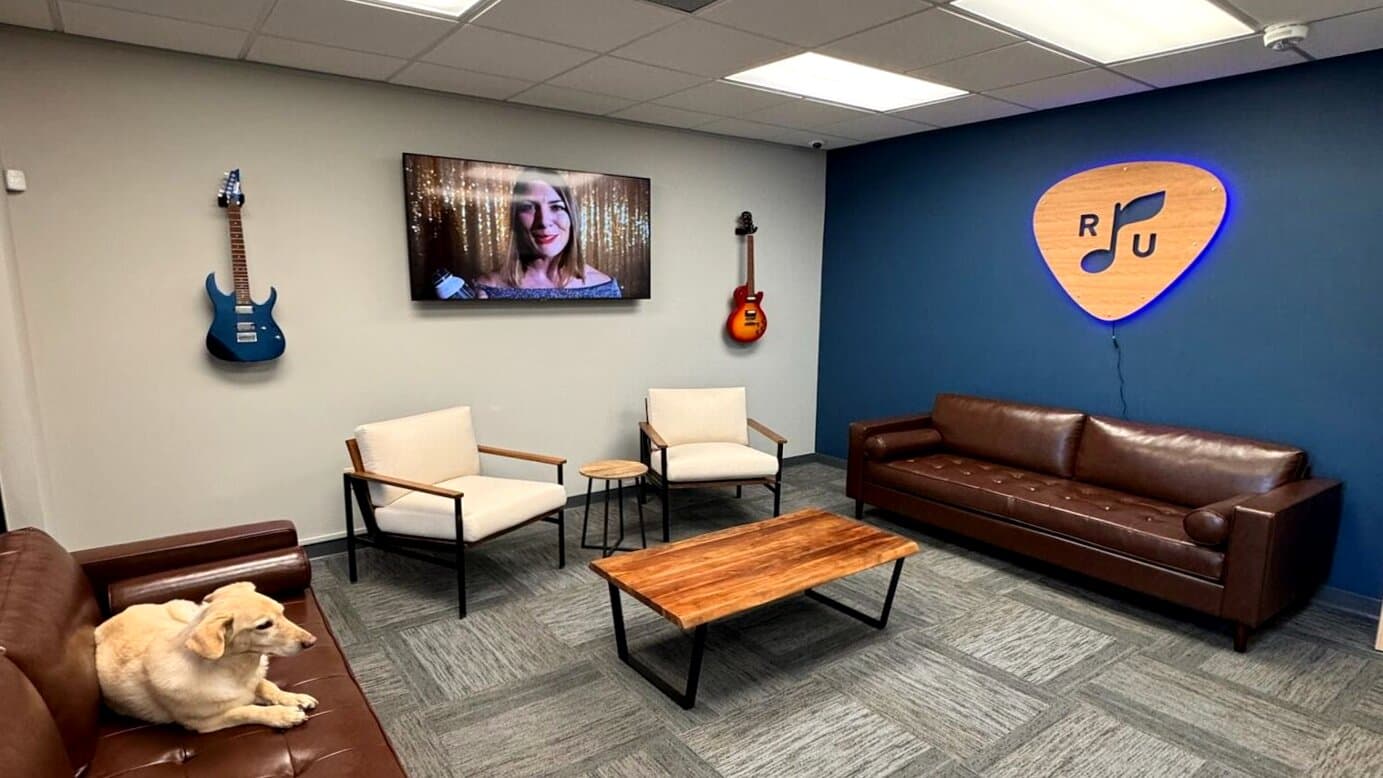
Recovery Unplugged South Carolina
North Charleston, SC
1-on-1 CounselingAlcohol
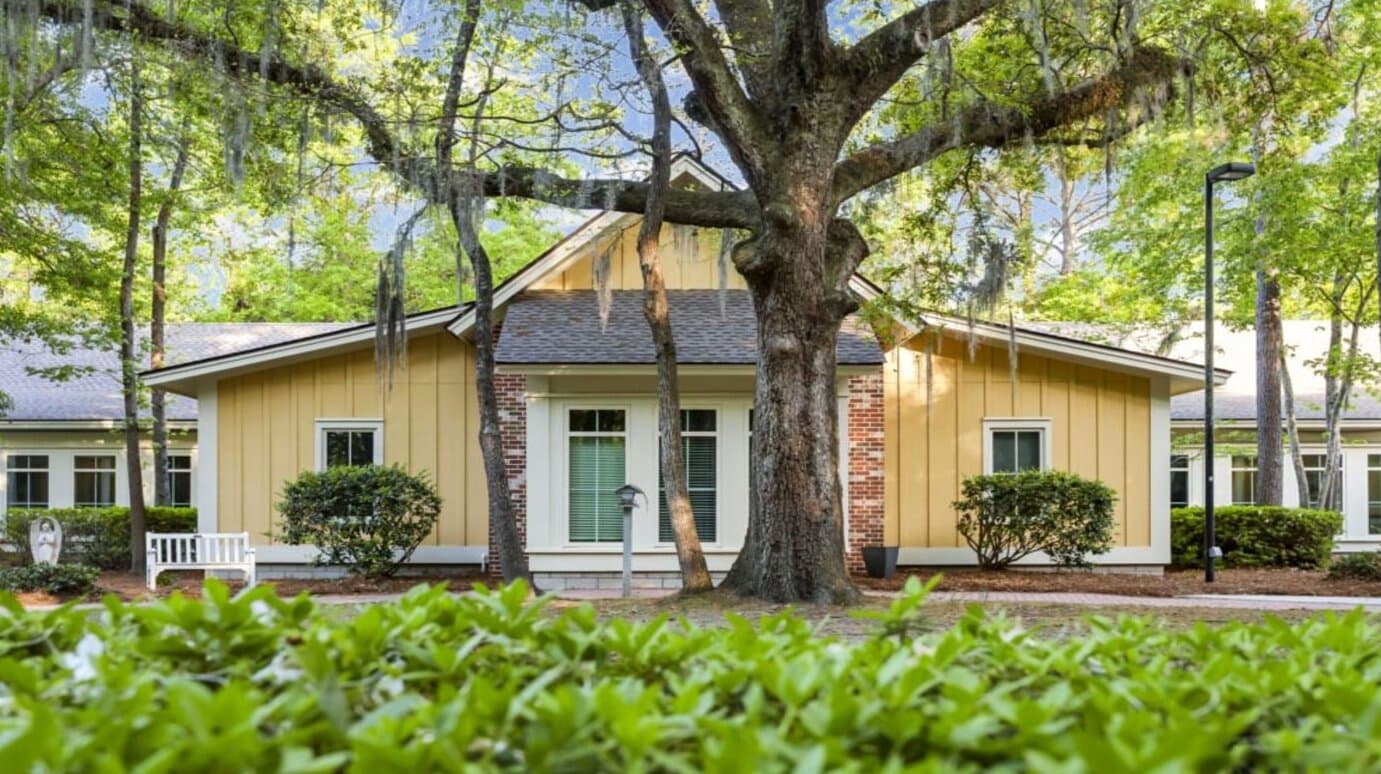
Sea Grove Recovery
Mt. Pleasant, SC
Co-Occurring DisordersCognitive Behavioral Therapy
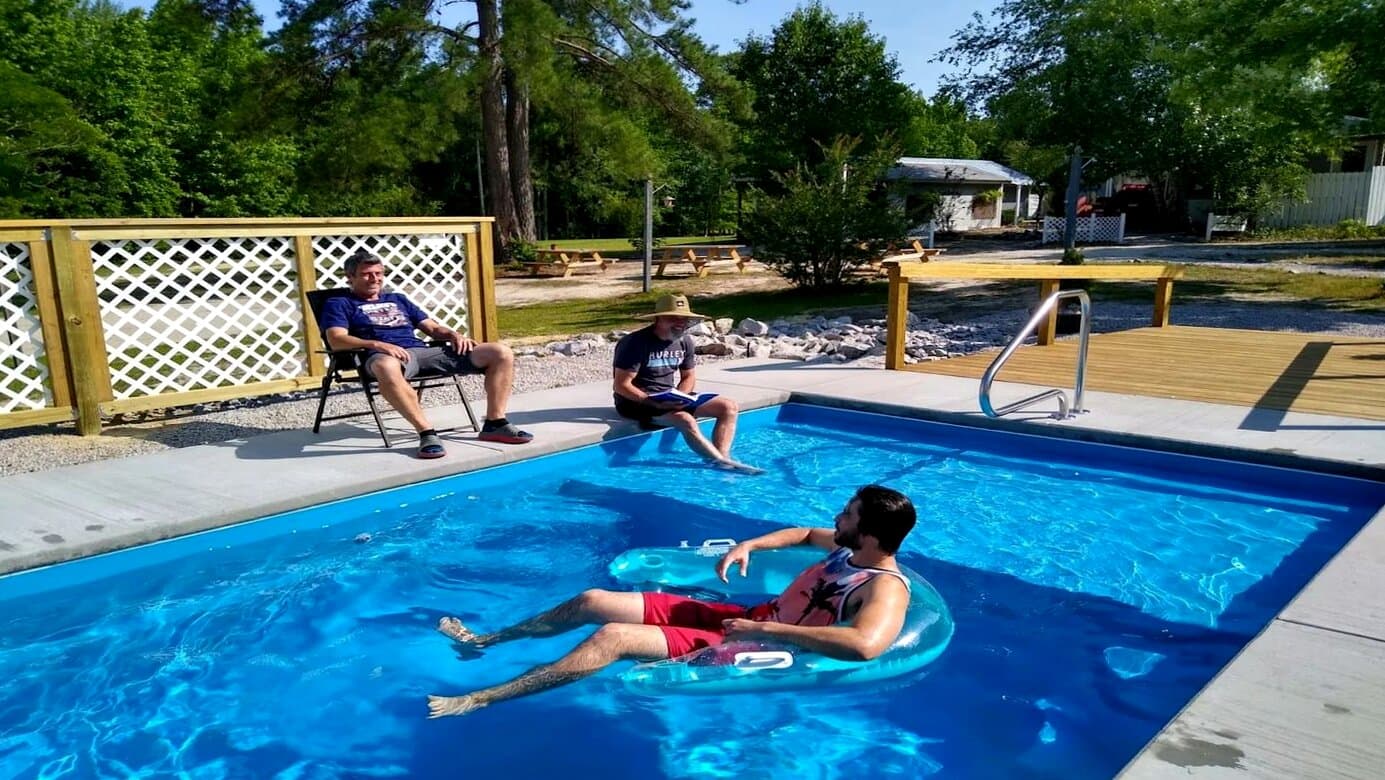
Ace Recovery for Men
Chesterfield, SC
AlcoholCo-Occurring Disorders
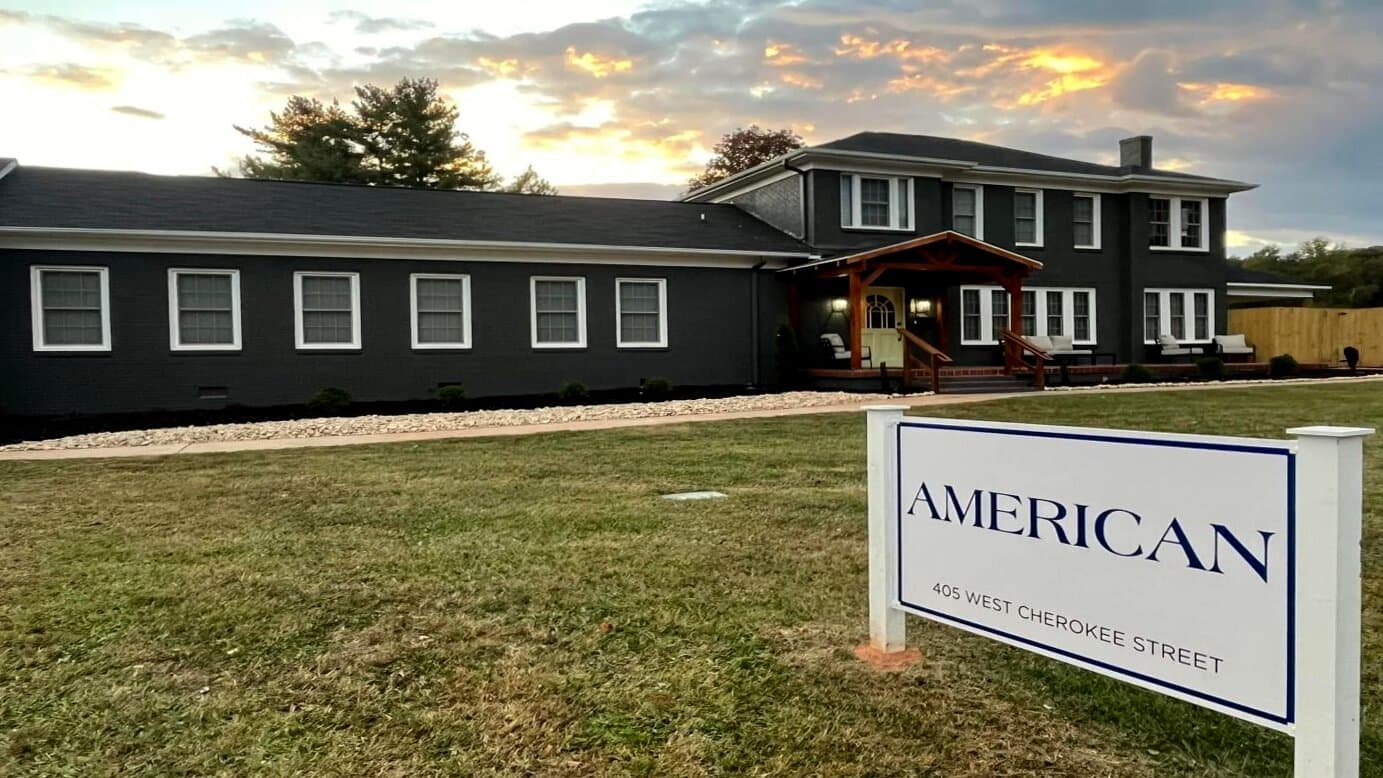
American Detox and Residential Treatment Center
Chesnee, SC
First Responders ProgramVeterans
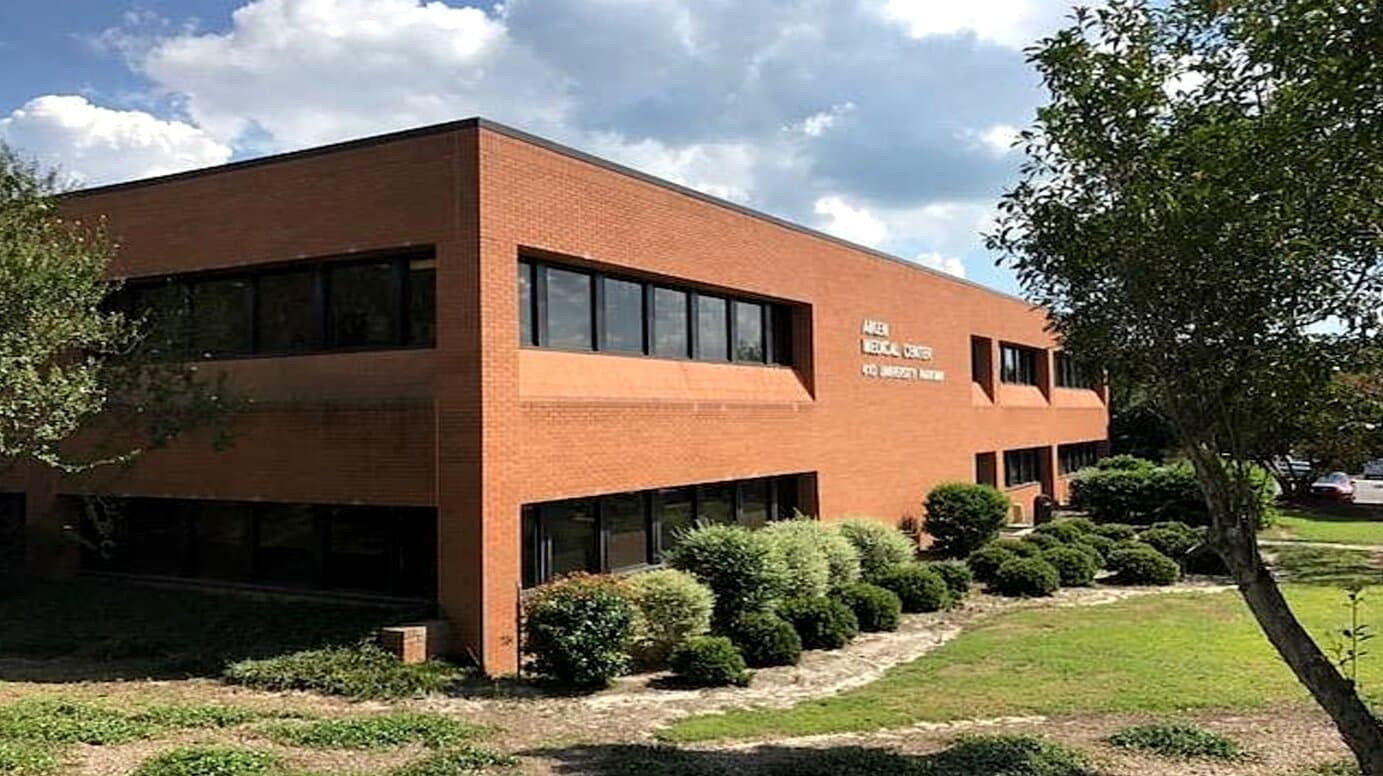
BHG Aiken Treatment Center
Aiken, SC
Co-Occurring DisordersMedication-Assisted Treatment

BriteLife Recovery South Carolina
Hilton Head Island, SC
Co-Occurring Disorders
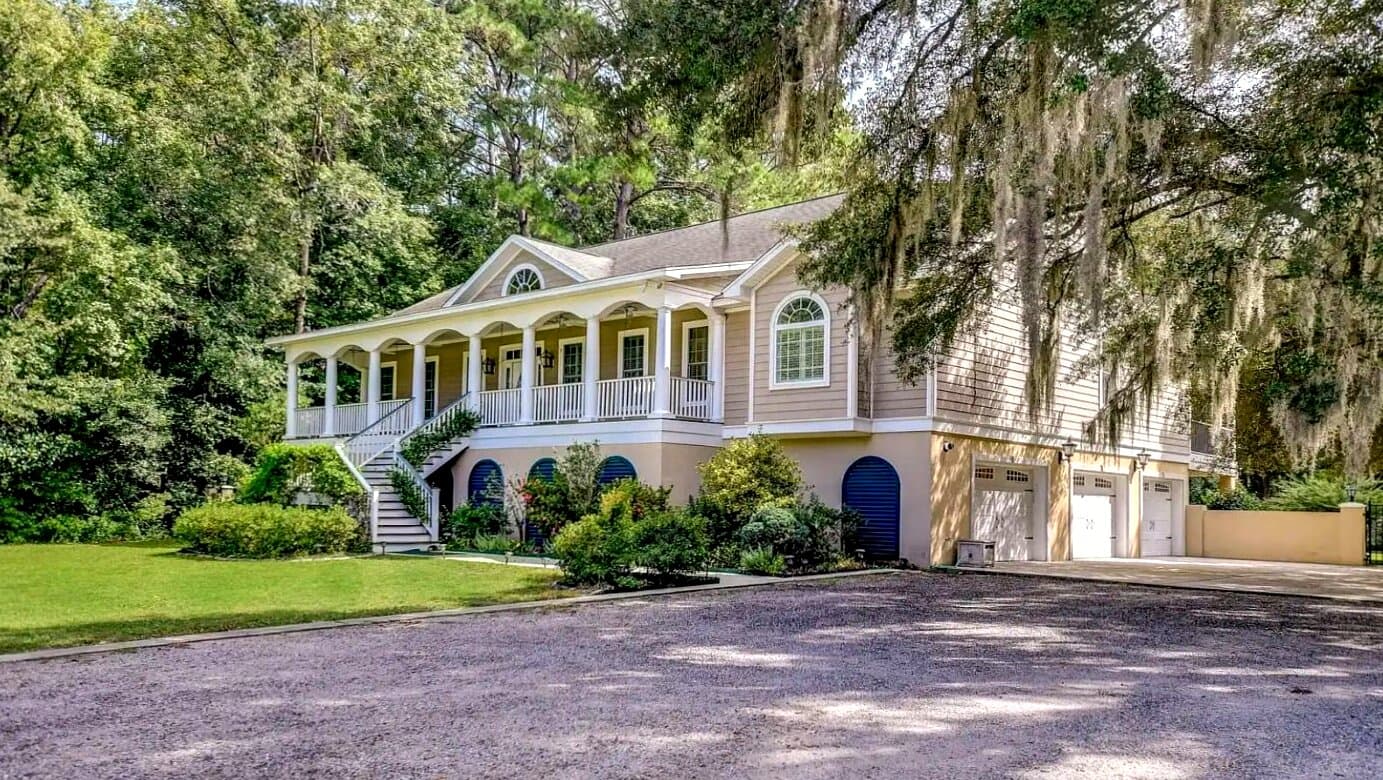
Charleston Recovery Center
Hollywood, SC
Sober LivingTwelve Step Facilitation
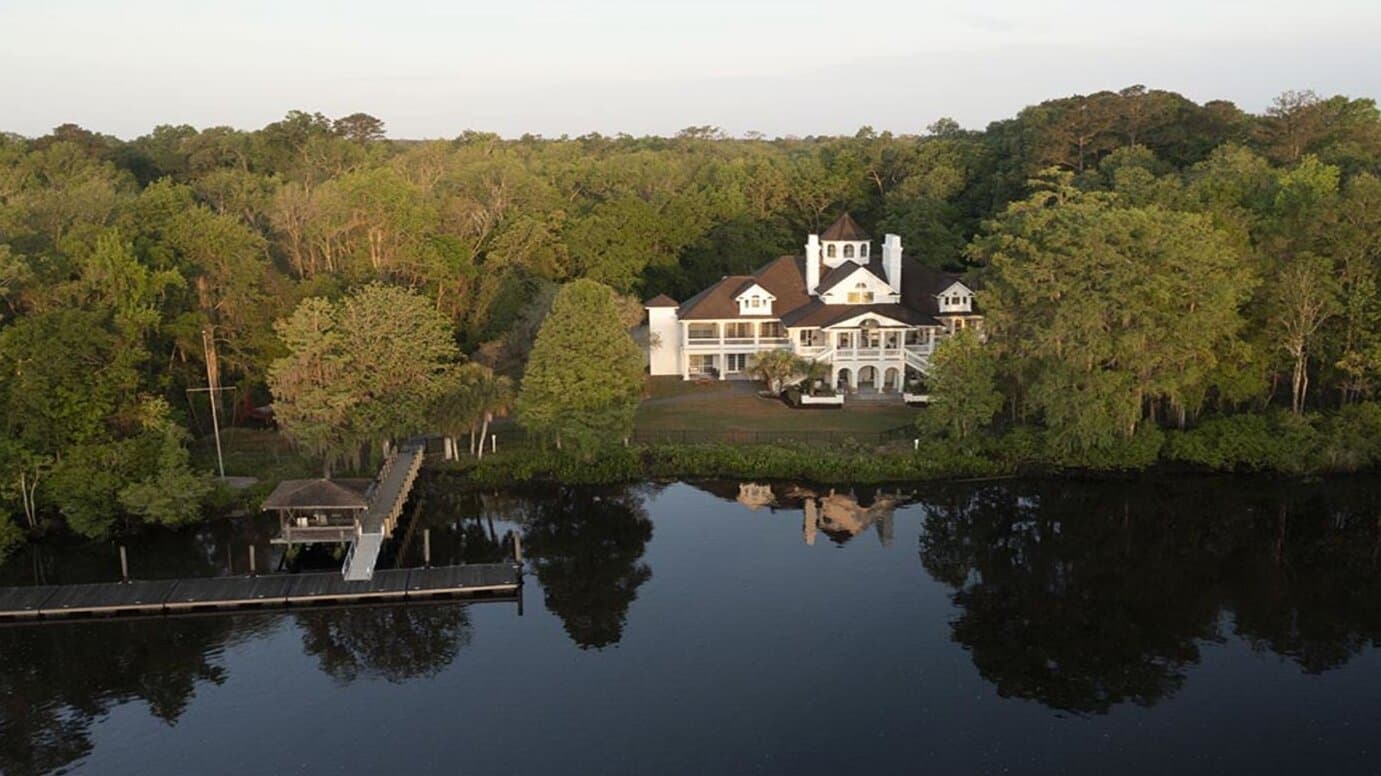
Hammocks On The Edisto
Jacksonboro, SC
AlcoholAnxiety
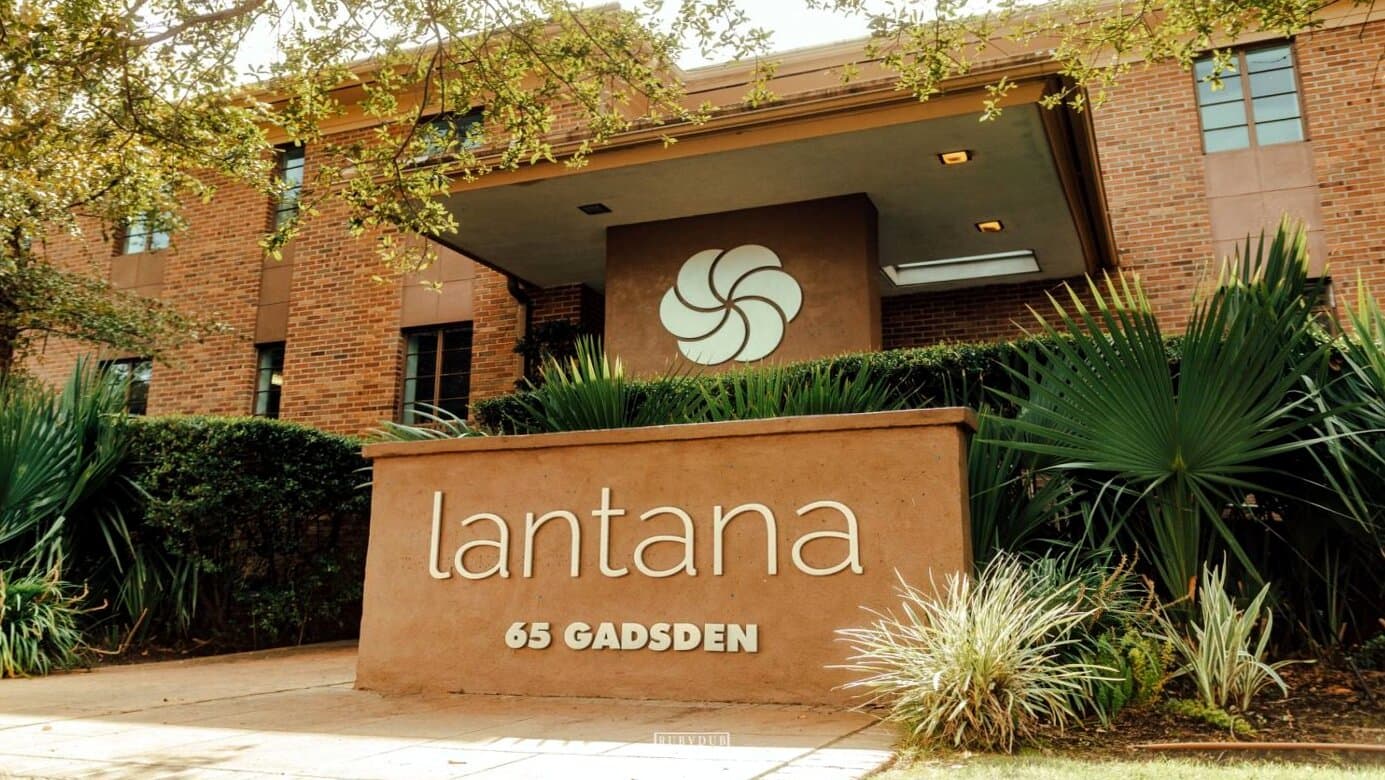
Lantana Recovery South Carolina
Charleston, SC
AlcoholBenzodiazepines
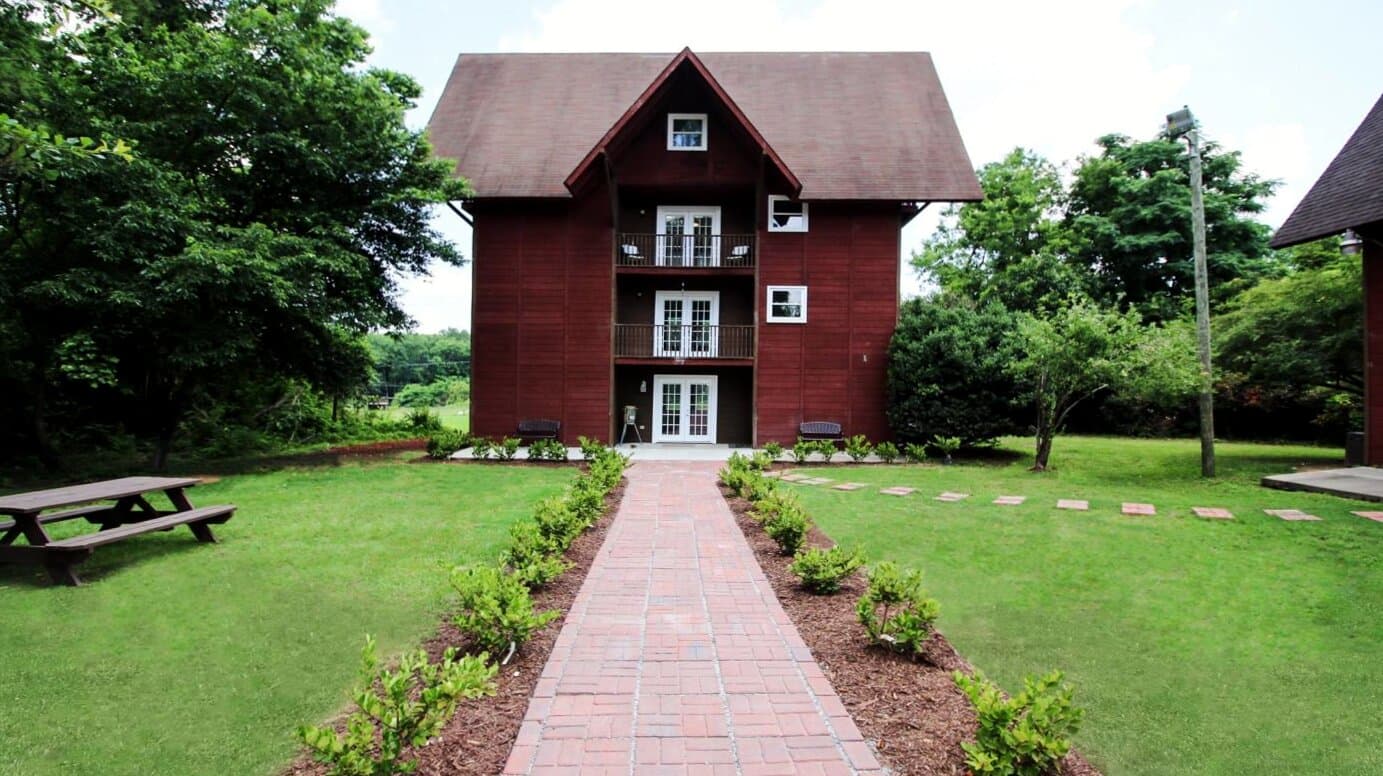
Owl's Nest Recovery Community
Florence, SC
AlcoholCo-Occurring Disorders

South Carolina Addiction Treatment
Simpsonville, SC
AlcoholBenzodiazepines
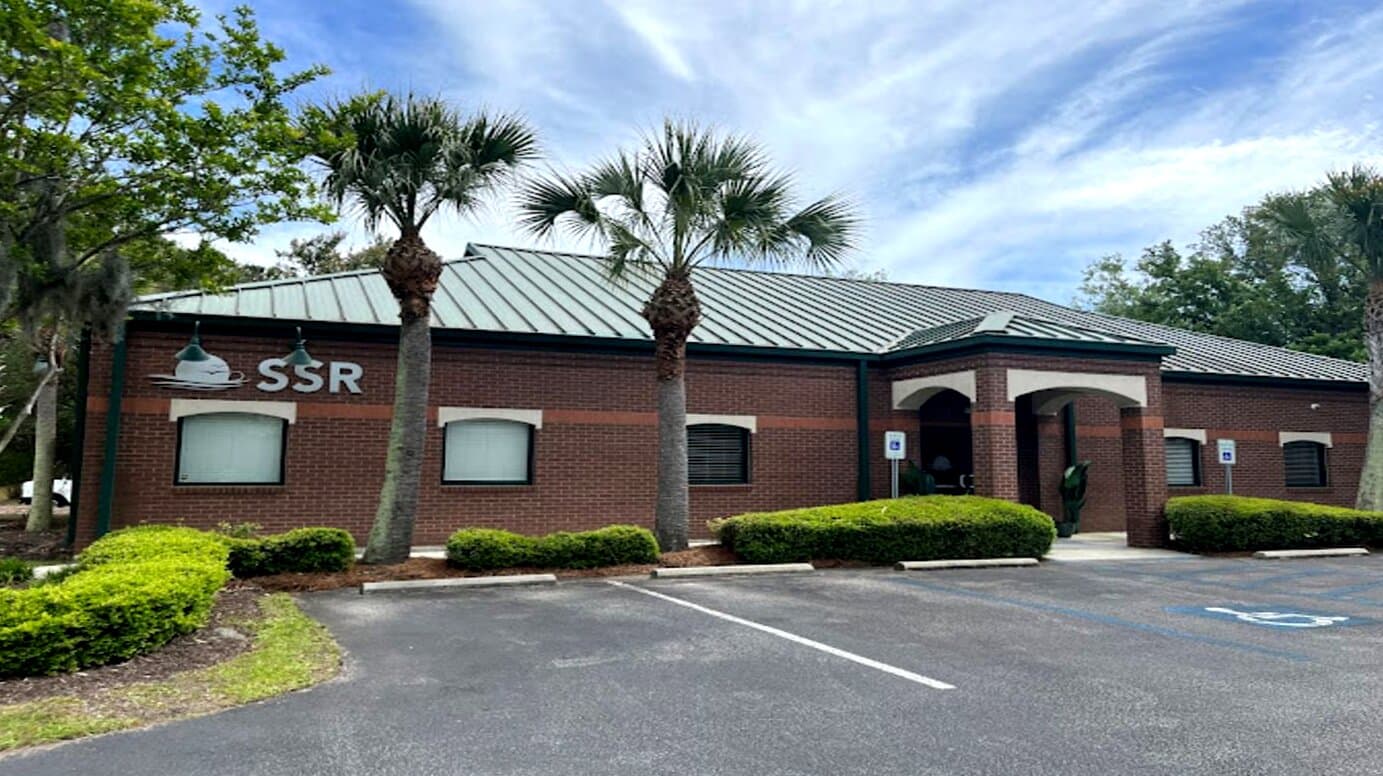
Southern Sky Recovery
Pennington DriveBluffton, SC
Day TreatmentDetox (off-site)

Sweetgrass Psychiatry Isle of Palms
Isle of Palms, SC
DepressionKetamine Therapy
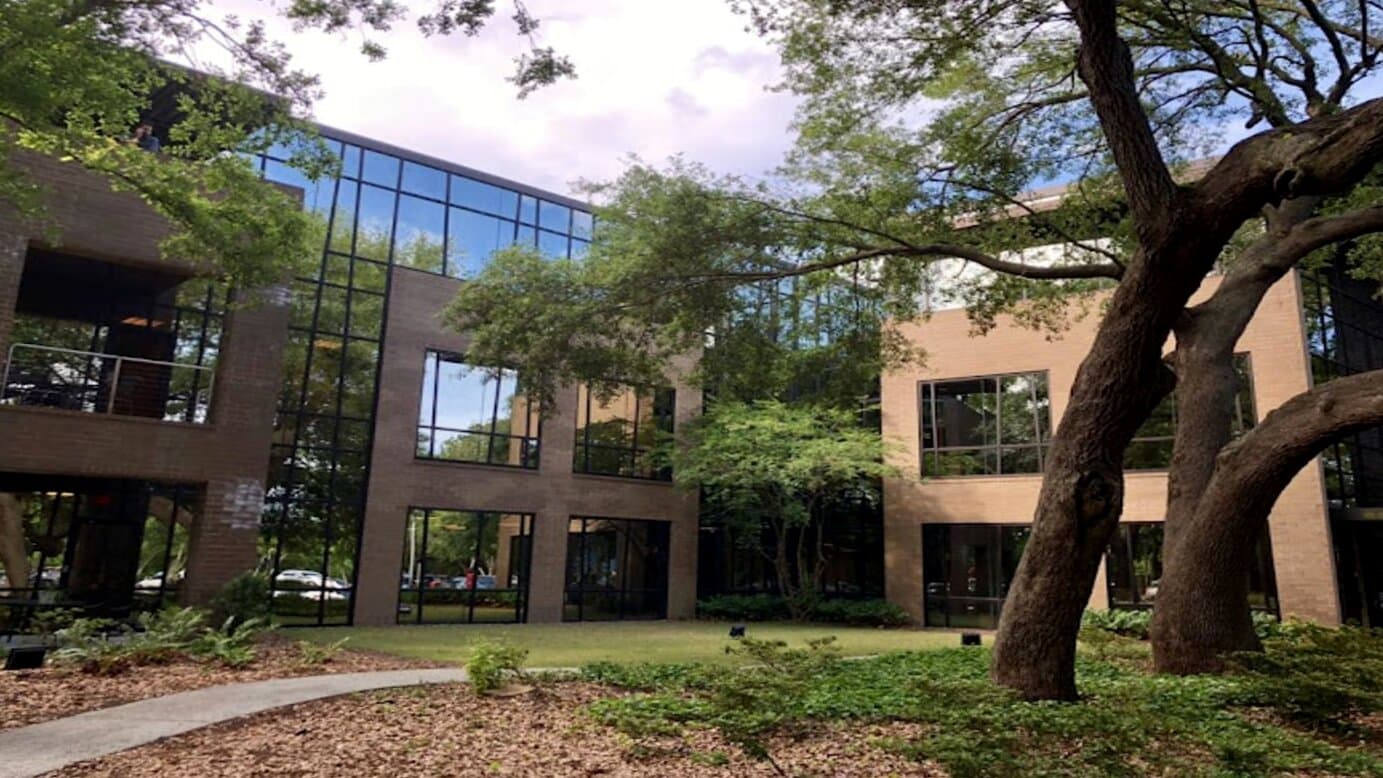
Sweetgrass Psychiatry Mount Pleasant
Mt Pleasant, SC
DepressionKetamine Therapy
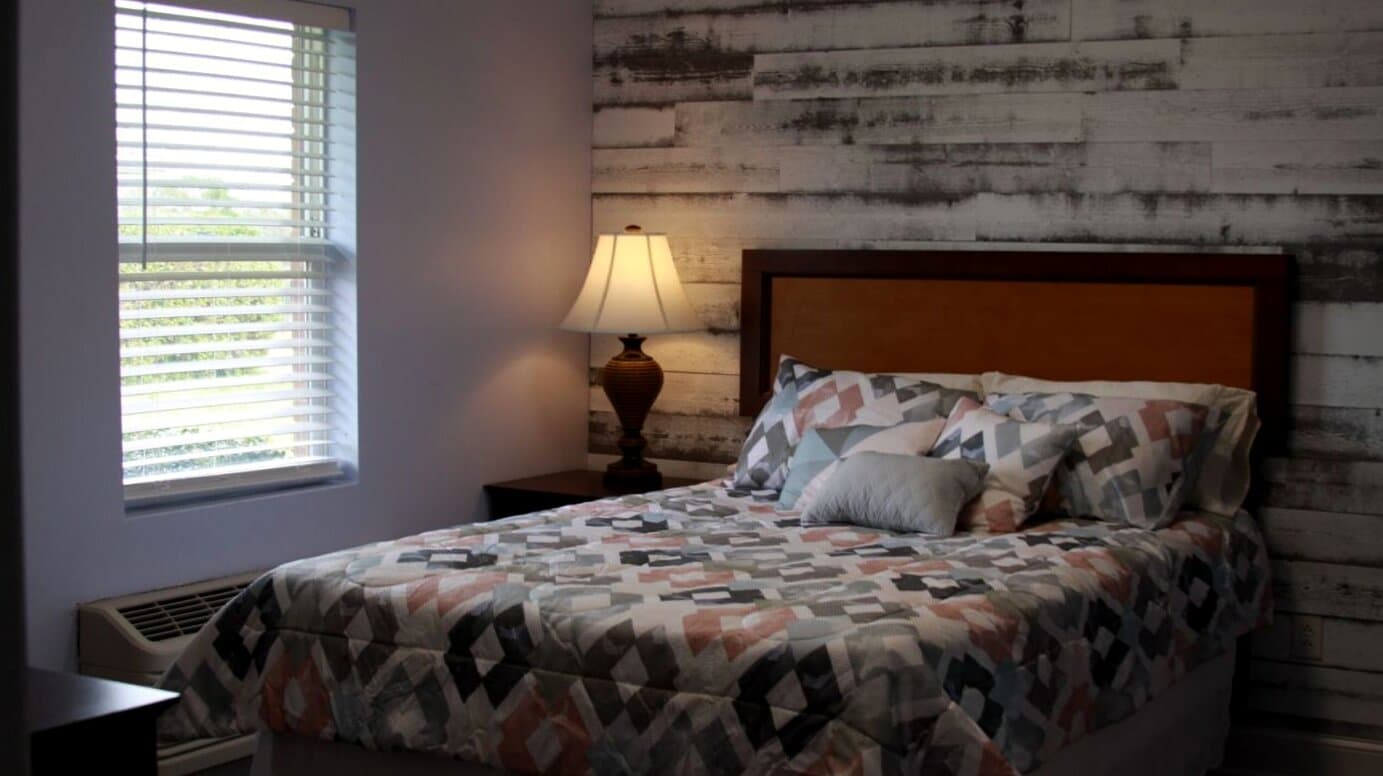
The Wave Columbia
Winnsboro, SC
Co-Occurring DisordersDrug Addiction
Turnwell Mental Health Network South Carolina
Mt. Pleasant, SC
AdolescentsChildren

Waypoint Recovery Center
Cameron, SC
Co-Occurring Disorders
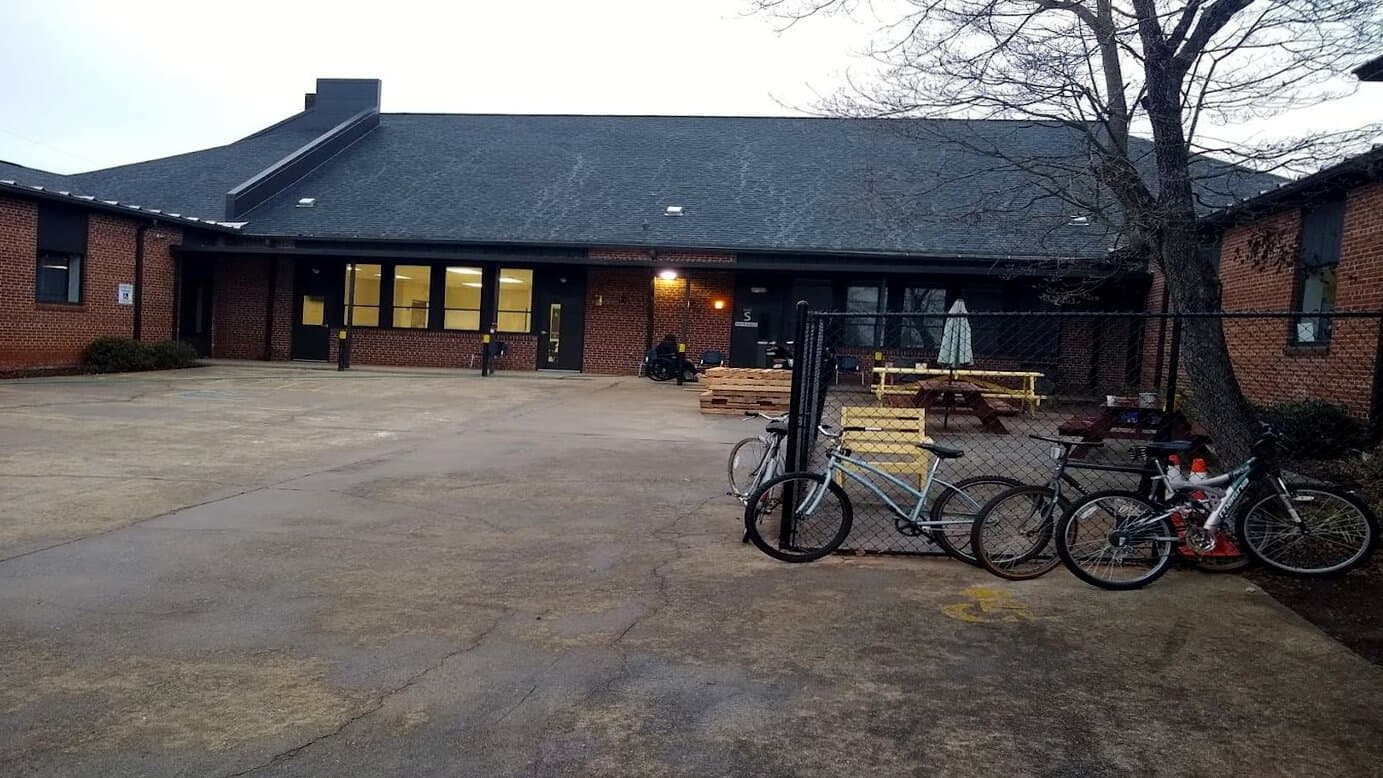
FAVOR Piedmont
Rock Hill, SC
Loved OnesRecovery Coaching
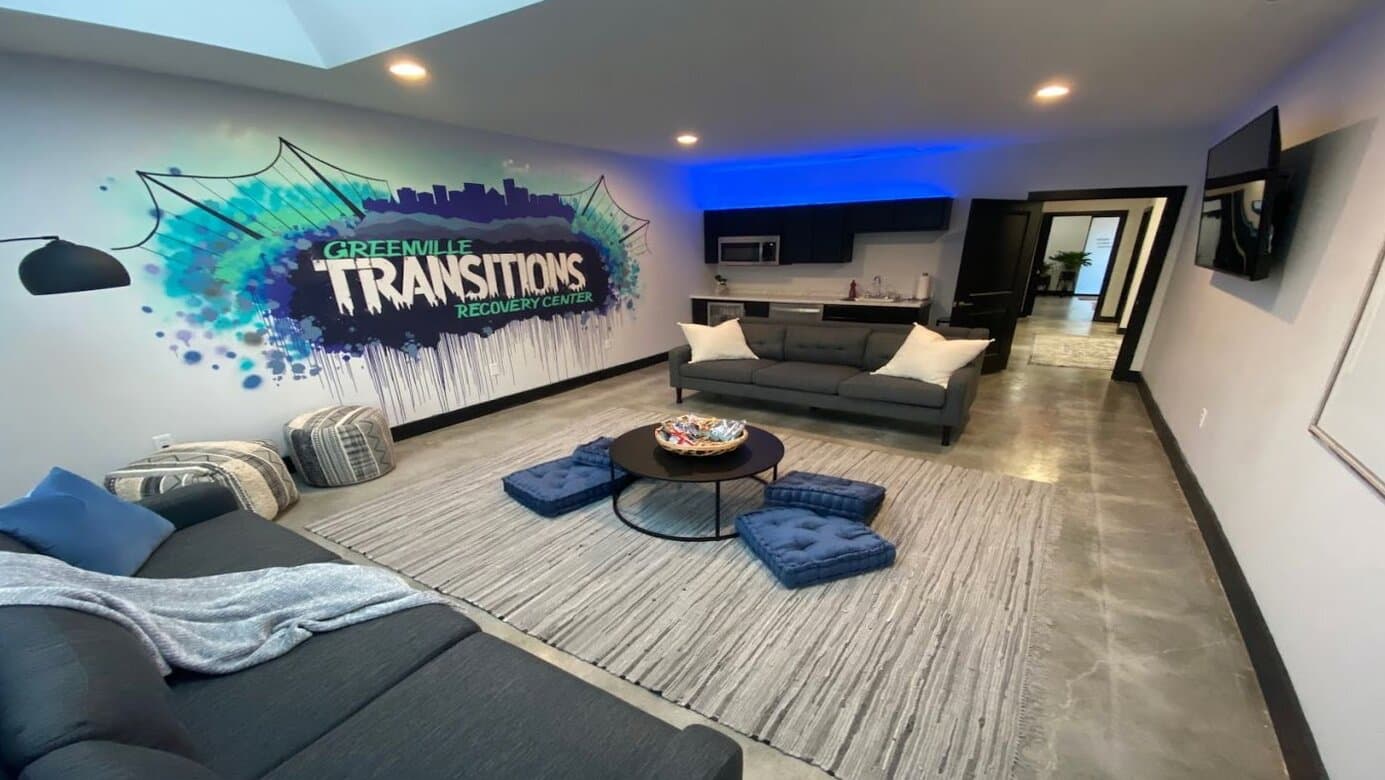
Greenville Transitions Recovery Center
Greenville, SC
Adventure OutingsAdventure Therapy

Promises Healthcare
Darlington, SC
AdolescentsChronic Pain Management
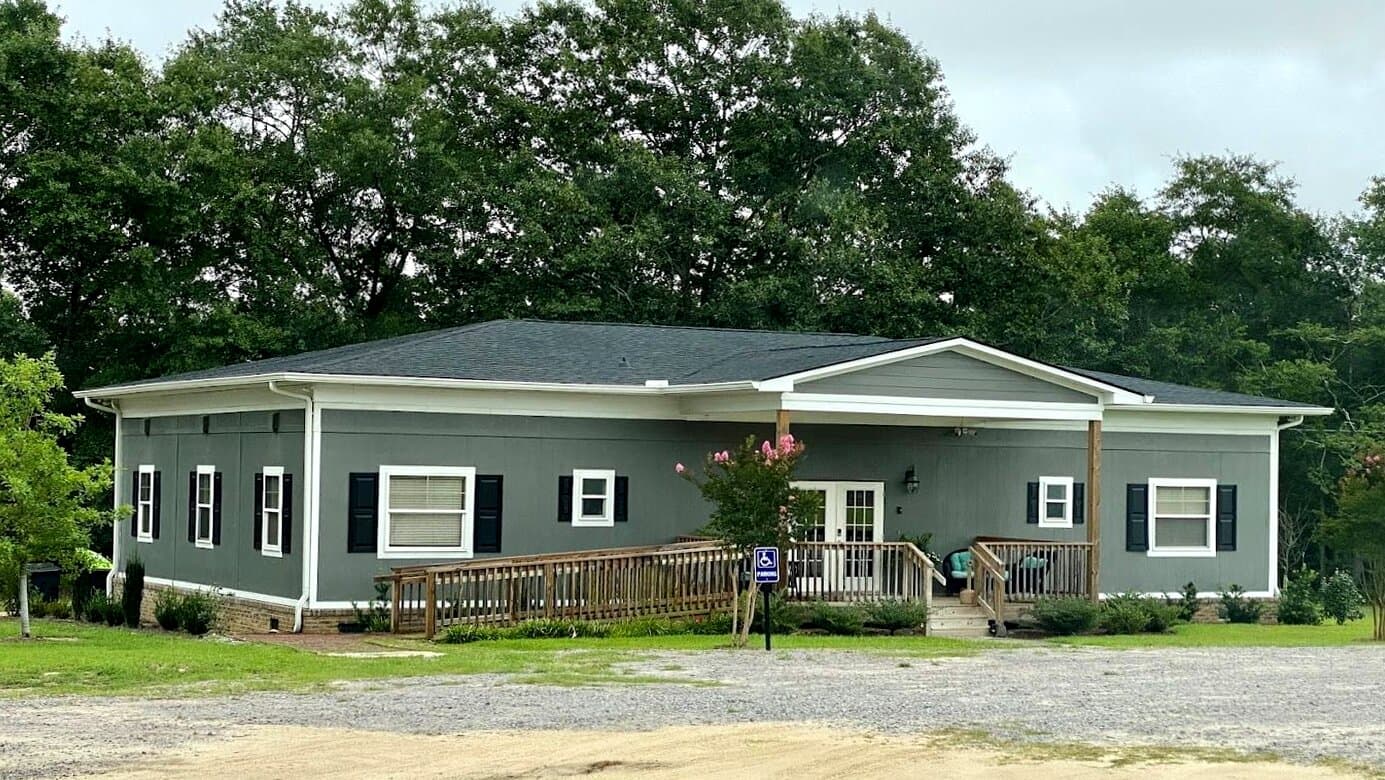
The Courage Center-Lexington
Lexington, SC
AdolescentsLoved Ones
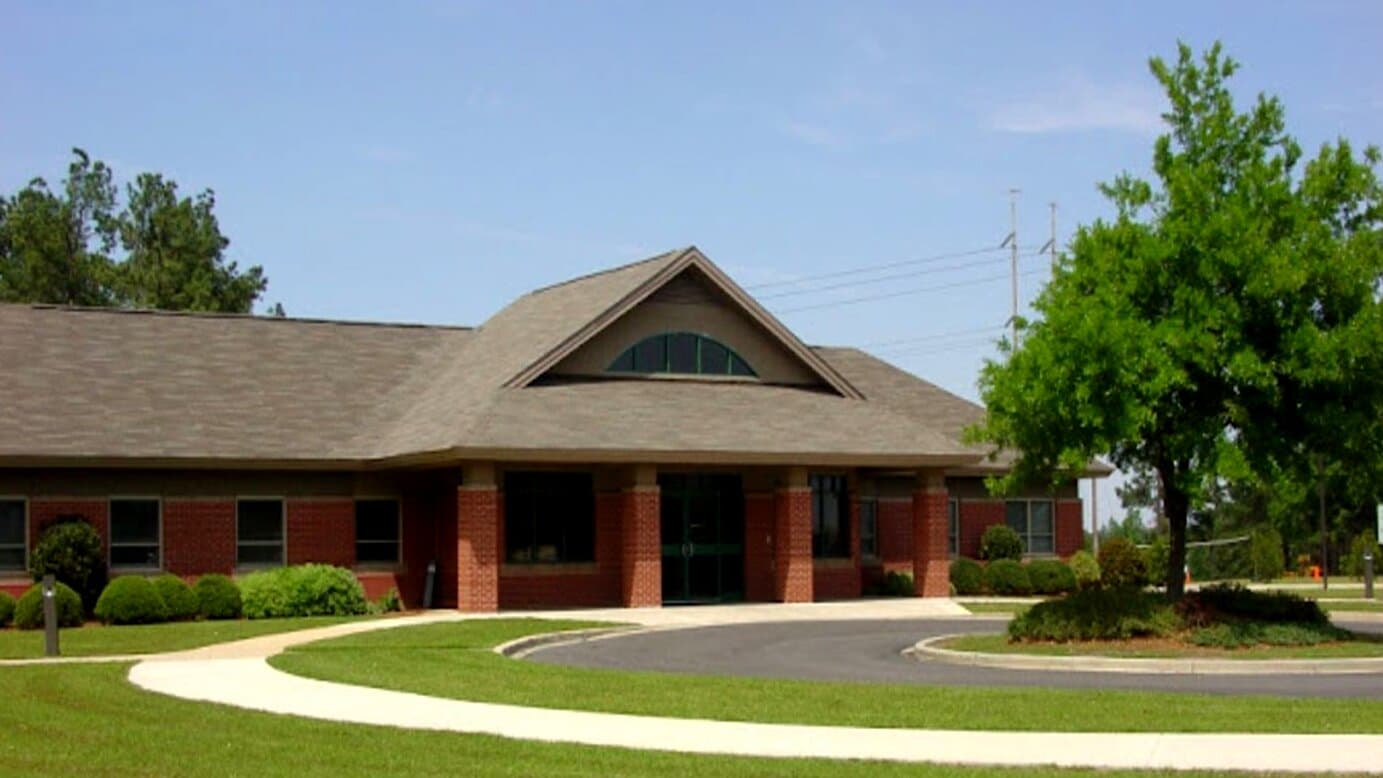
William J McCord Adolescent Treatment Facility
Orangeburg, SC
AdolescentsAlcohol
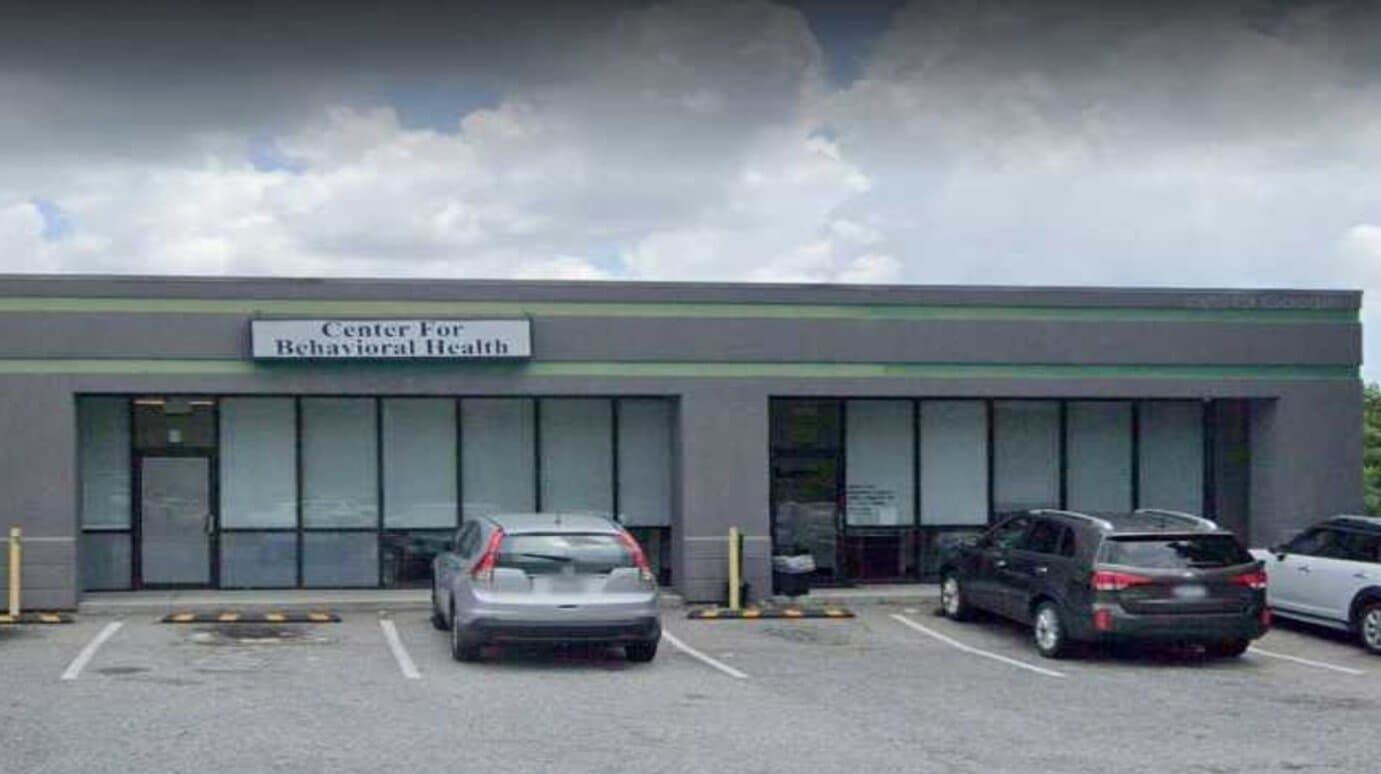
BHG Charleston Treatment Center
#F North Charleston, SC
Co-Occurring DisordersMedication-Assisted Treatment

Phoenix Center Serenity Place/Womens Residential
Greenville, SC
AlcoholDrug Addiction
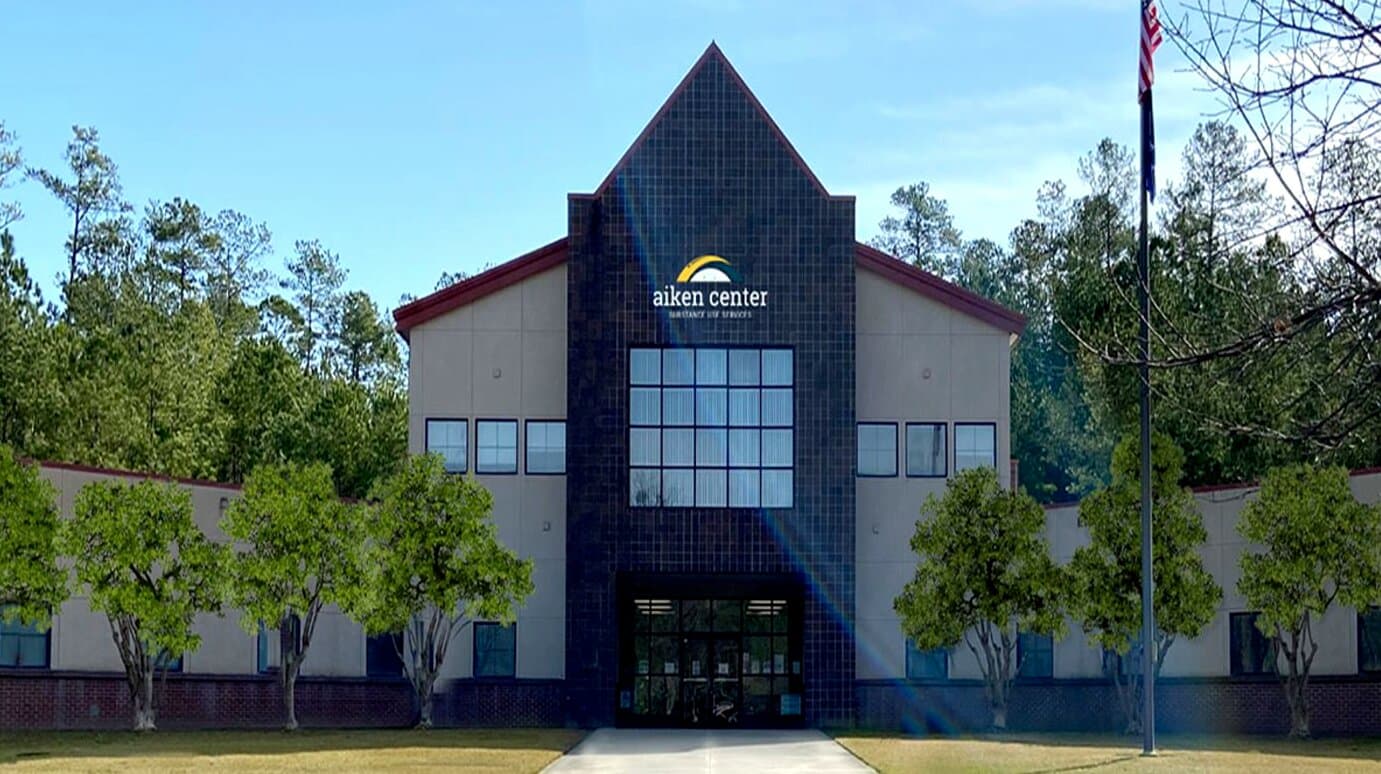
Aiken Center
Aiken, SC
AlcoholCo-Occurring Disorders
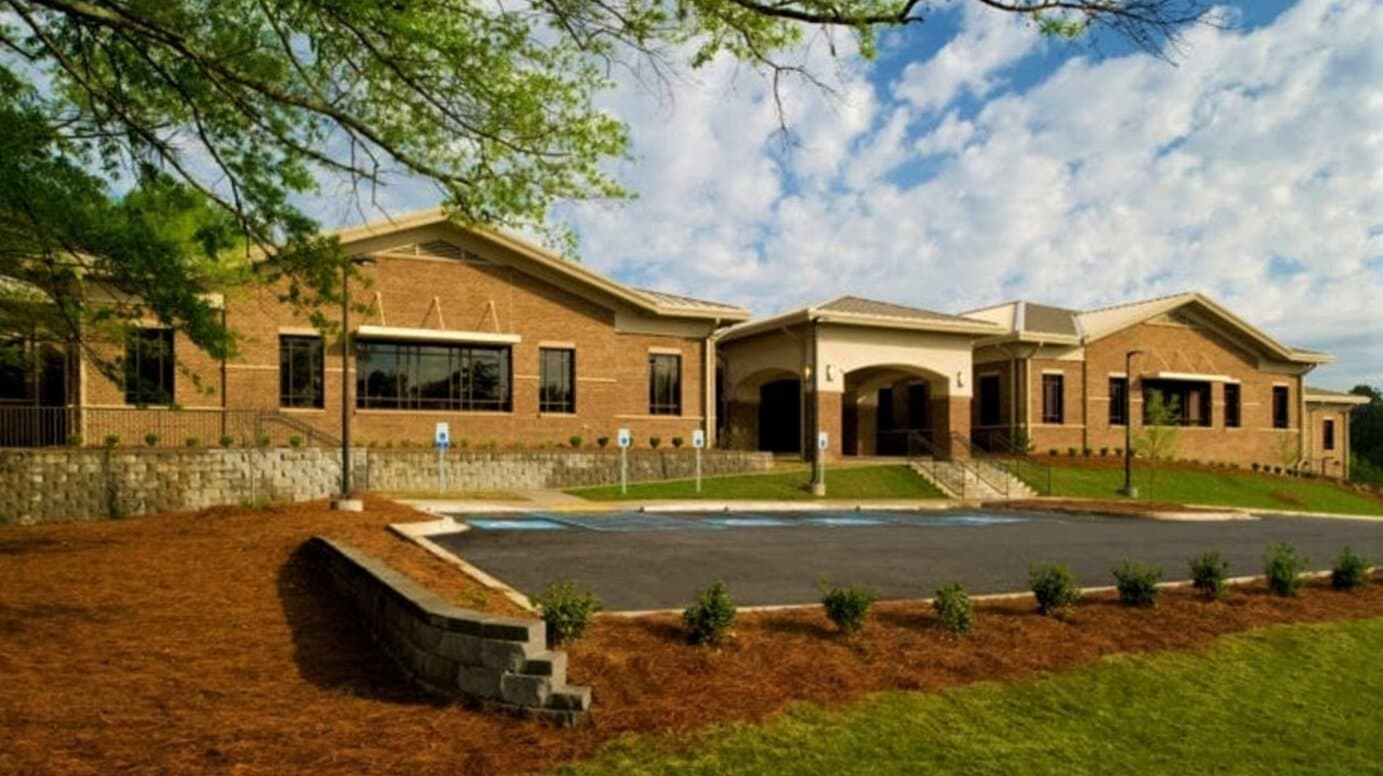
BHG Spartanburg Treatment Center
Spartanburg, SC
Co-Occurring DisordersMedication-Assisted Treatment
Charleston Center of Charleston County
North Charleston, SC
AlcoholCo-Occurring Disorders
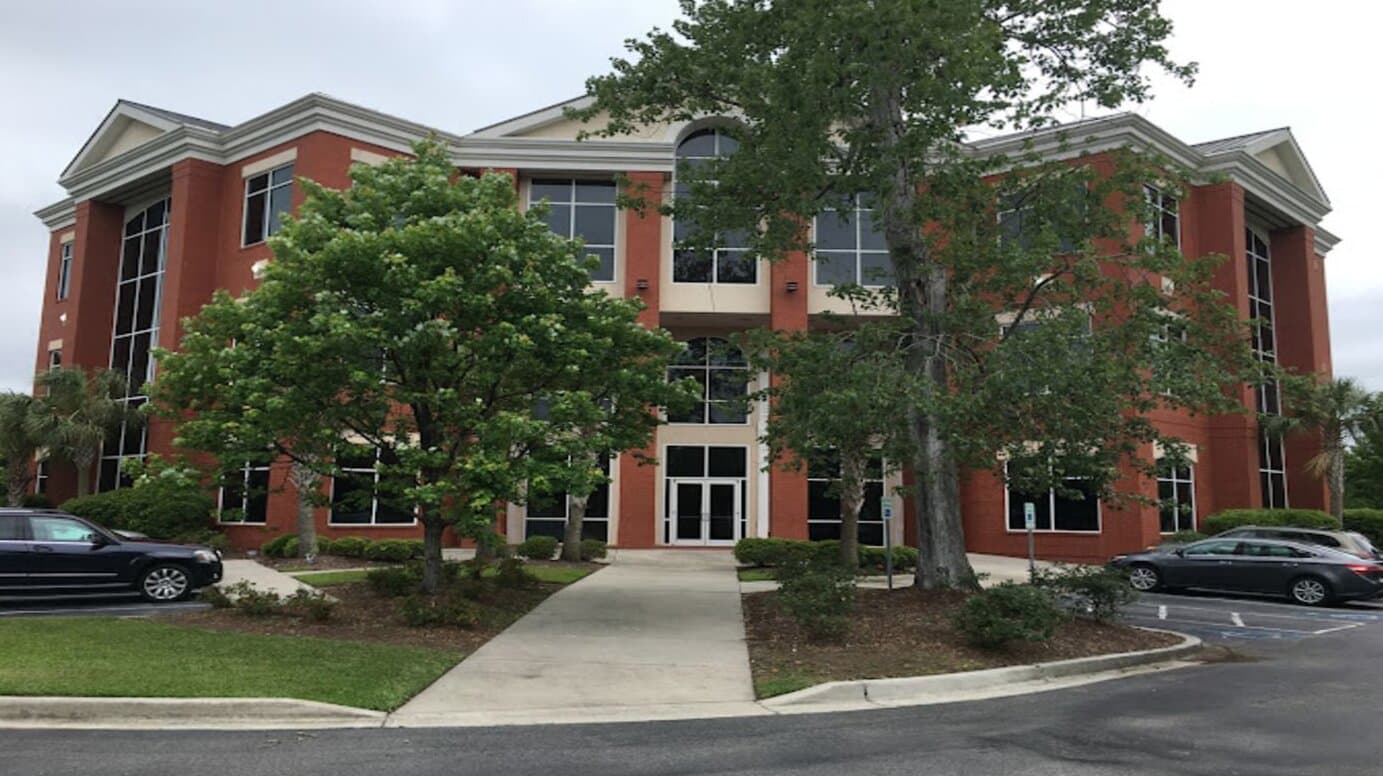
Coastal Recovery Center
Myrtle Beach, SC
AlcoholCo-Occurring Disorders
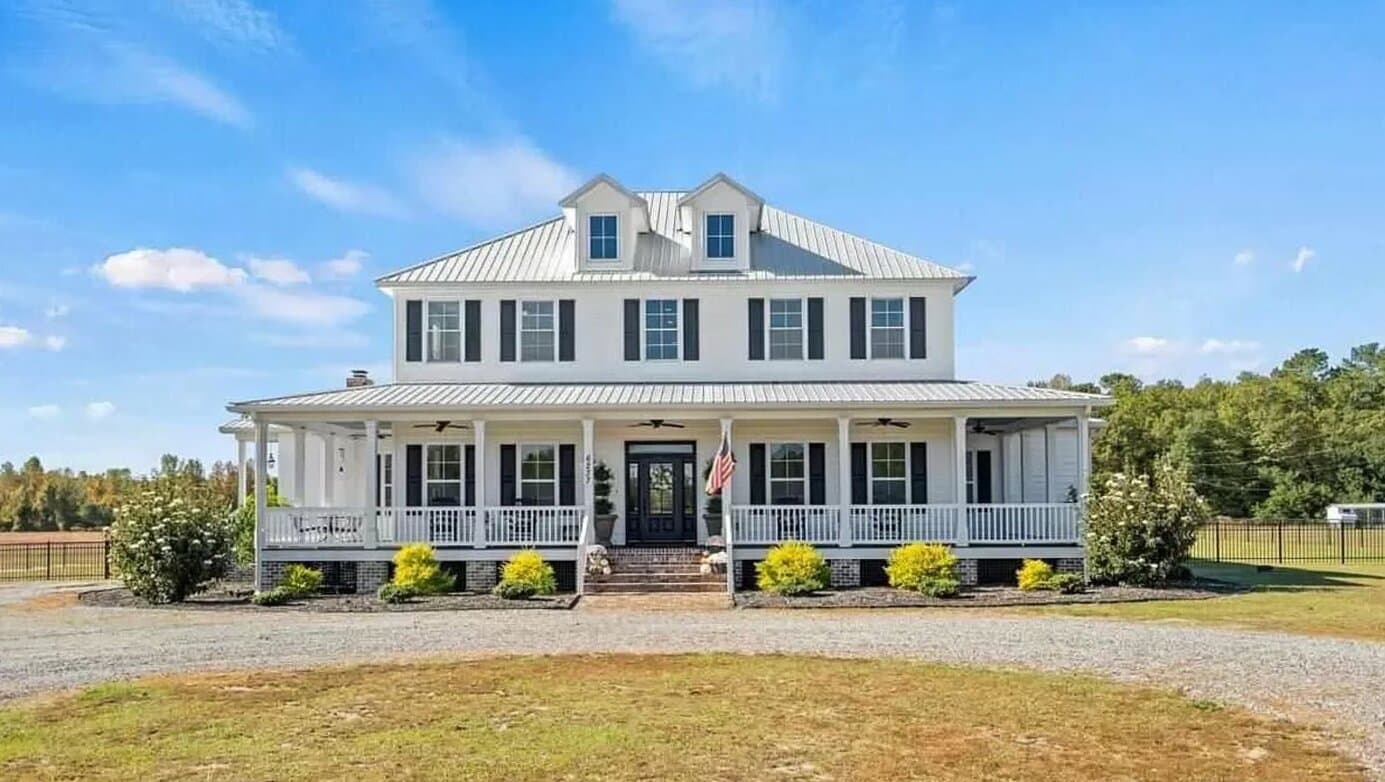
Hope Center Ministries Florence
Timmonsville, SC
AlcoholDrug Addiction
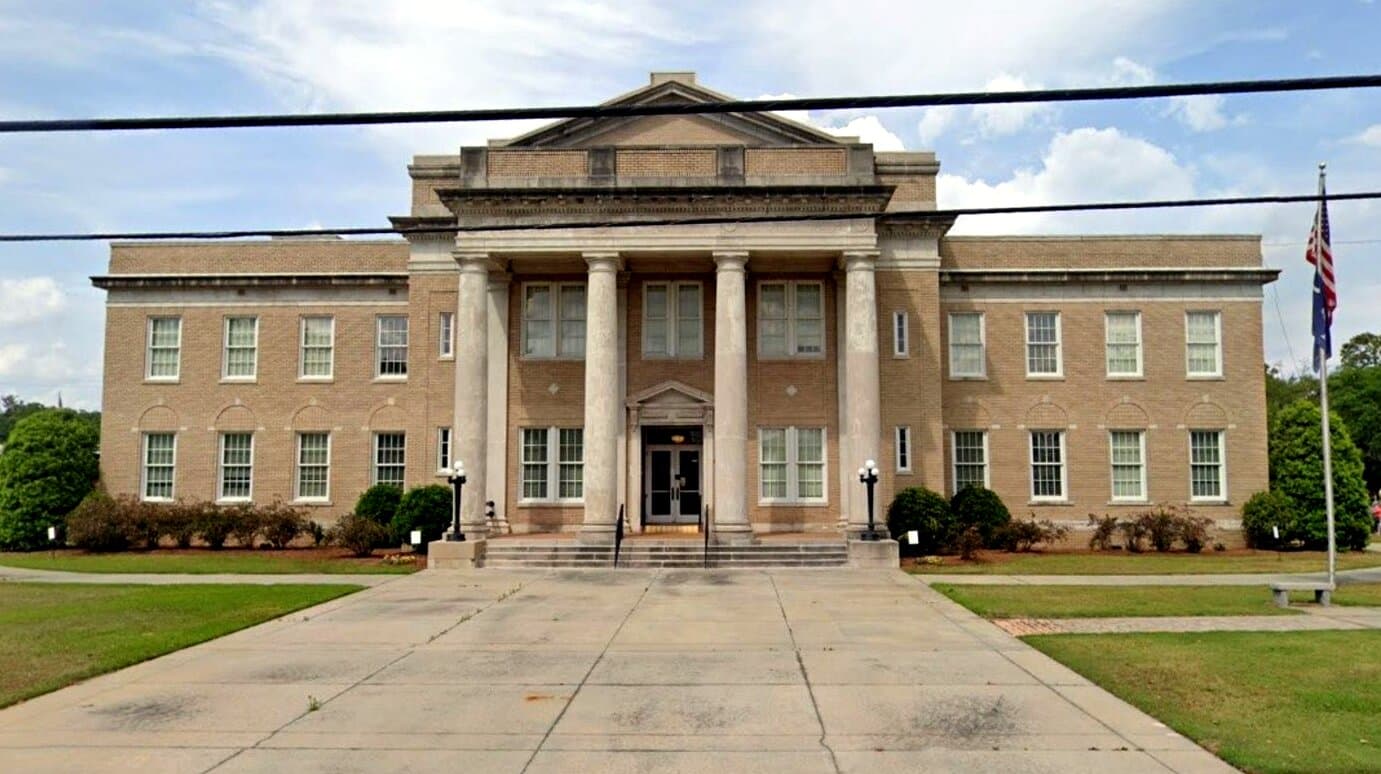
New Life Center
Allendale, SC
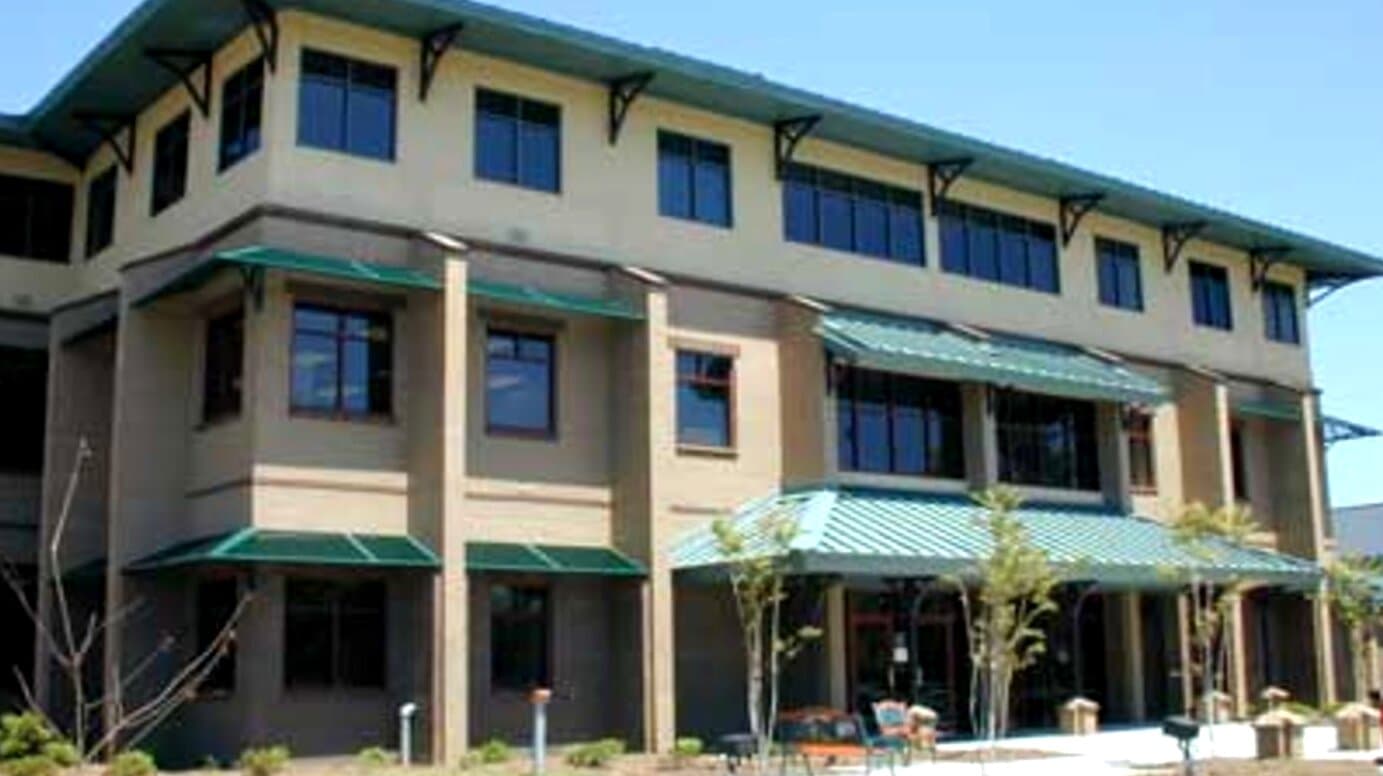
Pee Dee Mental Health Center Marion County Clinic
Marion, SC
DepressionNeurodiversity

The Courage Center-Orangeburg
Orangeburg, SC
AdolescentsLoved Ones
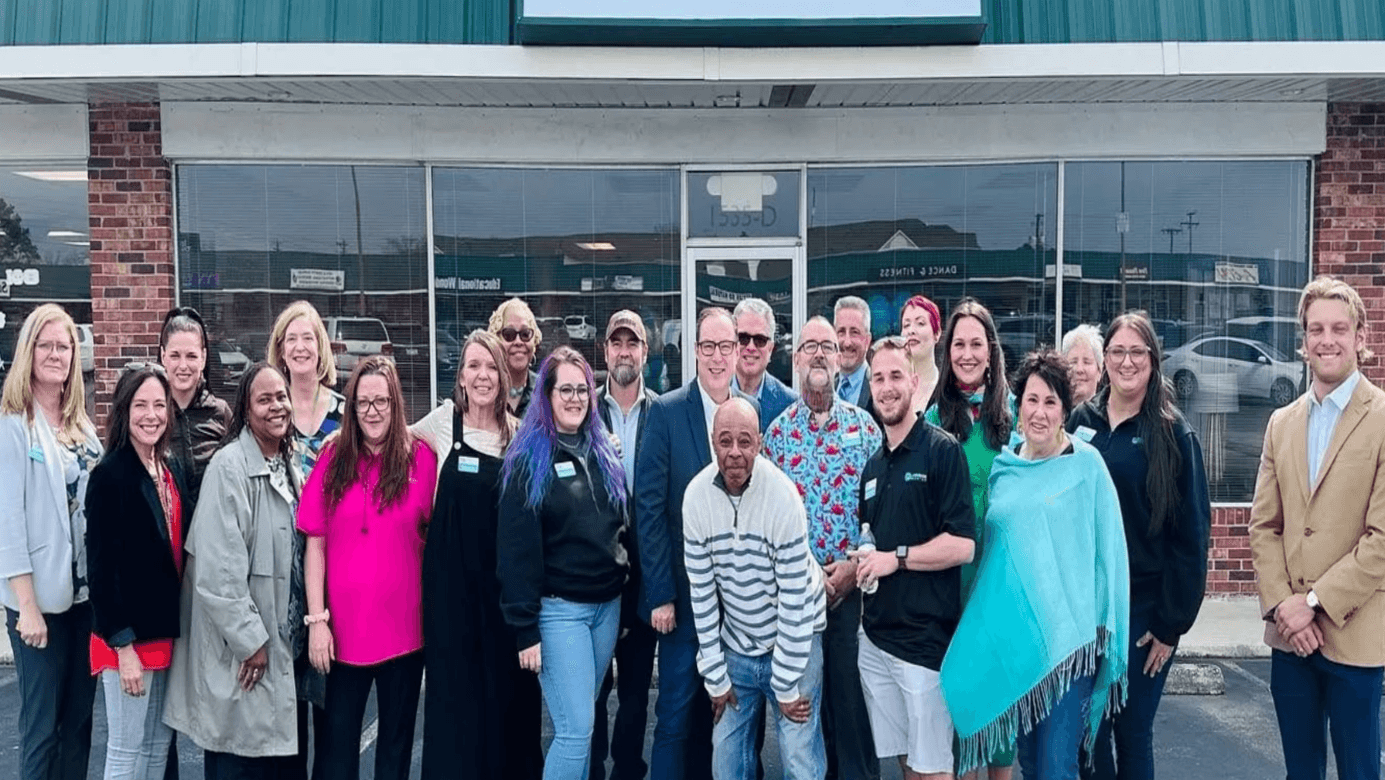
The Courage Center-Richland
Columbia, SC
AdolescentsLoved Ones
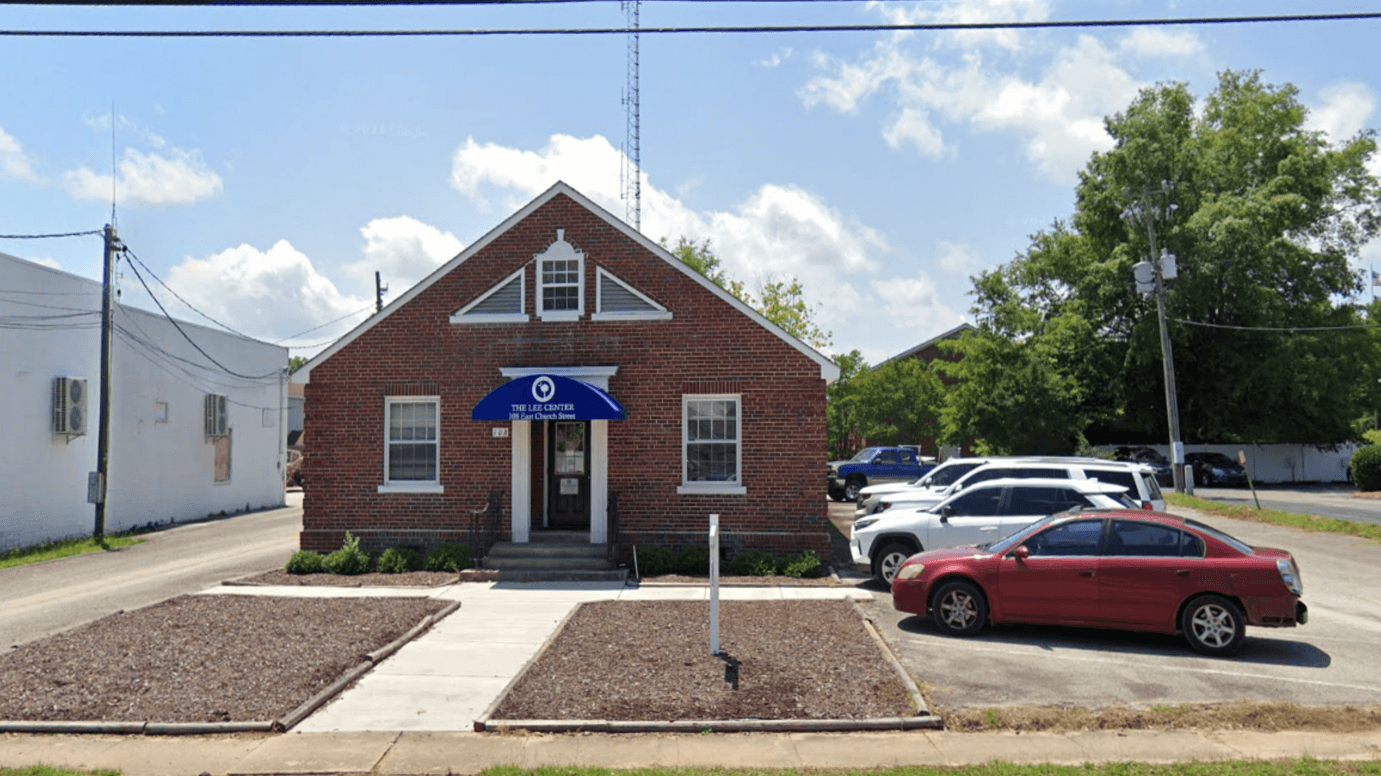
The Lee Center
Bishopville, SC
AlcoholCo-Occurring Disorders

Thrive Mental Health - South Carolina
Charleston, SC
AnxietyDepression
Beckman Center for Mental Health Abbeville Clinic
Abbeville, SC
Beckman Center for Mental Health Services Greenwood
Greenwood, SC
Cornerstone Edgefield
Edgefield, SC
LRADAC Outpatient and Withdrawal Management
Columbia, SC
University of South Carolina Psychology Services Center
Columbia, SC
What Is Dual Diagnosis Treatment?
Dual diagnosis treatment — also called co-occurring disorder treatment — addresses substance use and a mental health condition at the same time. Depression, anxiety, bipolar disorder, PTSD, and ADHD frequently occur alongside addiction, and each condition can worsen the other.
Treating only the addiction while leaving a mental health condition unmanaged is a common cause of relapse. Dual diagnosis programs combine psychiatric care, addiction treatment, and therapy into one coordinated plan so both conditions improve together.
South Carolina faces growing opioid and methamphetamine challenges, with treatment access limited in many rural communities. Choosing dual diagnosis treatment in South Carolina keeps treatment close to your support network and connects you with programs familiar with local insurance and resources.
Who Dual Diagnosis Treatment Is Right For
- People living with both addiction and a mental health condition
- Those whose anxiety, depression, or trauma fuels substance use
- Anyone who has relapsed after addiction-only treatment
- Individuals needing psychiatric medication management
- Families seeking coordinated mental health and recovery care
What to Expect
- A comprehensive psychiatric and substance use assessment
- An integrated treatment plan addressing both conditions
- Therapy such as CBT and DBT alongside addiction counseling
- Psychiatric medication management where appropriate
- Aftercare that supports both recovery and mental wellness
Paying for Dual Diagnosis Treatment in South Carolina
Federal parity law requires most health plans to cover mental health and substance use care comparably, so dual diagnosis treatment is typically covered by private insurance, Medicaid, and Medicare.
Residents of South Carolina can pay for treatment through private insurance, Medicaid, Medicare, sliding-scale fees, payment plans, or state-funded programs. Cost should never be a barrier to care — call +1 (239) 241-8393 and we will verify your coverage for free.
Other Treatment Options in South Carolina
Dual Diagnosis Treatment is one level of care along a continuum. Explore other types of addiction treatment available in South Carolina:
Dual Diagnosis Treatment in South Carolina: FAQ
What is dual diagnosis treatment?+
Dual diagnosis treatment — also called co-occurring disorder treatment — addresses substance use and a mental health condition at the same time. Depression, anxiety, bipolar disorder, PTSD, and ADHD frequently occur alongside addiction, and each condition can worsen the other.
How do I find dual diagnosis treatment in South Carolina?+
This page lists 41 facilities offering dual diagnosis treatment in South Carolina. Compare each center on the conditions it treats, accreditation, and the services it provides, then contact the facility directly — or call our free 24/7 helpline for personalized guidance and insurance verification.
How much does dual diagnosis treatment cost in South Carolina?+
The cost of dual diagnosis treatment in South Carolina depends on the program, its length, and the amenities offered. Federal parity law requires most health plans to cover mental health and substance use care comparably, so dual diagnosis treatment is typically covered by private insurance, Medicaid, and Medicare. Many South Carolina centers also offer payment plans, sliding-scale fees, and scholarships. Call us for a clear cost estimate before you commit.
Does insurance cover dual diagnosis treatment in South Carolina?+
Yes. Under the Affordable Care Act and federal parity law, most health plans — including private insurance, South Carolina Medicaid, and Medicare — must cover medically necessary addiction treatment. Coverage depends on your specific plan; we verify benefits for free and confidentially.
Can I travel outside South Carolina for treatment?+
Yes. Many people choose to attend dual diagnosis treatment in another state for greater privacy, a change of environment, or access to a specialized program. Our helpline can help you compare South Carolina options with out-of-state centers and coordinate admission either way.
Find Dual Diagnosis Treatment in South Carolina Today
Our compassionate team is available 24/7 to answer questions about dual diagnosis treatment, verify your insurance, and match you with the right South Carolina treatment center — free and completely confidential.
In an emergency, call 911. For free, confidential national support, contact SAMHSA's helpline at 1-800-662-4357 or dial 988 for the Suicide & Crisis Lifeline.