Loading...
Dual Diagnosis Treatment in Massachusetts
35 facilities offering dual diagnosis treatment in Massachusetts
Integrated care that treats addiction and co-occurring mental health conditions together.
Dual Diagnosis Treatment Centers in Massachusetts
Showing 35 of 35

AdCare Hospital
Worcester, MA
AlcoholCo-Occurring Disorders

Berkshire Mountain Health
Great Barrington, MA
AlcoholBenzodiazepines

Blue Hills Recovery
Worcester, MA
AlcoholAnxiety

CMC Berkshires (Center for Motivation and Change)
New Marlborough, MA
AlcoholCo-Occurring Disorders

East-Coast Recovery
United States, MA
AlcoholBenzodiazepines

Engage Wellness
Acton, MA
AlcoholCocaine

Greater Boston Behavioral Health
Needham, MA
ADHD, ADDAnger
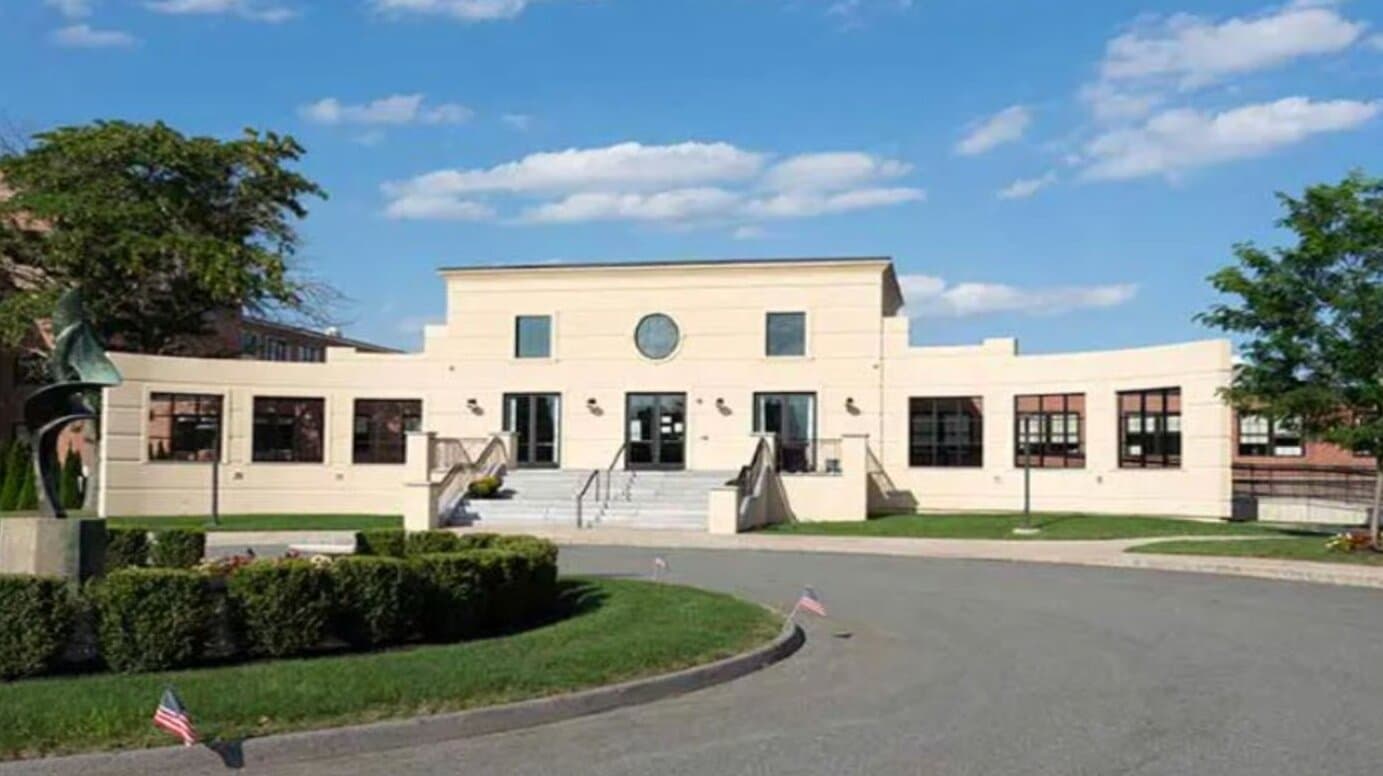
Recovery Centers of America at Danvers
Danvers, MA
Co-Occurring DisordersDetox
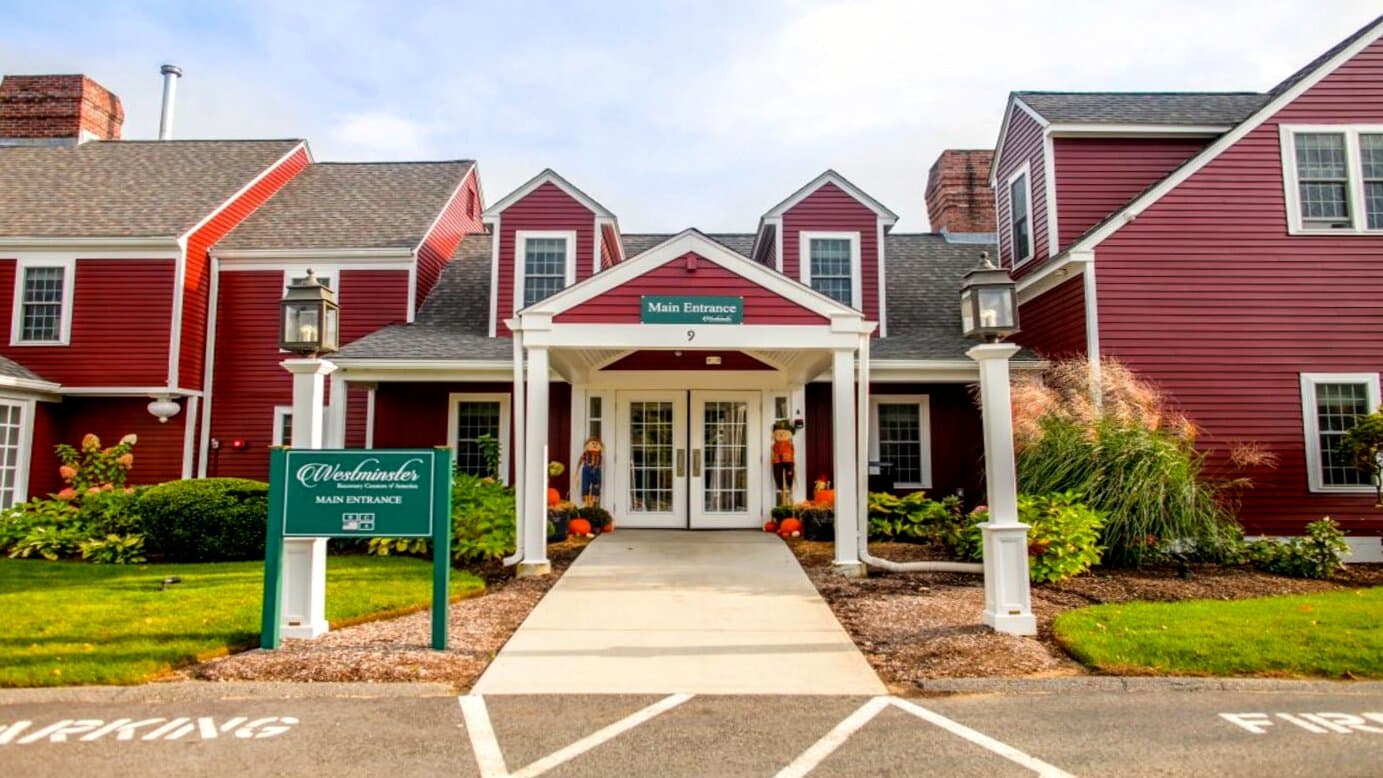
Recovery Centers of America at Westminster
Westminster, MA
Co-Occurring DisordersDay Treatment
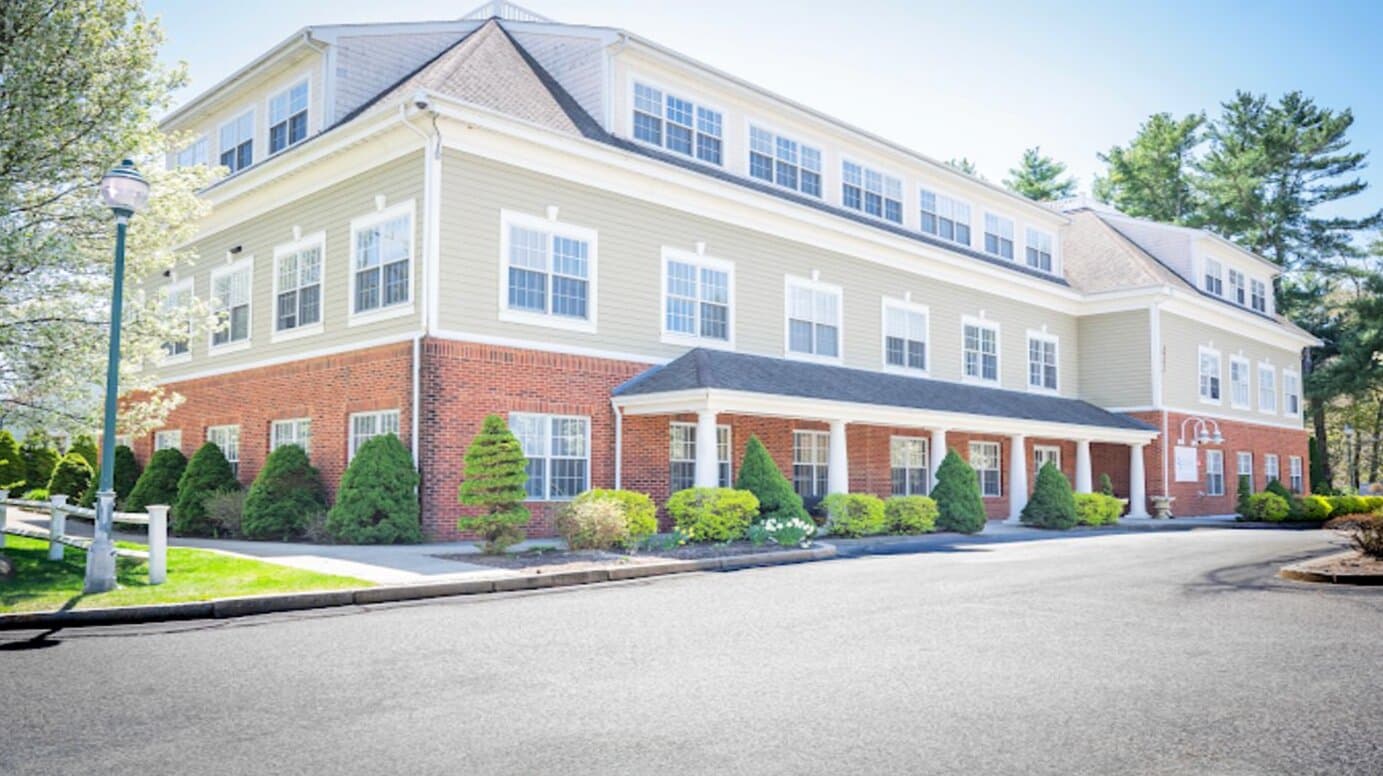
Shore Point Recovery
Wareham, MA
AlcoholCo-Occurring Disorders

Spring Hill Recovery Center
Ashby, MA
AlcoholCocaine

AdCare Outpatient Worcester
Worcester, MA
Aftercare Group TherapyAlcohol

AffinityOne Massachusetts
Millbury, MA
AlcoholDrug Addiction

Brandon School & Residential Treatment Center
Natick, MA
AdolescentsPersonality Disorders
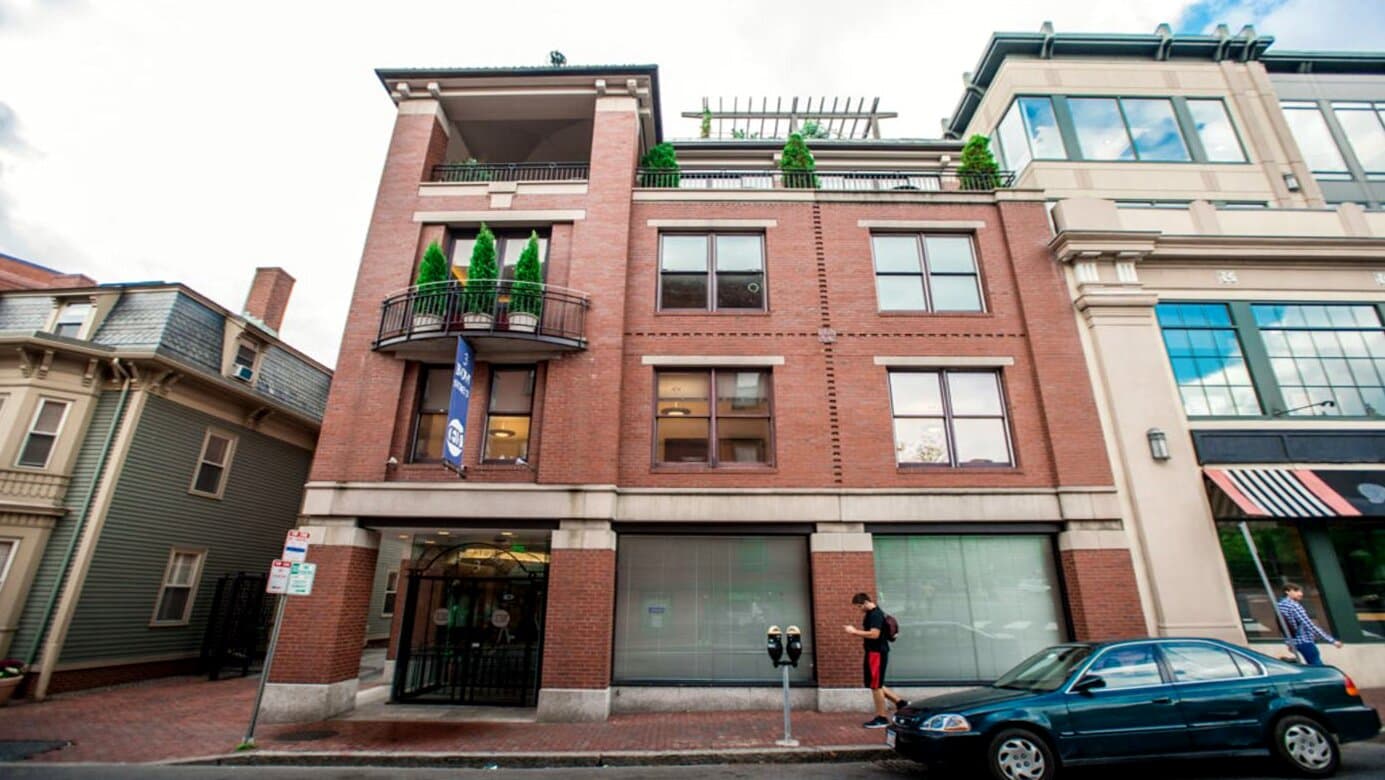
Cambridge Eating Disorder Center
Cambridge, MA
AdolescentsEating Disorders
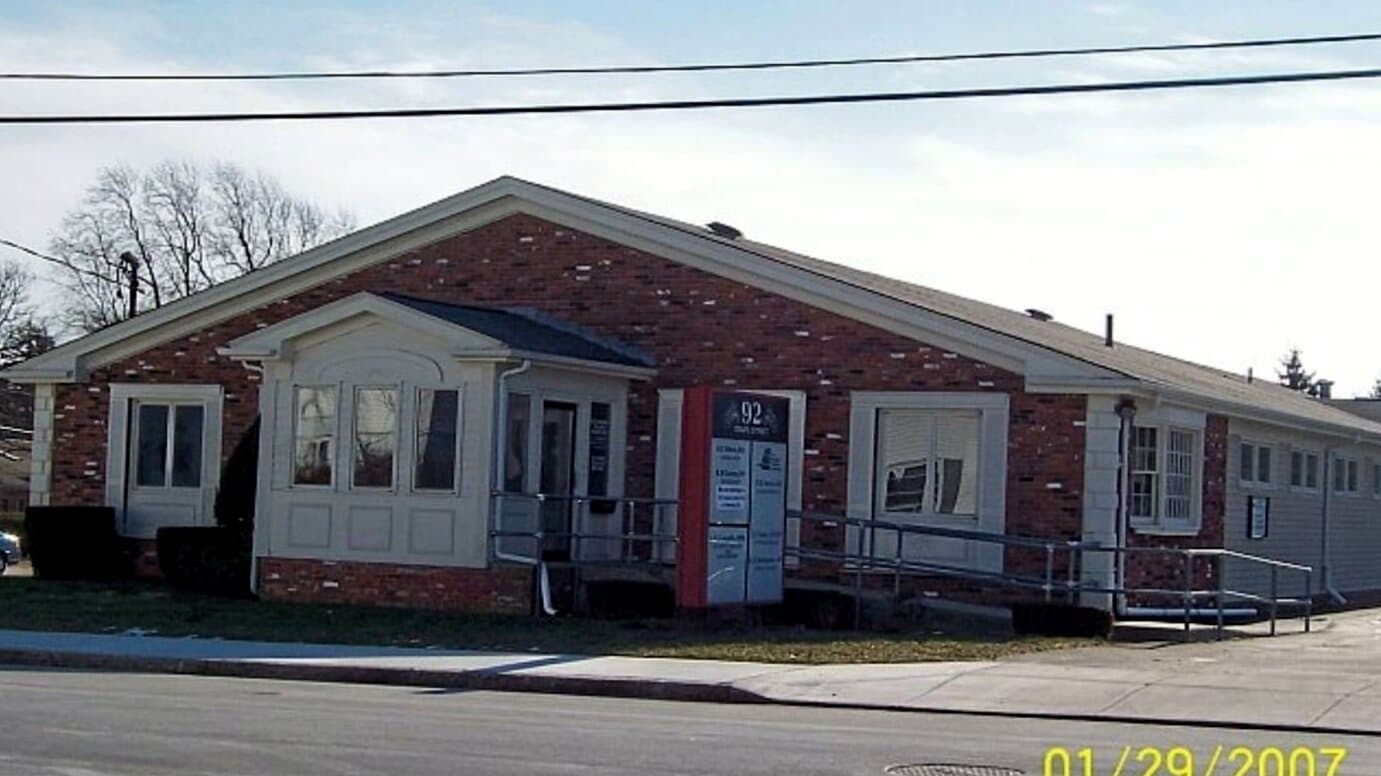
CleanSlate Centers New Bedford
New Bedford, MA
AlcoholMedication-Assisted Treatment

Epiphany Massachusetts Drug and Alcohol Rehab
Southborough, MA
AlcoholDrug Addiction

Foundations Group Recovery Centers
Mashpee, MA
AlcoholDrug Addiction

Greater Boston Addiction Centers
Needham, MA
AlcoholCocaine
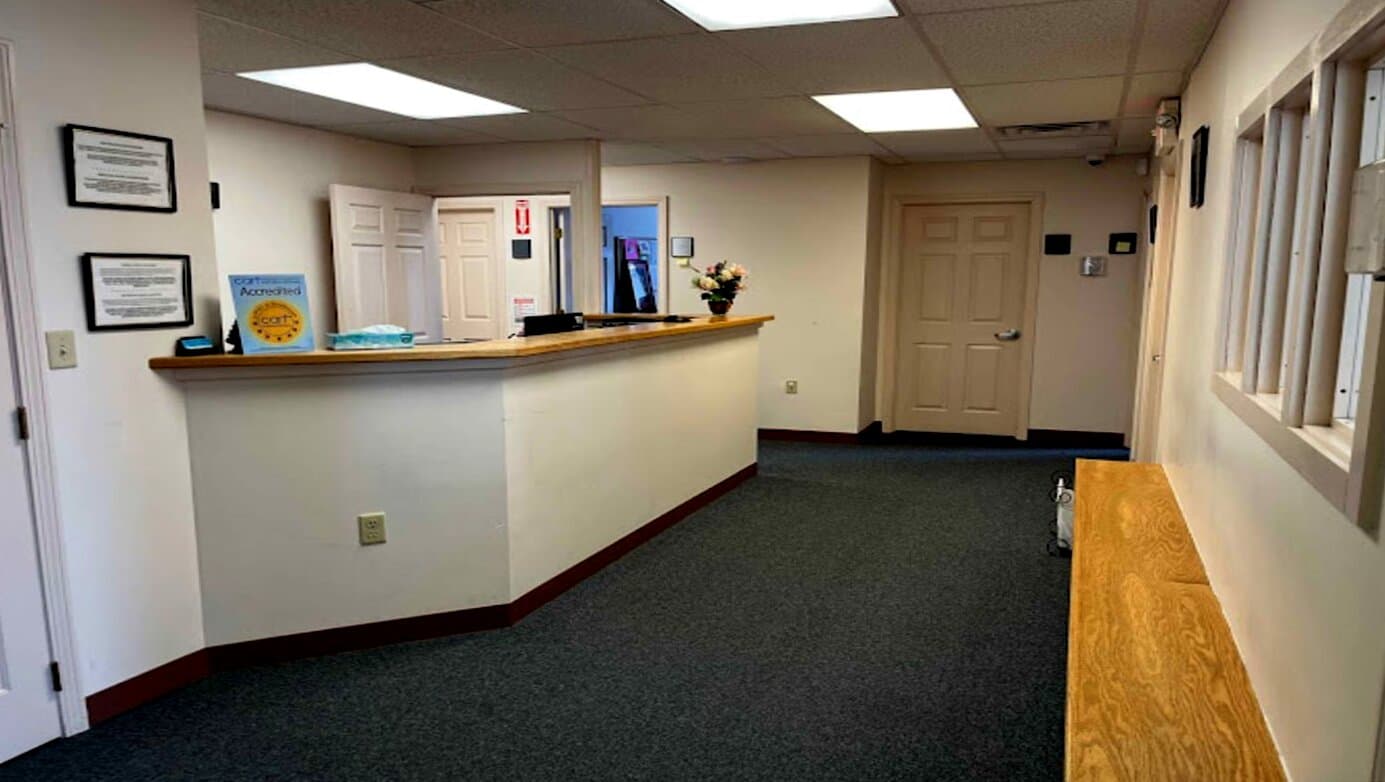
HCRC Chelsea Treatment Center
Chelsea, MA
Co-Occurring DisordersDrug Addiction

HCRC New Bedford Treatment Center
New Bedford, MA
Co-Occurring DisordersDrug Addiction
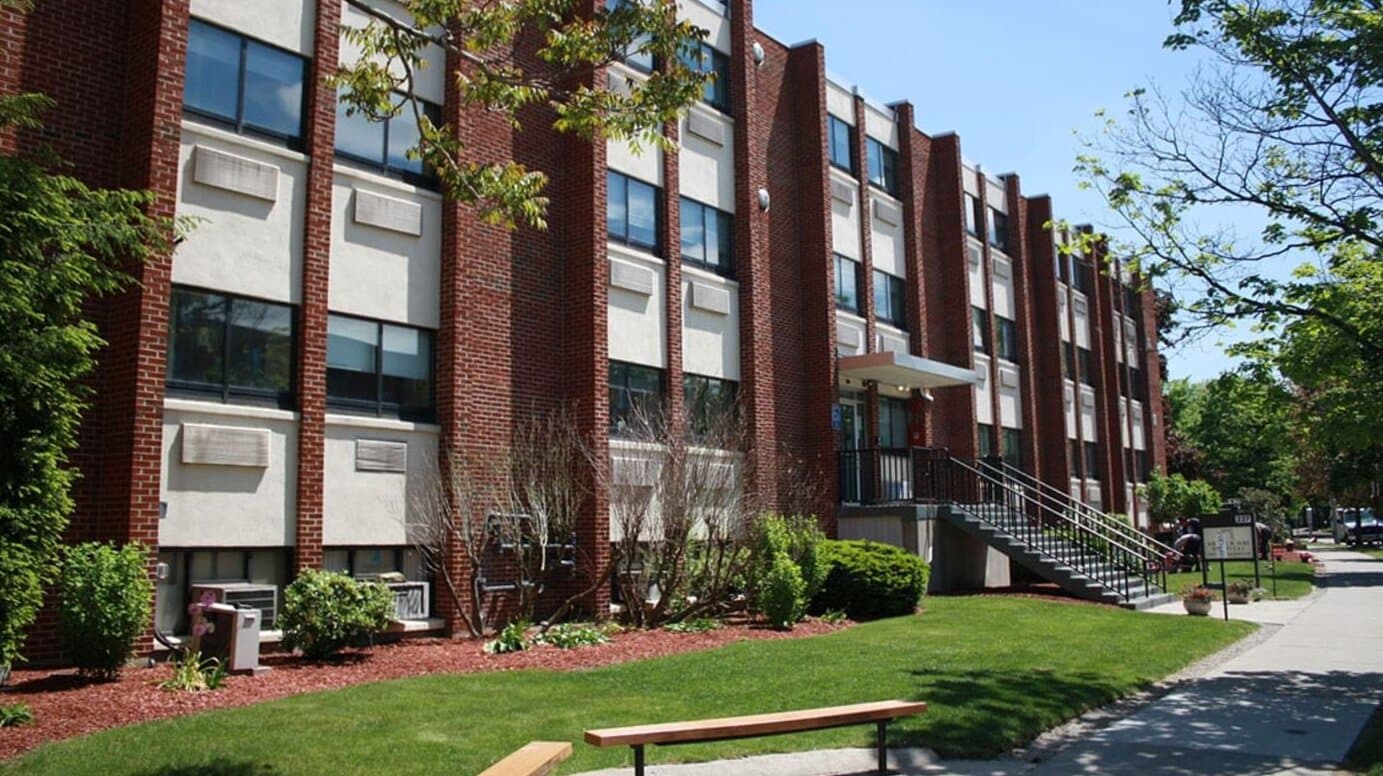
HRI Hospital
Brookline, MA
Co-Occurring DisordersDepression
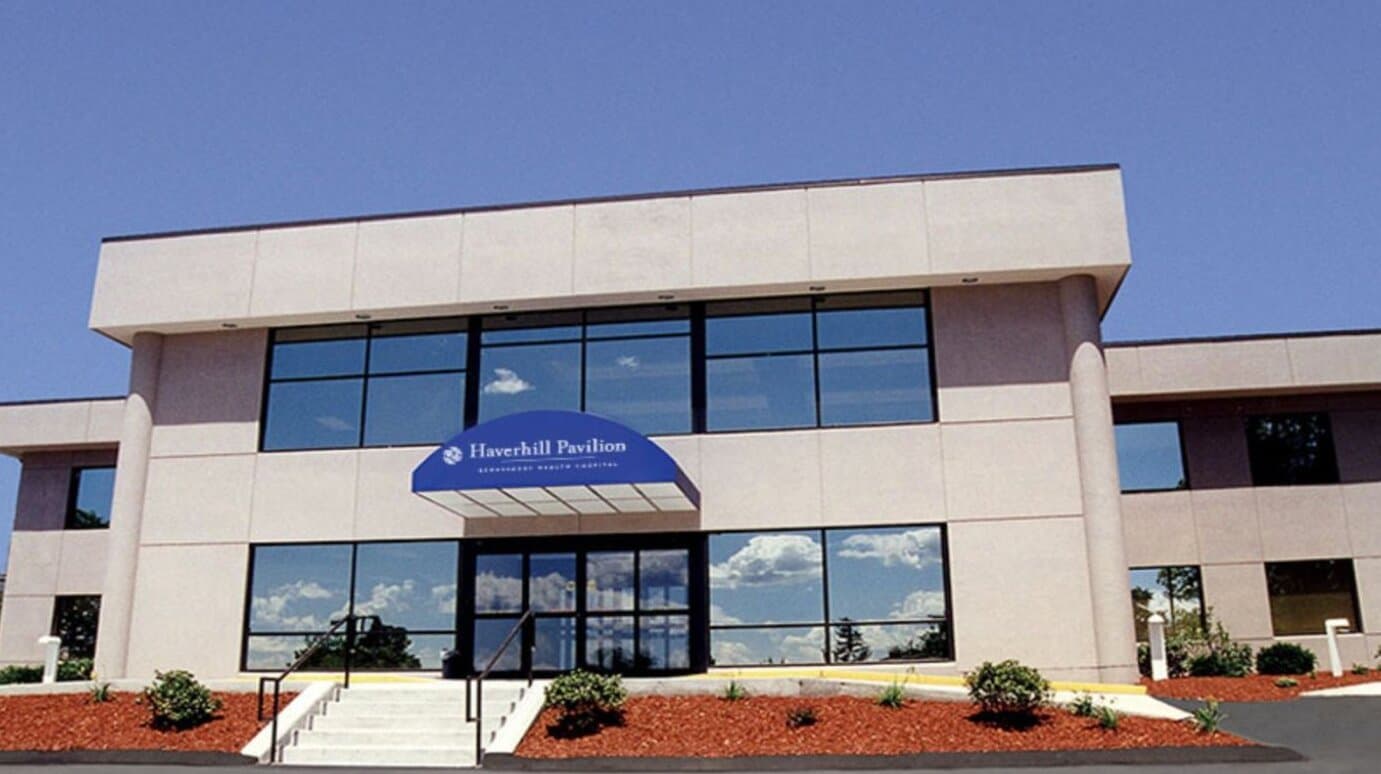
Haverhill Pavilion Behavioral Health Hospital
Haverhill, MA
AnxietyBipolar

Herren Wellness Lincoln Street
Seekonk, MA
AlcoholDrug Addiction

Lightwork Therapy & Recovery
Woburn, MA
AnxietyBurnout
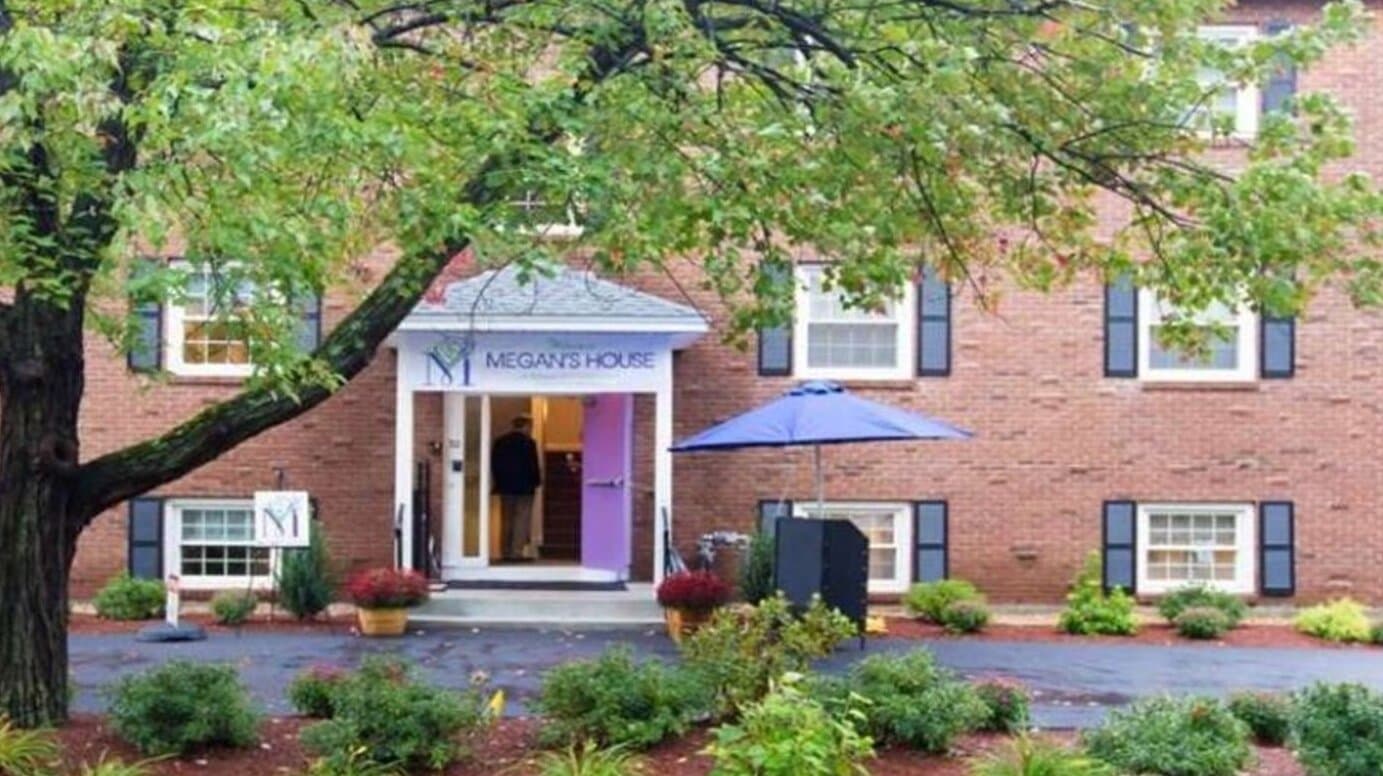
Megan's House
Lowell, MA
AlcoholDrug Addiction
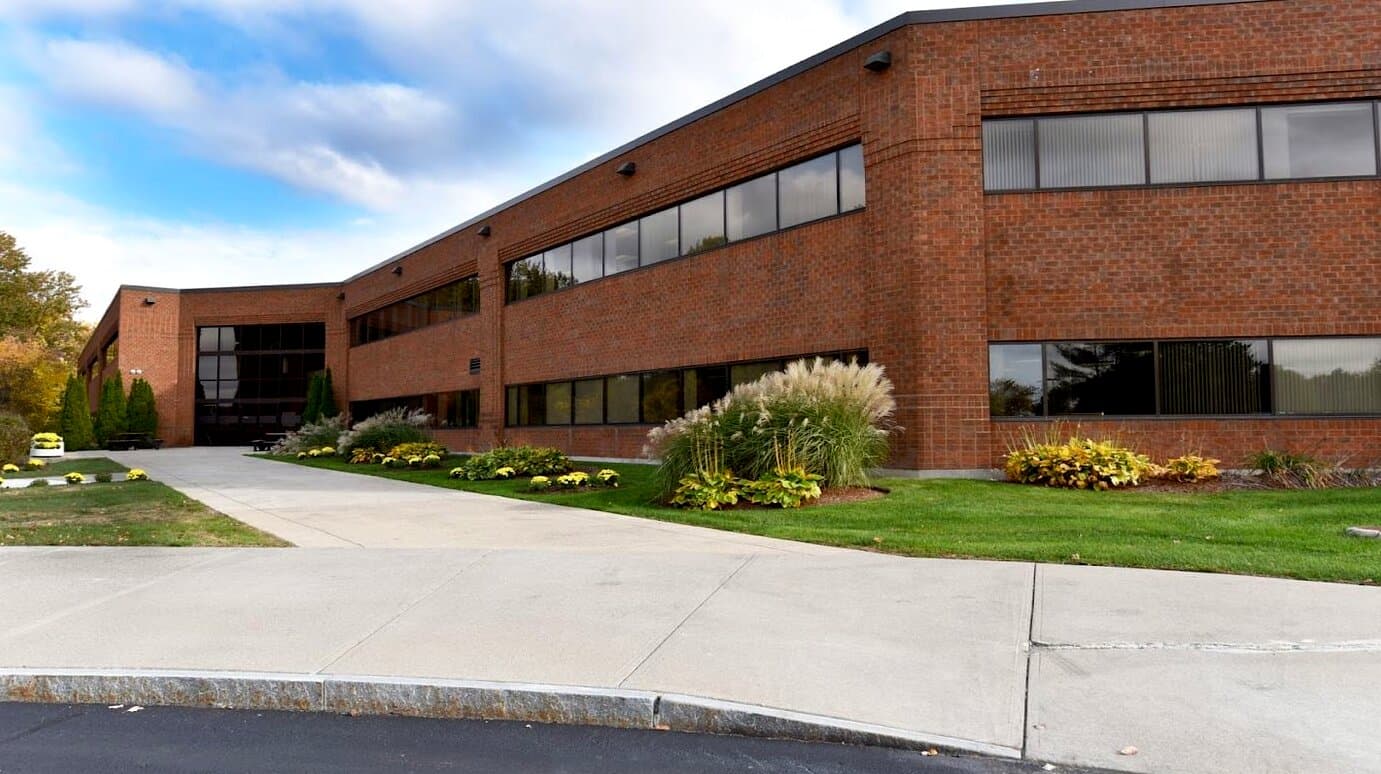
Paramount Recovery Centers
Southborough, MA
Co-Occurring DisordersDrug Addiction

Providence Treatment - Boston
Boston, MA
AlcoholCo-Occurring Disorders

Psyclarity Health Massachusetts
Saugus, MA
AlcoholDrug Addiction
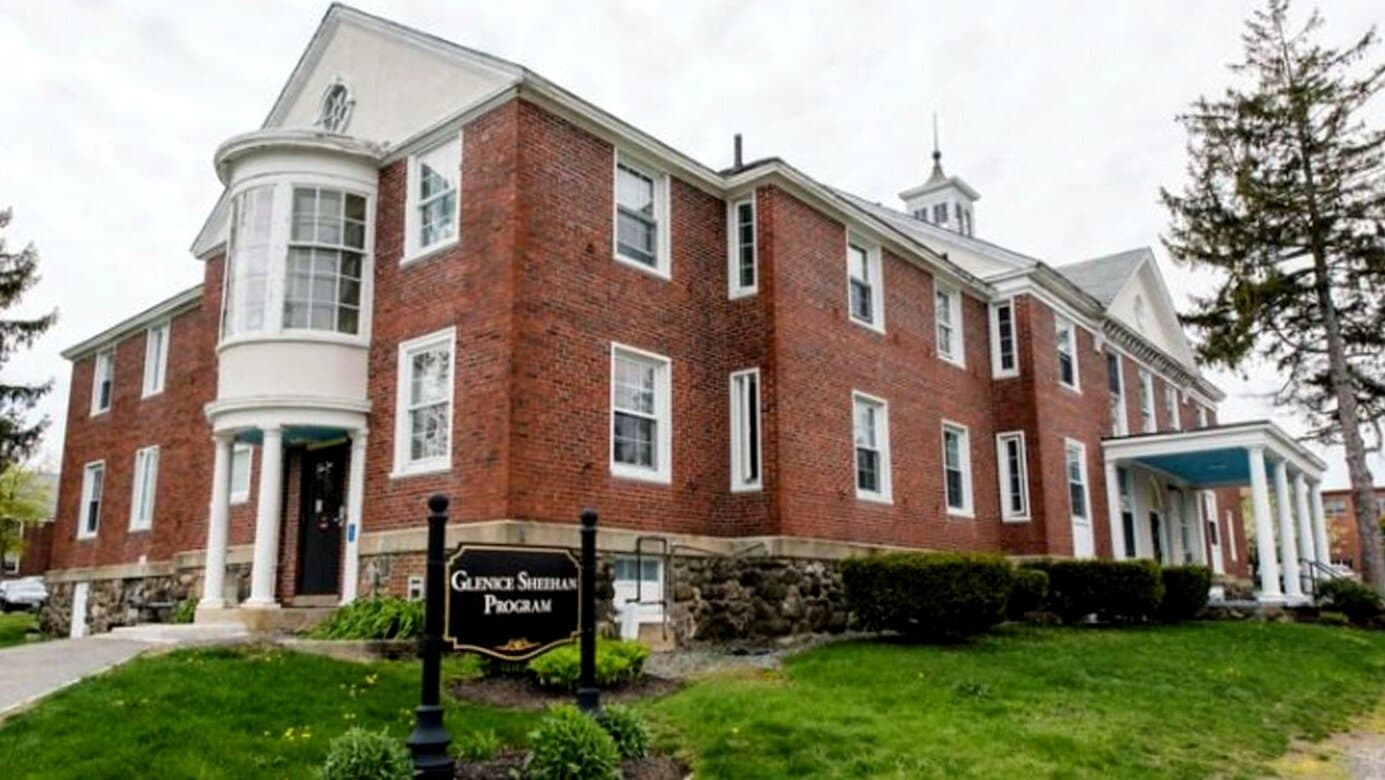
Riverbend Glenice Sheehan Recovery Home for Women
Tewksbury, MA
AlcoholDrug Addiction
Rockland Recovery
Franklin Braintree, MA
AlcoholAnxiety

South Shore Recovery Center
Plymouth, MA
AlcoholCo-Occurring Disorders

Swift River
Cummington, MA
AlcoholCo-Occurring Disorders
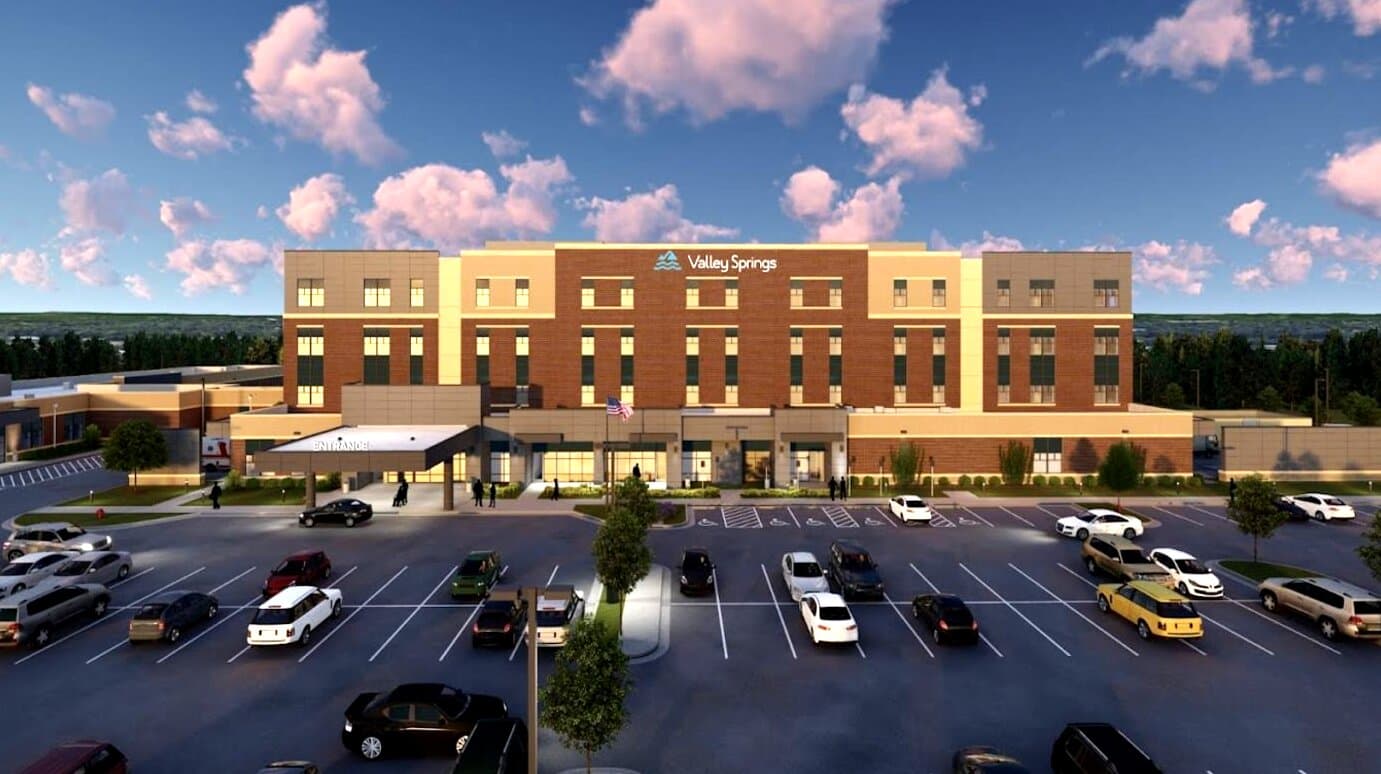
Valley Springs Behavioral Health
Holyoke, MA
AnxietyCognitive Behavioral Therapy

Woburn Addiction Treatment
Cummings Park Woburn, MA
AlcoholCo-Occurring Disorders
What Is Dual Diagnosis Treatment?
Dual diagnosis treatment — also called co-occurring disorder treatment — addresses substance use and a mental health condition at the same time. Depression, anxiety, bipolar disorder, PTSD, and ADHD frequently occur alongside addiction, and each condition can worsen the other.
Treating only the addiction while leaving a mental health condition unmanaged is a common cause of relapse. Dual diagnosis programs combine psychiatric care, addiction treatment, and therapy into one coordinated plan so both conditions improve together.
Massachusetts has been heavily affected by the opioid crisis, with fentanyl driving high overdose death rates despite extensive treatment efforts. Choosing dual diagnosis treatment in Massachusetts keeps treatment close to your support network and connects you with programs familiar with local insurance and resources.
Who Dual Diagnosis Treatment Is Right For
- People living with both addiction and a mental health condition
- Those whose anxiety, depression, or trauma fuels substance use
- Anyone who has relapsed after addiction-only treatment
- Individuals needing psychiatric medication management
- Families seeking coordinated mental health and recovery care
What to Expect
- A comprehensive psychiatric and substance use assessment
- An integrated treatment plan addressing both conditions
- Therapy such as CBT and DBT alongside addiction counseling
- Psychiatric medication management where appropriate
- Aftercare that supports both recovery and mental wellness
Paying for Dual Diagnosis Treatment in Massachusetts
Federal parity law requires most health plans to cover mental health and substance use care comparably, so dual diagnosis treatment is typically covered by private insurance, Medicaid, and Medicare.
Residents of Massachusetts can pay for treatment through private insurance, Medicaid, Medicare, sliding-scale fees, payment plans, or state-funded programs. Cost should never be a barrier to care — call +1 (239) 241-8393 and we will verify your coverage for free.
Other Treatment Options in Massachusetts
Dual Diagnosis Treatment is one level of care along a continuum. Explore other types of addiction treatment available in Massachusetts:
Dual Diagnosis Treatment in Massachusetts: FAQ
What is dual diagnosis treatment?+
Dual diagnosis treatment — also called co-occurring disorder treatment — addresses substance use and a mental health condition at the same time. Depression, anxiety, bipolar disorder, PTSD, and ADHD frequently occur alongside addiction, and each condition can worsen the other.
How do I find dual diagnosis treatment in Massachusetts?+
This page lists 35 facilities offering dual diagnosis treatment in Massachusetts. Compare each center on the conditions it treats, accreditation, and the services it provides, then contact the facility directly — or call our free 24/7 helpline for personalized guidance and insurance verification.
How much does dual diagnosis treatment cost in Massachusetts?+
The cost of dual diagnosis treatment in Massachusetts depends on the program, its length, and the amenities offered. Federal parity law requires most health plans to cover mental health and substance use care comparably, so dual diagnosis treatment is typically covered by private insurance, Medicaid, and Medicare. Many Massachusetts centers also offer payment plans, sliding-scale fees, and scholarships. Call us for a clear cost estimate before you commit.
Does insurance cover dual diagnosis treatment in Massachusetts?+
Yes. Under the Affordable Care Act and federal parity law, most health plans — including private insurance, Massachusetts Medicaid, and Medicare — must cover medically necessary addiction treatment. Coverage depends on your specific plan; we verify benefits for free and confidentially.
Can I travel outside Massachusetts for treatment?+
Yes. Many people choose to attend dual diagnosis treatment in another state for greater privacy, a change of environment, or access to a specialized program. Our helpline can help you compare Massachusetts options with out-of-state centers and coordinate admission either way.
Find Dual Diagnosis Treatment in Massachusetts Today
Our compassionate team is available 24/7 to answer questions about dual diagnosis treatment, verify your insurance, and match you with the right Massachusetts treatment center — free and completely confidential.
In an emergency, call 911. For free, confidential national support, contact SAMHSA's helpline at 1-800-662-4357 or dial 988 for the Suicide & Crisis Lifeline.